
In recent years, the sodium-ion battery has emerged as a promising alternative to lithium-ion systems, driven by the advantages of lower cost, abundant sodium resources, and excellent low-temperature performance. However, the development of high-energy-density sodium-ion batteries, particularly those using layered oxide cathodes, faces significant challenges such as electrolyte decomposition, gas generation during cycling, and safety concerns due to flammable liquid electrolytes. This study focuses on addressing these issues by implementing a gel-electrolyte strategy in soft-package sodium-ion batteries. We explore the electrochemical properties, safety performance, and gas suppression capabilities of gel-electrolyte sodium-ion batteries through comprehensive experiments and analysis. The goal is to provide insights into the practical application of gel electrolytes for enhancing the durability and reliability of sodium-ion battery systems.
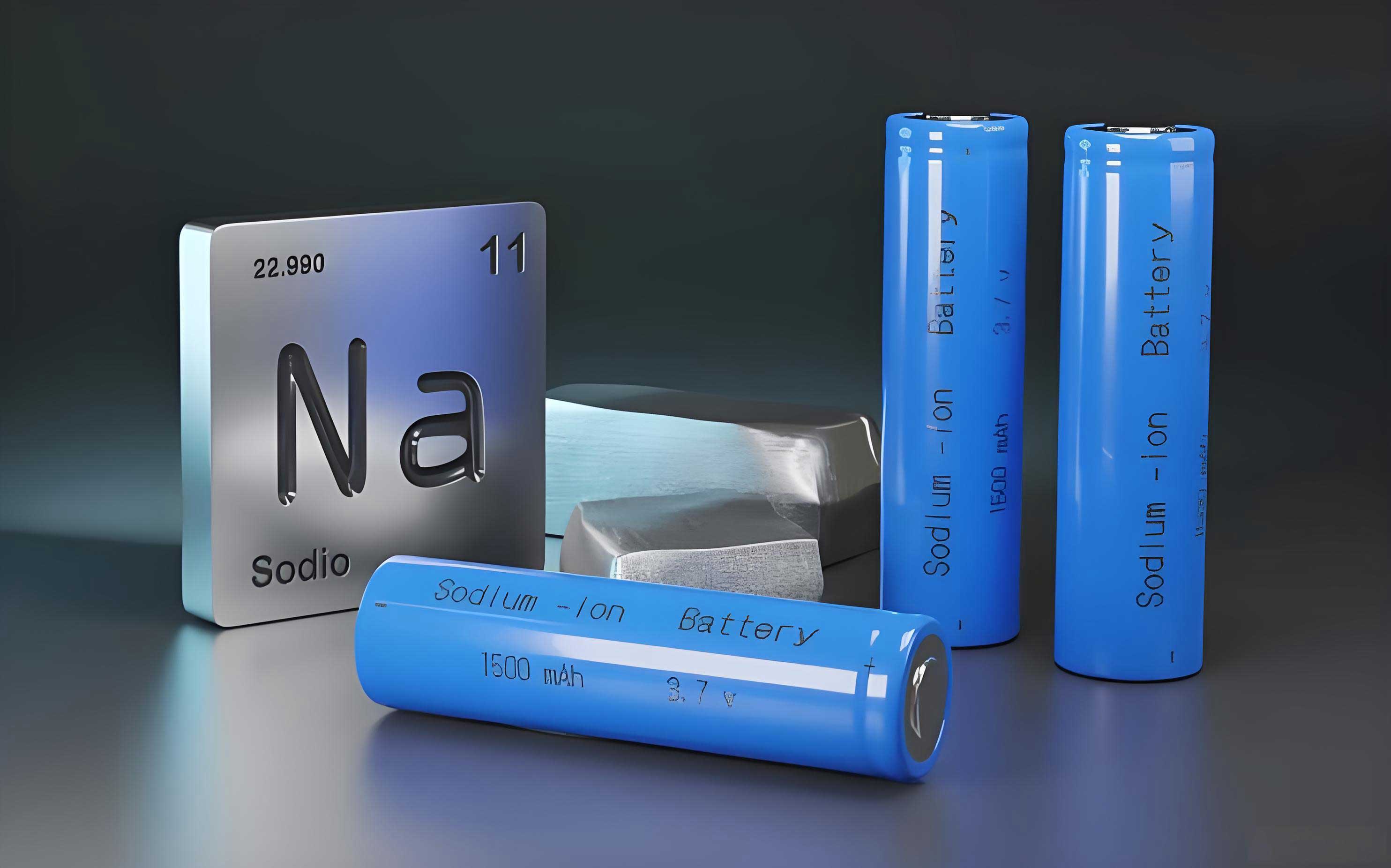
The sodium-ion battery landscape has evolved rapidly, with layered oxide cathodes being a primary focus due to their similarity in manufacturing processes to lithium-ion battery cathodes. These materials, such as NaNi1/3Fe1/3Mn1/3O2, offer high specific capacities and energy densities but suffer from high residual alkalinity and instability at high voltages, leading to oxidative decomposition of electrolytes and gas evolution in cells. This gas generation, primarily consisting of carbon dioxide and carbon monoxide, can cause swelling in soft-package sodium-ion batteries, reducing cycle life and safety. To mitigate these problems, polymer gel electrolytes have been proposed as a viable solution, combining the ionic conductivity of liquid electrolytes with the mechanical stability and safety of solids. In this work, we investigate an in-situ polymerized gel electrolyte based on 1,5-pentanediol diacrylate for soft-package sodium-ion batteries, evaluating its impact on electrochemical performance, gas suppression, and safety enhancements.
Our approach involves the preparation of a gel electrolyte by dissolving a monomer and initiator in a conventional liquid electrolyte, followed by in-situ polymerization within the battery cell. This method ensures good electrode-electrolyte interface contact and compatibility with existing manufacturing processes. We characterize the gel electrolyte’s ionic conductivity, thermal stability, and mechanical properties, and compare its performance with that of a baseline liquid electrolyte in soft-package sodium-ion batteries. Key metrics include cycle life, rate capability, expansion rate during cycling, and safety under abuse conditions. By integrating tables and formulas, we summarize the data to highlight the advantages of gel-electrolyte sodium-ion batteries. The findings demonstrate that gel electrolytes significantly inhibit gas production, improve cycle stability, and enhance safety, paving the way for broader adoption of sodium-ion battery technology.
The experimental section details the materials and methods used. We prepared the gel electrolyte by mixing 5 wt% 1,5-pentanediol diacrylate monomer and 0.1 wt% azobisisobutyronitrile (AIBN) initiator into a baseline electrolyte consisting of 1 M NaPF6 in EC/DEC/DMC (1:1:1 by volume) with 3% FEC and 1% VC additives. The mixture was stirred for 30 minutes and then injected into pre-dried soft-package sodium-ion batteries with a capacity design of 1.0 Ah. The cells were sealed and subjected to heat treatment at 80°C for 12 hours to initiate polymerization, forming a gel matrix. For comparison, control cells were assembled using the baseline liquid electrolyte without gelation. The cathode material was a layered oxide (NaNi1/3Fe1/3Mn1/3O2) with a mass loading of 15 mg/cm2, and the anode was hard carbon with a mass loading of 8 mg/cm2. Cells were cycled between 1.50 V and 3.95 V at various rates, and measurements included electrochemical impedance spectroscopy (EIS), thermogravimetric analysis (TGA), infrared spectroscopy (IR), and gas chromatography.
The ionic conductivity of the gel electrolyte is a critical parameter for sodium-ion battery performance. We measured the conductivity using EIS on cylindrical gel samples with a diameter of 12 mm and height of 20 mm. The resistance was obtained from the high-frequency intercept of the Nyquist plot, and conductivity was calculated using the formula:
$$ \sigma = \frac{L}{R S} $$
where \(\sigma\) is the conductivity in mS/cm, \(L\) is the thickness in cm, \(R\) is the resistance in Ω, and \(S\) is the cross-sectional area in cm2. For the baseline electrolyte, the conductivity was 6.78 mS/cm, while the gel electrolyte showed a conductivity of 4.41 mS/cm, approximately 65.0% of the baseline value. This reduction is attributed to the polymer network hindering ion transport, but it remains sufficient for practical applications in sodium-ion batteries. The EIS data were fitted with an equivalent circuit model comprising series resistance (\(R_s\)), charge-transfer resistance (\(R_{ct}\)), double-layer capacitance (\(C_d\)), and Warburg impedance (\(Z_w\)). The results are summarized in Table 1, highlighting the impedance components for both electrolytes.
| Electrolyte Type | \(R_s\) (Ω) | \(R_{ct}\) (Ω) | Conductivity (mS/cm) |
|---|---|---|---|
| Baseline Electrolyte | 281 | 45 | 6.78 |
| Gel Electrolyte | 387 | 52 | 4.41 |
Thermal stability is essential for the safety of sodium-ion batteries. We performed TGA on both electrolytes to assess their weight loss behavior from room temperature to 600°C. The gel electrolyte exhibited improved thermal stability, with the onset of decomposition delayed by about 20°C compared to the baseline electrolyte. At 100°C, the gel electrolyte retained 80% of its mass, while the baseline electrolyte retained only 65%. The residual mass at 500°C was 8.2% for the gel electrolyte and 5.0% for the baseline, indicating that polymerization enhances thermal resistance. This can be attributed to the cross-linked polymer matrix restricting the volatility of liquid components. The TGA curves are analyzed using the derivative thermogravimetry (DTG) peak temperatures, as shown in Table 2, which lists key thermal degradation parameters.
| Sample | Onset Temp. (°C) | Mass Loss at 100°C (%) | Residual at 500°C (%) |
|---|---|---|---|
| Baseline Electrolyte | 70 | 35 | 5.0 |
| Gel Electrolyte | 90 | 20 | 8.2 |
Infrared spectroscopy confirmed the complete polymerization of the monomer in the gel electrolyte. The IR spectrum of the gel electrolyte showed no peaks corresponding to the C=C stretching vibration at 1630 cm-1 or other monomer-specific bands, indicating full conversion to polymer. The spectra of the gel electrolyte and baseline electrolyte were nearly identical except for the absence of monomer peaks, confirming that the polymerization process did not alter the chemical composition of the electrolyte salts or solvents. This is crucial for maintaining the electrochemical compatibility of the sodium-ion battery system.
The electrochemical performance of gel-electrolyte sodium-ion batteries was evaluated through cycling tests at a 1C rate (1C = 1.0 A). The discharge capacity and cycle stability were comparable to those of baseline cells, with the gel-electrolyte sodium-ion battery exhibiting a capacity retention of 97.7% after 300 cycles, slightly higher than the 97.3% of the baseline. The charge-discharge curves overlapped closely, indicating that gelation did not impair the fundamental redox reactions. However, the most significant improvement was in gas suppression. The expansion rate of the soft-package sodium-ion battery was measured as a function of cycle number using the formula:
$$ \text{Expansion Rate} = \frac{H_x}{H_1} \times 100\% $$
where \(H_1\) is the initial thickness after the first charge, and \(H_x\) is the thickness after x cycles. The results, presented in Table 3, show that the gel-electrolyte sodium-ion battery had an expansion rate of only 1.15% after 300 cycles, compared to 10.06% for the baseline. This dramatic reduction is attributed to the gel electrolyte forming a protective layer on electrode surfaces, minimizing electrolyte decomposition and gas evolution. Gas analysis of cycled cells revealed that the primary gases were CO2 (79.5%) and CO (17.8%), which are products of electrolyte oxidation at the cathode. By limiting electrode-electrolyte contact, the gel electrolyte effectively suppresses these side reactions.
| Cycle Number | Baseline Electrolyte Expansion Rate (%) | Gel Electrolyte Expansion Rate (%) |
|---|---|---|
| 50 | 0.25 | 0.53 |
| 100 | 0.99 | 0.82 |
| 150 | 3.77 | 1.02 |
| 200 | 5.17 | 1.04 |
| 300 | 10.06 | 1.15 |
Rate capability tests from 0.2C to 10C demonstrated that the gel-electrolyte sodium-ion battery performs similarly to the baseline at moderate rates, with a discharge capacity retention of 92.5% at 3C. However, at higher rates (e.g., 10C), the gel electrolyte showed lower capacity due to its higher internal resistance. This trade-off between conductivity and stability is common in polymer-based electrolytes, but for most applications of sodium-ion batteries, the rate performance is adequate. The capacity retention at various rates is summarized in Table 4, using the formula for capacity retention:
$$ \text{Capacity Retention} = \frac{C_{\text{rate}}}{C_{0.2C}} \times 100\% $$
where \(C_{\text{rate}}\) is the discharge capacity at a given rate, and \(C_{0.2C}\) is the capacity at 0.2C.
| Rate | Baseline Electrolyte Capacity Retention (%) | Gel Electrolyte Capacity Retention (%) |
|---|---|---|
| 0.2C | 100.0 | 100.0 |
| 1C | 98.5 | 98.2 |
| 3C | 94.0 | 92.5 |
| 5C | 88.3 | 85.1 |
| 10C | 80.7 | 75.4 |
Safety tests, including nail penetration, were conducted on fully charged sodium-ion batteries. The gel-electrolyte sodium-ion battery exhibited a slower temperature rise and a lower peak temperature (107°C) compared to the baseline (116°C), and it cooled more rapidly after the test. This improved safety profile is due to the gel matrix reducing electrolyte flammability and preventing leakage. The temperature change during nail penetration can be modeled using a heat transfer equation:
$$ \frac{dT}{dt} = \frac{P – hA(T – T_{\text{ambient}})}{mC_p} $$
where \(T\) is temperature, \(t\) is time, \(P\) is heat generation power, \(h\) is heat transfer coefficient, \(A\) is surface area, \(T_{\text{ambient}}\) is ambient temperature, \(m\) is mass, and \(C_p\) is specific heat capacity. The gel electrolyte’s higher thermal mass and reduced reactivity contribute to better heat dissipation, enhancing the safety of sodium-ion batteries.
First-cycle coulombic efficiency (ICE) was also improved in the gel-electrolyte sodium-ion battery, with an ICE of 85.3% versus 82.0% for the baseline. This increase is attributed to the formation of more stable solid electrolyte interphase (SEI) and cathode electrolyte interphase (CEI) layers due to the gel’s uniform coating on electrodes. The ICE is calculated as:
$$ \text{ICE} = \frac{\text{Discharge Capacity}}{\text{Charge Capacity}} \times 100\% $$
Scanning electron microscopy (SEM) images of cathode surfaces after cycling revealed a denser and more uniform morphology in the gel-electrolyte cells, indicating less electrode degradation and better interface stability. This aligns with the observed gas suppression and cycle life improvements. Overall, the gel electrolyte acts as a physical barrier, limiting parasitic reactions that lead to gas evolution and capacity fade in sodium-ion batteries.
In conclusion, this study demonstrates that in-situ polymerized gel electrolytes are a highly effective strategy for enhancing the performance and safety of soft-package sodium-ion batteries. By addressing key challenges such as gas generation and thermal instability, gel-electrolyte sodium-ion batteries offer a path toward more durable and reliable energy storage systems. The gel electrolyte reduces expansion during cycling to as low as 1.15% after 300 cycles, maintains excellent cycle stability, and improves safety under abuse conditions. While there is a slight trade-off in ionic conductivity and high-rate performance, the benefits outweigh these limitations for many practical applications. Future work could focus on optimizing the polymer composition to further increase conductivity and exploring other monomer systems for sodium-ion batteries. This research contributes to the growing body of knowledge on advanced electrolytes for next-generation sodium-ion battery technologies, emphasizing the importance of material engineering in achieving sustainable energy solutions.
The potential of gel-electrolyte sodium-ion batteries extends beyond consumer electronics to large-scale energy storage, where safety and longevity are paramount. By integrating gel electrolytes, manufacturers can mitigate the risks associated with liquid electrolytes, such as leakage and combustion, while maintaining high energy density. Further studies should investigate the long-term degradation mechanisms and scale-up production processes for commercial viability. As the demand for sodium-ion batteries grows, innovations in electrolyte design will play a critical role in unlocking their full potential, making them a competitive alternative to lithium-ion systems in various markets. This exploration underscores the value of interdisciplinary approaches in advancing sodium-ion battery technology for a sustainable energy future.