
In the evolving landscape of energy storage technologies, the development of efficient and cost-effective battery systems is paramount. Among the various contenders, sodium-ion batteries have emerged as a promising alternative to lithium-ion and lead-acid batteries, particularly for applications where moderate energy density and low cost are critical. The inherent abundance and uniform distribution of sodium resources, coupled with the potential for using aluminum foil as an anode current collector and better tolerance to over-discharge, position sodium-ion batteries as a viable solution for grid-scale energy storage, low-speed electric vehicles, and backup power systems. However, the commercialization of sodium-ion batteries hinges on the development of high-performance electrode materials. For the anode, hard carbon stands out as the most promising candidate due to its moderate specific capacity, excellent cycling stability, and relatively low cost. A deep understanding of its structure, particularly the pore architecture, is essential for further performance enhancement. In this article, I will delve into the intricate pore structure of hard carbon anodes for sodium-ion batteries, reviewing and analyzing the key characterization techniques that shed light on this critical aspect. The storage mechanism of sodium in hard carbon is intimately linked to its porous nature, making accurate pore characterization a cornerstone for rational material design.
The performance of a sodium-ion battery is heavily influenced by the anode material’s ability to reversibly store sodium ions. Unlike graphite in lithium-ion batteries, which intercalates lithium ions between its ordered layers, graphite is unsuitable for sodium-ion storage due to thermodynamic instability. Hard carbon, a non-graphitizable carbon, has thus become the focal point of research. Its structure is often described by the “house of cards” model, where small, randomly oriented graphene-like domains create a complex network of pores. The sodium storage behavior in hard carbon typically exhibits a two-region profile in voltage-capacity curves: a sloping region above approximately 0.1 V (vs. Na+/Na) and a low-voltage plateau region below 0.1 V. The prevailing hypothesis suggests that the sloping region corresponds to sodium ion adsorption on defect sites, edges, and the surfaces of open pores, while the plateau region is attributed to sodium insertion into graphitic interlayers or, more dominantly, filling of closed pores. This distinction is crucial because the plateau capacity is the primary contributor to the overall energy density. Consequently, characterizing the pore structure—especially the closed pores—is vital for unlocking higher capacities and optimizing the performance of sodium-ion batteries.
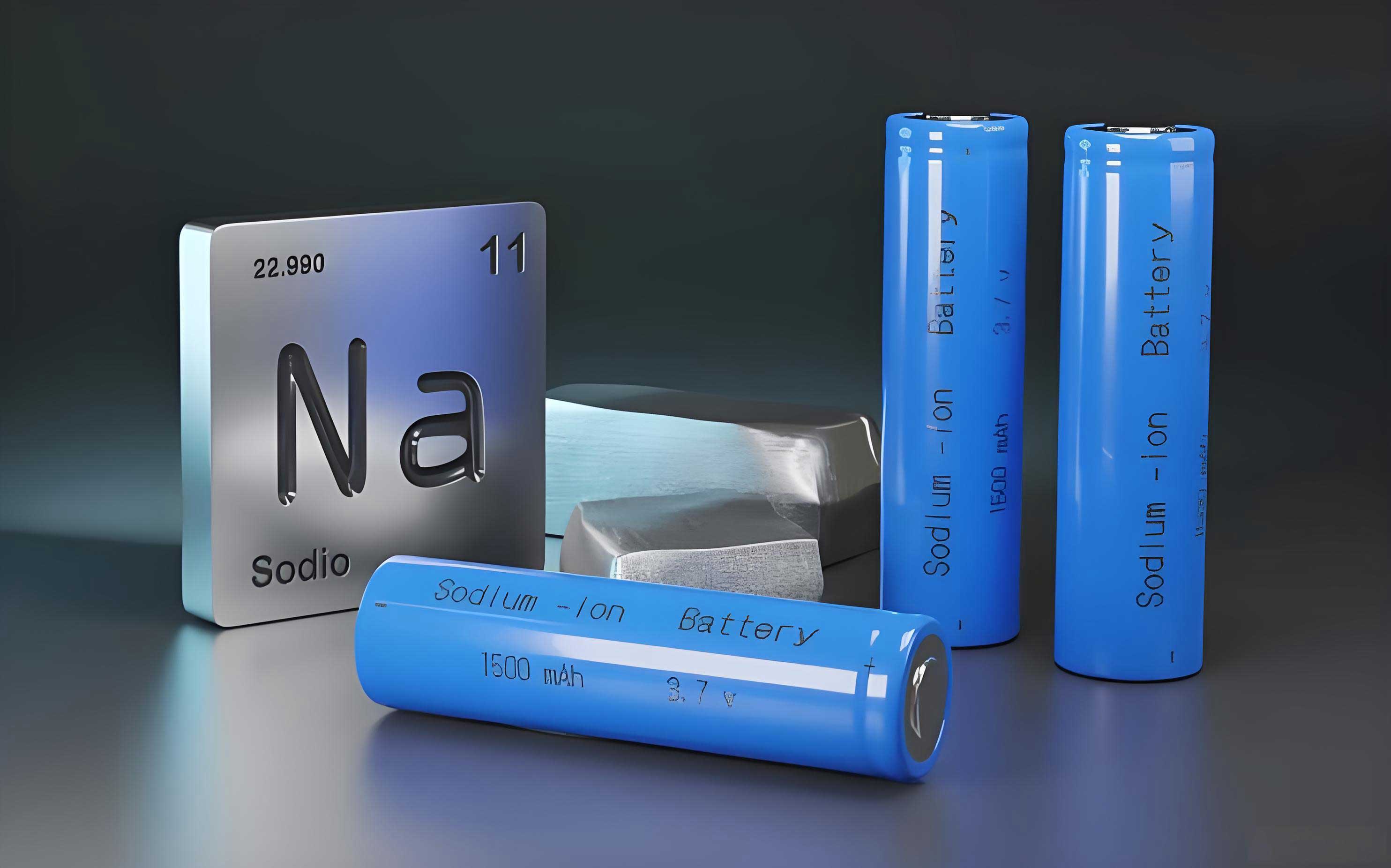
To accurately describe the pore structure, a suite of characterization techniques is employed, each with its own strengths and limitations. No single method provides a complete picture; therefore, a multimodal approach is necessary. In the following sections, I will discuss the fundamental principles, applications, and challenges of key techniques: Transmission Electron Microscopy (TEM), gas adsorption-desorption analysis, X-ray Small-Angle Scattering (SAXS), and helium pycnometry. I will also explore how these methods can be integrated to form a comprehensive understanding of the pore network in hard carbon anodes for sodium-ion batteries. The goal is to provide a detailed guide that aids researchers in selecting and interpreting these techniques to drive the development of advanced hard carbon materials.
The Structural Enigma of Hard Carbon and Sodium Storage Mechanisms
Hard carbon is a complex, disordered material typically produced by the pyrolysis of organic precursors such as biomass, pitch, or resins at temperatures ranging from 800 to 2000 °C. Its structure lacks long-range order but possesses short-range graphitic domains. The “house of cards” model effectively visualizes this: small, curved graphene sheets stack in a disordered manner, creating a multitude of interstices and pores of varying sizes. These pores are generally categorized as open pores (accessible to gases and liquids) and closed pores (isolated from the external surface). The sodium storage capacity of hard carbon in a sodium-ion battery is strongly correlated with this porous architecture. The sloping region in the charge-discharge curve (above ~0.1 V) is often associated with capacitive processes, including sodium ion adsorption on heteroatom sites, defects, and the inner surfaces of accessible pores. This region also involves solid electrolyte interphase (SEI) formation, which contributes to irreversible capacity loss.
The low-voltage plateau region, which provides the majority of the reversible capacity, is the subject of ongoing debate. Two primary mechanisms are proposed: (1) intercalation of sodium ions into the expanded interlayer spaces between turbostratically stacked graphene sheets, and (2) pore filling, where sodium ions or atoms are stored within closed nanopores. Growing evidence supports the pore-filling mechanism as dominant. Studies show that the plateau capacity increases with pyrolysis temperature, which concurrently leads to an increase in closed pore volume and size, as detected by SAXS and helium pycnometry. This correlation suggests that tailoring the closed pore structure is a key strategy for enhancing the performance of hard carbon anodes in sodium-ion batteries. The following equation conceptually represents the total sodium storage capacity ($C_{total}$) as a sum of contributions:
$$C_{total} = C_{sloping} + C_{plateau}$$
where $C_{sloping}$ is linked to surface/defect adsorption and $C_{plateau}$ is linked to pore filling. Accurately characterizing the pores that contribute to $C_{plateau}$ is therefore a central challenge.
Transmission Electron Microscopy (TEM): Direct Imaging at the Nanoscale
Transmission Electron Microscopy offers a direct visual window into the microstructure of hard carbon. By transmitting a beam of electrons through an ultra-thin sample, TEM generates high-resolution images that reveal lattice fringes, crystallite boundaries, and pore-like features. For hard carbon anodes in sodium-ion batteries, TEM is invaluable for observing the local ordering of graphene-like layers and the morphology of pores. High-Resolution TEM (HRTEM) images typically show disordered, short-range graphitic domains. As the pyrolysis temperature increases, these domains become more distinct and locally ordered, eventually forming curved graphitic ribbons. The spaces between these disordered domains appear as dark contrast regions, which can be interpreted as pores.
However, TEM has significant limitations for quantitative pore structure analysis in the context of sodium-ion battery materials. Firstly, it provides only a two-dimensional projection of a very localized area, which may not be representative of the bulk material. Secondly, distinguishing between open and closed pores is challenging based on contrast alone. Thirdly, TEM cannot easily provide statistical data on pore size distribution or total pore volume. It is primarily a qualitative technique that complements other methods. For instance, TEM can confirm the presence of nanopores and the evolution of graphitic order with heat treatment, but it cannot measure the volume fraction of closed pores critical for sodium storage. Therefore, while TEM is essential for initial structural assessment, it must be combined with other techniques for a full understanding of the pore network in hard carbon anodes for sodium-ion batteries.
| Aspect | Advantages | Limitations |
|---|---|---|
| Information Gained | Direct imaging of lattice fringes, crystallite size, pore morphology. | Qualitative; poor statistics for pore size distribution. |
| Scale | Atomic to nanoscale resolution. | Localized analysis (nanometers scale field of view). |
| Pore Type | Can visualize both open and closed pores (as contrast features). | Cannot definitively classify pore accessibility (open vs. closed). |
| Quantification | Limited to estimates from images. | No direct measurement of pore volume or surface area. |
| Sample Preparation | Standard methods (e.g., dispersion, ultramicrotomy). | Can be destructive; may alter or obscure fine pore structure. |
Gas Adsorption-Desorption Analysis: Probing Accessible Porosity
Gas adsorption-desorption isotherms are the most common technique for characterizing the specific surface area, pore volume, and pore size distribution of porous materials. For hard carbon in sodium-ion batteries, this method typically uses nitrogen (N₂) at 77 K as the adsorbate. The analysis is based on the physical adsorption (physisorption) of gas molecules onto the solid surface, with the amount adsorbed at different relative pressures revealing information about the pore structure. The Brunauer-Emmett-Teller (BET) theory is applied to the low-pressure region of the isotherm to calculate the specific surface area. Methods like the Barrett-Joyner-Halenda (BJH) model or Density Functional Theory (DFT) are used to derive pore size distributions from the adsorption and desorption branches.
A critical limitation for hard carbon anodes in sodium-ion batteries is that standard N₂ adsorption at 77 K primarily probes open mesopores (2-50 nm) and macropores (>50 nm). It is less effective for micropores (<2 nm), which are believed to be crucial for sodium storage, due to slow diffusion kinetics and strong interactions with surface functional groups. Furthermore, gas adsorption cannot detect closed pores, as the probe molecules cannot access them. This leads to a significant underestimation of the total porosity relevant to sodium ion storage. To overcome this, researchers use alternative probe gases with smaller kinetic diameters and different interaction potentials. For example, carbon dioxide (CO₂) adsorption at 273 K is better suited for characterizing micropores because its higher temperature facilitates diffusion into narrow pores. Argon (Ar) is also used as it lacks a quadrupole moment, reducing specific interactions. Even gases like hydrogen (H₂) or oxygen (O₂) have been employed to probe ultramicropores. The choice of adsorbate significantly impacts the measured porosity, as summarized in the table below.
| Probe Gas | Kinetic Diameter (nm) | Analysis Temperature | Key Features for Hard Carbon | Primary Pore Range Detected |
|---|---|---|---|---|
| Nitrogen (N₂) | ~0.364 | 77 K | Standard method; strong quadrupole moment interacts with surfaces; slow diffusion in micropores. | Mesopores, some macropores. |
| Argon (Ar) | ~0.340 | 77 K or 87 K | No quadrupole moment; faster equilibrium in micropores than N₂. | Mesopores, improved micropore analysis. |
| Carbon Dioxide (CO₂) | ~0.330 | 273 K (0°C) | Higher temperature aids micropore diffusion; standard for microporosity. | Micropores (< 1 nm). |
| Hydrogen (H₂) | ~0.289 | 77 K | Supercritical state at 77 K; very small size; fast diffusion. | Ultramicropores, closed pores (indirectly). |
The adsorption process can be modeled using various equations. The BET equation for surface area calculation is:
$$\frac{P}{V(P_0 – P)} = \frac{1}{V_m C} + \frac{C-1}{V_m C} \left( \frac{P}{P_0} \right)$$
where $P$ is the equilibrium pressure, $P_0$ is the saturation pressure, $V$ is the adsorbed volume, $V_m$ is the monolayer capacity, and $C$ is a constant related to the heat of adsorption. For pore size distribution, the DFT method, which does not assume a pore shape, is often preferred for microporous carbons. Despite these advances, gas adsorption remains blind to closed pores. Therefore, while it is essential for quantifying the open porosity that affects initial coulombic efficiency and SEI formation in sodium-ion batteries, it must be combined with techniques sensitive to closed porosity.
X-ray Small-Angle Scattering (SAXS): A Statistical Probe for Total Porosity
X-ray Small-Angle Scattering is a powerful, non-destructive technique that provides statistical information about nanoscale density fluctuations in a material. In the context of hard carbon anodes for sodium-ion batteries, SAXS is sensitive to electron density contrasts between the carbon matrix and pores (both open and closed). When a collimated X-ray beam passes through the sample, pores scatter X-rays at small angles. The scattering intensity $I(Q)$ as a function of the scattering vector $Q$ contains information about the size, shape, and volume fraction of the pores. The scattering vector is defined as:
$$Q = \frac{4\pi \sin \theta}{\lambda}$$
where $2\theta$ is the scattering angle and $\lambda$ is the X-ray wavelength. For hard carbon, the SAXS profile typically shows a power-law decay at very low $Q$ (from large structures or particles), a shoulder or plateau in the medium $Q$ range (attributed to nanopores), and a background at high $Q$. The key advantage of SAXS for sodium-ion battery research is its ability to detect closed pores, as the scattering contrast exists regardless of pore accessibility. By analyzing the SAXS data, one can estimate the average pore size, pore size distribution (with model assumptions), and total pore volume fraction.
Several models are used to fit SAXS data from hard carbon. A common approach decomposes the scattering curve into contributions from different structural levels. One model expresses the intensity as:
$$I(Q) = \frac{A}{Q^n} + \frac{B \xi_1^4}{(1 + \xi_1^2 Q^2)^2} + \frac{C \xi_2^4}{(1 + \xi_2^2 Q^2)^2} + D$$
Here, the first term $\frac{A}{Q^n}$ represents scattering from large-scale structures (e.g., particle shape), with $n$ often around 3-4 for rough surfaces. The second and third terms are Lorentzian-squared functions describing scattering from two populations of pores (e.g., micropores and mesopores). $B$ and $C$ are proportional to the number density of pores, and $\xi_1$ and $\xi_2$ are characteristic length scales related to the pore radii. For spherical pores, the radius $R$ can be estimated as $R = \xi \sqrt{10}$. The constant $D$ is a flat background. The parameters $A$, $B$, $C$, $\xi_1$, $\xi_2$, and $n$ are obtained by fitting the experimental data.
Another model, based on the Guinier approximation, is used for dilute systems of pores: $I(Q) \approx I_0 \exp(-Q^2 R_g^2/3)$, where $I_0$ is related to the number and volume of pores, and $R_g$ is the radius of gyration. For spherical pores, the geometric radius $R = R_g \sqrt{5/3}$. SAXS is particularly powerful for in-situ studies of sodium-ion batteries. During discharge, as sodium ions fill the pores, the electron density contrast decreases, leading to a reduction in scattering intensity from the pores. This provides direct evidence of pore filling as the mechanism for the low-voltage plateau capacity. However, SAXS also has limitations: it provides average information and requires model-dependent analysis to extract pore size distributions. It cannot distinguish between open and closed pores based on the scattering pattern alone, but since open pores are often filled with electrolyte of similar electron density to carbon, their scattering contrast is minimal, making SAXS primarily sensitive to closed pores in an operating battery.
| Parameter | Description | Typical Range for Hard Carbon | Relevance to Sodium-Ion Battery Performance |
|---|---|---|---|
| Average Pore Radius ($R$) | Estimated from characteristic length $\xi$ (e.g., $R = \xi\sqrt{10}$). | 0.5 – 2.0 nm | Larger pores (>0.8 nm) correlate with higher plateau capacity. |
| Pore Volume Fraction ($\phi$) | Proportional to $I_0$ in models; related to total porosity. | 0.1 – 0.3 | Higher closed pore volume increases reversible sodium storage. |
| Specific Surface Area (Total) | Can be estimated from Porod invariant or model fitting. | Varies widely | High surface area may increase sloping capacity and SEI formation. |
| In-situ Intensity Change | Drop in $I(Q)$ from pores during discharge indicates Na⁺ filling. | Observable in plateau region | Direct proof of pore-filling storage mechanism. |
The scattering intensity is fundamentally related to the difference in scattering length density (SLD) between the pore and the matrix: $I(Q) \propto (\Delta \rho)^2$, where $\Delta \rho = \rho_{pore} – \rho_{carbon}$. For empty closed pores, $\rho_{pore} \approx 0$, leading to high contrast. When sodium fills the pore, $\rho_{pore}$ increases, reducing $\Delta \rho$ and thus $I(Q)$. This principle underpins the in-situ SAXS experiments that have greatly advanced the understanding of sodium storage in hard carbon anodes for sodium-ion batteries.
Helium Pycnometry: Measuring True Density and Closed Pore Volume
Helium pycnometry is a straightforward but crucial technique for determining the true (skeletal) density of a solid material. It operates on the principle of gas displacement using helium, which, due to its small atomic size (kinetic diameter ~0.26 nm), can penetrate almost all open pores and even some constricted micropores to access the solid skeleton. The measured true density ($\rho_{true}$) is the mass of the sample divided by the volume occupied by its solid matrix alone, excluding the volume of both open and closed pores. For carbon materials, the theoretical density of perfect graphite is 2.26 g/cm³. Any deviation of the measured $\rho_{true}$ from this value indicates the presence of porosity within the material.
For hard carbon anodes in sodium-ion batteries, helium pycnometry is used in conjunction with other density measurements (e.g., geometric or bulk density) to calculate the total pore volume and, more specifically, to estimate the closed pore volume. Since helium can access open pores, the true density reflects only the solid volume. The total specific pore volume ($V_{total}$) can be calculated from the geometric density ($\rho_{geom}$) and true density: $V_{total} = 1/\rho_{geom} – 1/\rho_{true}$. However, to isolate the closed pore volume ($V_{closed}$), one assumes that the solid matrix, if it were fully dense, would have the density of graphite. Thus:
$$V_{closed} \approx \frac{1}{\rho_{true}} – \frac{1}{2.26}$$
This equation provides a simple yet effective estimate of the volume fraction occupied by closed pores. This parameter has been shown to correlate strongly with the low-voltage plateau capacity in sodium-ion batteries. As pyrolysis temperature increases, $\rho_{true}$ typically decreases (from ~1.8 g/cm³ to ~1.5 g/cm³ or lower), indicating an increase in closed pore volume, which parallels the increase in plateau capacity. Helium pycnometry is a bulk technique, providing an average value for the entire sample. Its main limitation is that it does not give any information about pore size distribution or pore shape. It also relies on the assumption that helium does not penetrate closed pores, which is generally valid for truly sealed pores. When combined with SAXS, which gives pore size information, and gas adsorption, which gives open pore information, helium pycnometry completes the quantitative picture of porosity. For instance, the total porosity from SAXS can be cross-validated with the helium-based closed pore volume.
Integrated Characterization Strategy: A Multimodal Approach
Given the limitations of any single technique, a comprehensive understanding of the pore structure in hard carbon anodes for sodium-ion batteries necessitates an integrated, multimodal characterization strategy. Each method probes different aspects of the complex pore network. By combining their outputs, researchers can construct a more accurate and complete model of the material. Below is a proposed framework for such an integrated approach.
- Initial Assessment with TEM: Use HRTEM to gain a qualitative understanding of the graphitic domain size, curvature, and the presence of visible nanopores. This guides the hypothesis about the material’s disorder level.
- Quantifying Open Porosity with Gas Adsorption: Perform N₂ adsorption at 77 K to obtain BET surface area and mesopore size distribution. Complement this with CO₂ adsorption at 273 K to quantify microporosity (< 1 nm). This data informs about the surface available for SEI formation and the sloping capacity region.
- Probing Total Nanoporosity with SAXS: Conduct ex-situ SAXS to obtain statistical data on the size and volume fraction of nanopores (primarily closed pores). Fit the data using appropriate models (e.g., the combined power-law and Lorentzian model) to extract average pore radius and pore volume fraction.
- Measuring Closed Pore Volume with Helium Pycnometry: Determine the true density to calculate the closed pore volume using the graphite reference density. This provides a bulk quantitative measure of the porosity most relevant to the plateau capacity.
- In-situ/Operando Correlations: Perform in-situ SAXS or other operando techniques (like XRD or Raman) during electrochemical cycling of a sodium-ion battery. This directly links the evolution of pore structure (e.g., filling of pores) with the electrochemical signature (plateau region), providing mechanistic proof.
- Data Reconciliation and Modeling: Cross-validate results. For example, the total pore volume from SAXS (which includes both open and closed) should be consistent with the sum of open pore volume from gas adsorption and closed pore volume from pycnometry. Discrepancies can indicate limitations in models or assumptions.
The synergy of these techniques can be summarized in the following equation, which conceptually balances the pore volume contributions:
$$V_{total, SAXS} \approx V_{open, gas} + V_{closed, He}$$
Where $V_{total, SAXS}$ is the total nanopore volume fraction obtained from SAXS analysis, $V_{open, gas}$ is the open pore volume from gas adsorption (using the appropriate probe), and $V_{closed, He}$ is the closed pore volume from helium pycnometry. Achieving consistency among these values strengthens the reliability of the pore structure description. This integrated approach is not just academic; it directly informs material design. For instance, if the goal is to increase the plateau capacity for sodium-ion batteries, characterization feedback would guide synthesis towards increasing $V_{closed, He}$ and optimizing the pore size (from SAXS) to be large enough for sodium filling but not so large as to reduce density excessively.
Future Perspectives and Concluding Remarks
The field of characterization for hard carbon anodes in sodium-ion batteries is dynamic and evolving. While the techniques discussed provide a solid foundation, there are several avenues for future development that could yield deeper insights. First, advancements in data analysis algorithms for SAXS and gas adsorption could reduce model dependency and improve the accuracy of pore size distributions, especially in the sub-nanometer range. Machine learning approaches might be employed to find optimal fitting models or to directly predict electrochemical performance from multimodal characterization data. Second, the development of new in-situ or operando techniques is crucial. For example, in-situ TEM with electrochemical cells, though challenging, could visually track sodium ingress into pores at the nanoscale. Neutron scattering techniques, sensitive to light elements like sodium, could complement X-ray SAXS to precisely map sodium distribution within the pore network during cycling. Third, more standardized protocols for using alternative probe gases (like H₂ or O₂) could emerge, providing a clearer picture of ultramicropores. Finally, correlative microscopy—combining, say, TEM with micro-focused SAXS on the same sample region—could bridge the gap between local and statistical structural information.
In conclusion, the performance of hard carbon as an anode material for sodium-ion batteries is intrinsically tied to its complex and hierarchical pore structure. No single characterization technique can unravel this complexity alone. A synergistic combination of Transmission Electron Microscopy for visual inspection, gas adsorption-desorption for open porosity analysis, X-ray Small-Angle Scattering for statistical analysis of total nanoporosity, and helium pycnometry for closed pore volume quantification forms a powerful toolkit. This multimodal approach, especially when coupled with in-situ electrochemical studies, is essential for validating storage mechanisms, establishing structure-property relationships, and guiding the rational design of next-generation hard carbon materials. As research progresses, the refinement of these methods and the adoption of new ones will continue to push the boundaries of our understanding, ultimately accelerating the development of high-performance, cost-effective sodium-ion batteries for large-scale energy storage applications. The journey to optimize hard carbon anodes is a testament to the importance of fundamental materials characterization in advancing sustainable battery technologies.