
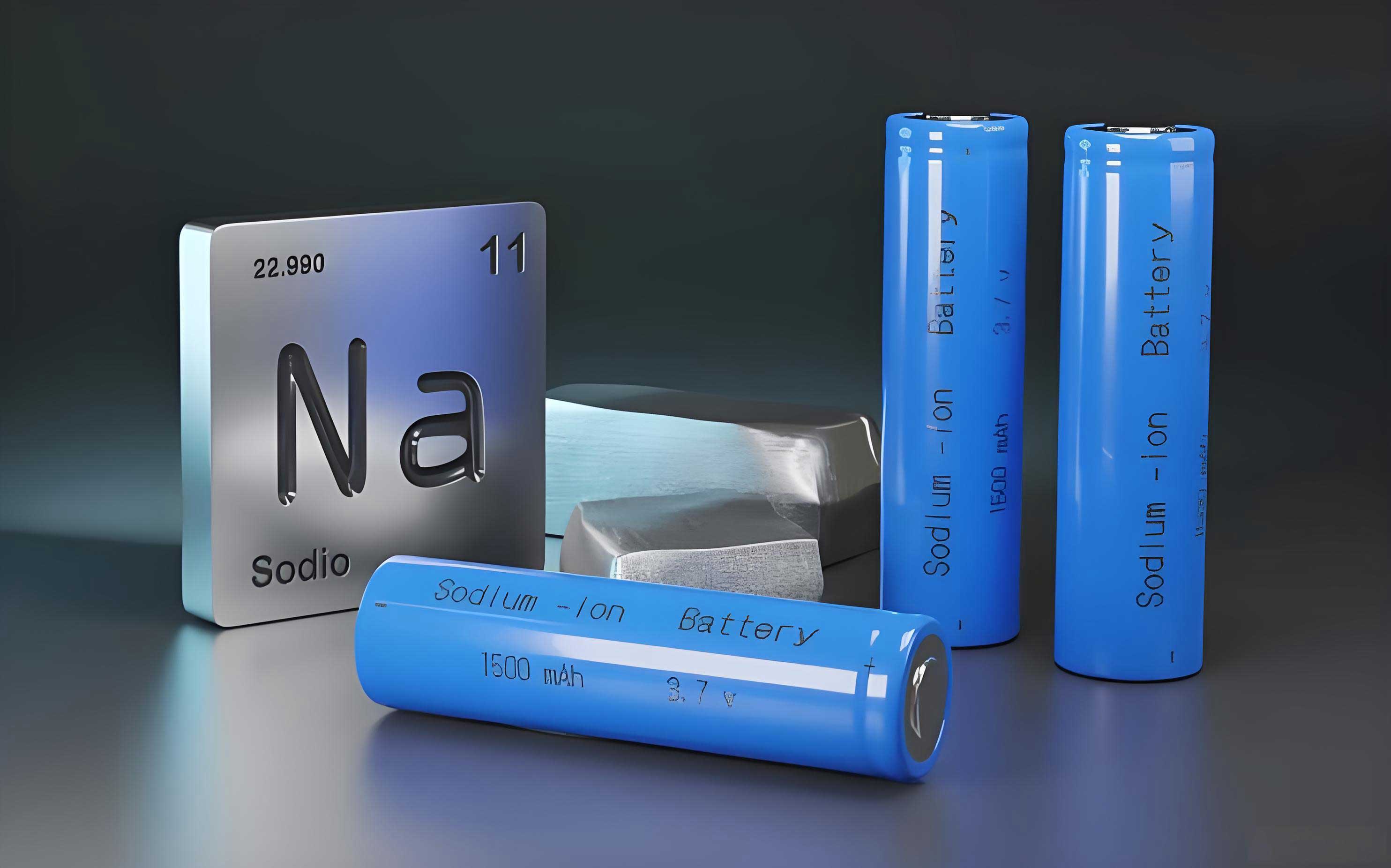
The accelerating global transition towards renewable energy sources and the exponential growth of the electric vehicle market have placed unprecedented demands on advanced, cost-effective, and high-performance energy storage technologies. Among the various contenders, the sodium-ion battery has emerged as a highly promising successor to the ubiquitous lithium-ion battery, primarily due to the natural abundance, widespread geographical distribution, and lower cost of sodium resources. The fundamental operating principle of a sodium-ion battery mirrors that of its lithium-based counterpart, involving the reversible shuttling of sodium ions between a cathode and an anode through an electrolyte, accompanied by compensating electron flow through an external circuit. While sharing a similar “rocking-chair” mechanism, the development of sodium-ion battery technology faces distinct challenges stemming from the larger ionic radius of Na$^+$ (1.02 Å) compared to Li$^+$ (0.76 Å). This size difference often leads to sluggish ion diffusion kinetics, significant volumetric strain during ion insertion/extraction, and lower energy density in many host materials, thereby necessitating the exploration and ingenious design of novel electrode architectures.
The anode material is a critical component that dictates key performance metrics of a sodium-ion battery, including specific capacity, rate capability, cycling stability, and safety. Research efforts have broadly categorized anode materials based on their sodium storage mechanisms: intercalation/de-intercalation (e.g., various carbon allotropes), conversion reaction (e.g., metal oxides, sulfides), and alloying reaction (e.g., Si, Sn, P, Sb). While carbonaceous materials like hard carbon offer good stability, their limited theoretical capacity restricts the energy density of the final battery. Conversion and alloying-type materials typically provide much higher theoretical capacities but suffer from severe volume expansion (often >300%) during sodiation/desodiation, leading to rapid mechanical degradation, electrical contact loss, and continuous solid electrolyte interphase (SEI) film formation, which collectively cause rapid capacity fading.
Within the realm of alloying anodes, bismuth (Bi) has garnered significant attention as a potential high-performance anode for sodium-ion batteries. Bismuth reacts with sodium through a two-step alloying process to form NaBi and finally Na$_3$Bi, corresponding to a high theoretical gravimetric capacity of 385 mAh g$^{-1}$ and an exceptionally high volumetric capacity due to Bi’s high density (~9.8 g cm$^{-3}$). More importantly, bismuth exhibits relatively favorable reaction kinetics with sodium compared to other alloying metals. However, its practical application is still hampered by the aforementioned large volume changes (~250%) and the associated pulverization and instability. A potent and widely adopted strategy to mitigate these issues is nano-structuring and compositing with a conductive carbon matrix. Nanoscale particles can better accommodate mechanical strain, while the carbon backbone enhances electronic conductivity, prevents particle aggregation, and can contribute to overall structural integrity.
In this work, I present a rationally designed bismuth-carbon nanocomposite synthesized via a facile one-step carbonization of a bismuth-based metal-organic framework (MOF) precursor in the presence of graphene. This approach yields uniformly distributed, carbon-coated bismuth nanoparticles (NPs) strongly anchored onto a graphene sheet. The unique interfacial structure, characterized by robust C–O–Bi chemical bonding, plays a pivotal role in achieving exceptional electrochemical performance. The composite anode demonstrates high reversible capacity, remarkable rate capability (retaining significant capacity at ultra-high current densities up to 10 A g$^{-1}$), and outstanding long-term cycling stability. This performance is attributed to a charge storage mechanism dominated by pseudocapacitive behavior, which facilitates rapid sodium-ion kinetics and promotes the formation of a stable SEI. This study provides not only an effective material design strategy but also deepens the understanding of interface engineering in developing durable and high-power anodes for next-generation sodium-ion batteries.
The synthesis of the bismuth-carbon-graphene nanocomposite (denoted as Bi/C-G) involved a coordinated process using bismuth nitrate and 2-methylimidazole in an ethylene glycol solution containing dispersed graphene oxide (GO). The mixture was stirred, centrifuged, washed, and freeze-dried to obtain the Bi-MOF/G precursor. This precursor was subsequently subjected to a thermal treatment at 350 °C for 2 hours under a reducing atmosphere (10% H$_2$/Ar). During this step, the organic ligands from the MOF decomposed to form a uniform carbon coating on the in-situ formed bismuth particles, while the graphene oxide was concurrently reduced. For comparison, pure bismuth material (Bi) was also synthesized following a similar procedure but without the addition of graphene.
The synthesis conditions and key steps are summarized below:
| Step | Reactants/Precursors | Key Process | Atmosphere/Temperature | Target Product |
|---|---|---|---|---|
| 1. Precursor Formation | Bi(NO3)3, 2-Methylimidazole, Graphene Oxide | Stirring, Freeze-drying | Ambient | Bi-MOF/G |
| 2. Carbonization | Bi-MOF/G | Thermal Annealing | 10% H2/Ar, 350°C | Bi/C-G Nanocomposite |
The morphological evolution was characterized by electron microscopy. The Bi-MOF/G precursor exhibited a wavy, porous sheet-like structure. After carbonization, the resulting Bi/C-G composite revealed a well-organized architecture where spherical bismuth nanoparticles, with an average diameter of approximately 40 nm, were densely and uniformly decorated on the graphene sheets. High-resolution transmission electron microscopy confirmed the presence of a thin, continuous amorphous carbon layer (~10 nm thick) encapsulating the crystalline bismuth cores. Lattice fringes corresponding to the (012) plane of rhombohedral bismuth were clearly observable. Elemental mapping further verified the homogeneous distribution of carbon (C), oxygen (O), nitrogen (N), and bismuth (Bi) throughout the composite structure. In contrast, the pure bismuth sample (synthesized without graphene) consisted of large, micron-sized particles with severe agglomeration.
The crystallographic structure was analyzed using X-ray diffraction. The XRD pattern of the Bi/C-G composite showed sharp and distinct diffraction peaks that matched perfectly with the standard pattern for metallic bismuth (JCPDS No. 85-1329), confirming the high crystallinity of the Bi NPs after carbonization. The broad hump in the lower angle region was attributed to the amorphous carbon coating and the graphene support. The porous nature of the composite was assessed by N$_2$ adsorption-desorption isotherms, which displayed a type-IV curve with a distinct hysteresis loop, indicative of a mesoporous structure. The Brunauer–Emmett–Teller surface area was calculated to be 31.2 m$^2$ g$^{-1}$, which is beneficial for electrolyte infiltration and can provide more active sites for electrochemical reactions.
Thermogravimetric analysis conducted in an oxygen atmosphere allowed for the quantification of the components within the Bi/C-G composite. The final residue after heating to 800°C was identified as Bi$_2$O$_3$. Based on the mass change, the weight percentages of metallic bismuth and carbon in the composite were determined to be approximately 58.5% and 41.5%, respectively. The calculation follows from the oxidation reaction:
$$ 4\text{Bi} + 3\text{O}_2 \rightarrow 2\text{Bi}_2\text{O}_3 $$
By knowing the molecular weights and tracking the mass loss corresponding to carbon combustion, the composition can be accurately derived.
X-ray photoelectron spectroscopy provided deep insights into the chemical states and interfacial bonding within the composite. The survey spectrum confirmed the presence of C, O, N, and Bi. The high-resolution C 1s spectrum could be deconvoluted into peaks for C–C/C=C and C–O bonds. The N 1s spectrum revealed several types of nitrogen species, including pyridinic N (N-6), pyrrolic N (N-5), graphitic N (N-Q), and oxidized N (N-O), which were inherited from the nitrogen-containing organic precursor. These nitrogen dopants are known to enhance the electronic conductivity and surface reactivity of the carbon matrix. The Bi 4f spectrum showed doublets at 159.4 eV and 164.7 eV, corresponding to Bi 4f$_{7/2}$ and Bi 4f$_{5/2}$ of metallic Bi, respectively. The most critical finding came from the O 1s spectrum. Compared to the O 1s spectrum of pure graphene, the Bi/C-G composite exhibited a new peak at a binding energy of 531.8 eV. This peak is assigned to the C–O–Bi bond, providing direct evidence of a strong chemical linkage between the carbon matrix (graphene and the carbon coating) and the surface of the bismuth nanoparticles. This robust interfacial bonding is hypothesized to be crucial for maintaining electrical connectivity, facilitating charge transfer, and anchoring the Bi nanoparticles firmly to prevent their detachment during the drastic volume changes in the sodium-ion battery cycling process.
The electrochemical performance of the Bi/C-G composite as an anode for sodium-ion batteries was systematically evaluated using coin cells with sodium metal as the counter electrode. Cyclic voltammetry (CV) curves at a scan rate of 0.1 mV s$^{-1}$ in the voltage window of 0.01–1.8 V vs. Na$^+$/Na revealed two distinct pairs of redox peaks during the initial cycles. In the first cathodic scan, irreversible reduction peaks around 0.63 V and 0.43 V were observed, the latter typically associated with the irreversible formation of the solid electrolyte interphase (SEI). In subsequent cycles, two reversible reduction peaks at approximately 0.63 V and 0.37 V appeared, coupled with two oxidation peaks at about 0.61 V and 0.78 V. These correspond to the stepwise alloying/dealloying reactions between bismuth and sodium:
$$ \text{Bi} + \text{Na}^+ + e^- \rightleftharpoons \text{NaBi} $$
$$ \text{NaBi} + 2\text{Na}^+ + 2e^- \rightleftharpoons \text{Na}_3\text{Bi} $$
The good overlap of the CV profiles from the second cycle onward indicated high reversibility of the electrochemical reactions.
Galvanostatic charge-discharge profiles at a current density of 0.1 A g$^{-1}$ displayed clear voltage plateaus aligning with the CV peaks. The Bi/C-G composite delivered an initial discharge and charge capacity of 497 mAh g$^{-1}$ and 282 mAh g$^{-1}$, respectively, resulting in a first-cycle Coulombic efficiency of 56.7%. The capacity loss is common for alloying anodes and is primarily attributed to SEI formation. Although the pure Bi electrode showed a slightly higher initial reversible capacity of 407 mAh g$^{-1}$, its cycling stability was severely lacking.
The long-term cycling performance starkly highlighted the advantage of the composite design. At 0.1 A g$^{-1}$, the pure Bi electrode suffered from catastrophic failure, with its capacity plummeting to 35 mAh g$^{-1}$ after only 50 cycles, representing a retention of merely 8.6%. In contrast, the Bi/C-G composite retained a capacity of 127 mAh g$^{-1}$ after 50 cycles, corresponding to a much superior retention of 45.0%. The true excellence of the Bi/C-G anode was unveiled in its rate capability and high-current cycling. The composite electrode demonstrated remarkable capacity retention at increasingly high current densities. The average reversible capacities were approximately 285, 235, 195, 169, 150, and 134 mAh g$^{-1}$ at 0.1, 0.2, 0.5, 1, 2, and 5 A g$^{-1}$, respectively. When the current density was returned to 0.1 A g$^{-1}$, a capacity of 232 mAh g$^{-1}$ was recovered, demonstrating good structural resilience. The pure Bi electrode, however, exhibited extremely poor rate performance, with its capacity dropping to 21 mAh g$^{-1}$ at 1 A g$^{-1}$.
| Material | Current Density (A g-1) | Reversible Capacity (mAh g-1) | Capacity Retention (After 50 cycles at 0.1 A g-1) |
|---|---|---|---|
| Pure Bi | 0.1 | 407 | ~8.6% (35 mAh g-1) |
| 1.0 | 21 | ||
| Bi/C-G Composite | 0.1 | 282 | 45.0% (127 mAh g-1) |
| 1.0 | 169 | ||
| 5.0 | 134 |
Even more impressively, the Bi/C-G composite exhibited extraordinary ultra-long cycle life at high rates. At current densities of 1, 2, 5, and 10 A g$^{-1}$, it maintained stable cycling over hundreds to thousands of cycles. Notably, after 1200 cycles at 10 A g$^{-1}$, the electrode retained a high capacity of 146 mAh g$^{-1}$, with a capacity retention of 78.5% from its initial cycle at that rate. This performance surpasses many previously reported bismuth-based and carbon-based anodes for sodium-ion batteries, underscoring its potential for high-power applications.
To understand the origins of this superior performance, especially the outstanding rate capability, a detailed kinetic analysis was performed. CV measurements were conducted at various scan rates (v) from 0.1 to 2 mV s$^{-1}$. The relationship between the peak current (i) and the scan rate can be described by the power-law equation:
$$ i = a v^b $$
where `a` and `b` are adjustable parameters. A `b`-value of 0.5 indicates a diffusion-controlled process (semi-infinite linear diffusion), while a `b`-value of 1.0 signifies a surface-controlled capacitive process. By plotting log(i) versus log(v), the `b`-values for the four major redox peaks of the Bi/C-G electrode were calculated to be between 0.71 and 0.74, all approaching 1. This clearly suggests that the sodium storage behavior in the Bi/C-G composite is predominantly governed by surface-controlled pseudocapacitive processes, which are inherently faster than bulk diffusion-limited reactions.
Furthermore, the current response at a fixed potential can be quantitatively separated into capacitive (k$_1$v) and diffusion-controlled (k$_2$v$^{1/2}$) contributions using the equation:
$$ i(V) = k_1 v + k_2 v^{1/2} $$
By determining k$_1$ and k$_2$, the percentage contribution of each mechanism can be quantified. For the Bi/C-G electrode, the capacitive contribution increased with scan rate, accounting for an impressive 81.1% of the total charge storage at 2 mV s$^{-1}$. In stark contrast, the pure Bi electrode exhibited a much lower capacitive contribution of 64% at the same scan rate, indicating its process was more limited by slow solid-state diffusion. This shift towards pseudocapacitive dominance in the composite is a key factor enabling its high-rate performance. The pseudocapacitive behavior likely stems from the nanoscale size of the Bi particles, the highly conductive and accessible carbon-graphene network, and the abundant surface defects/functional groups, all of which facilitate rapid faradaic reactions at or near the surface with minimal ionic diffusion limitations.
The sodium-ion diffusion coefficient (D$_{Na^+}$) can be estimated from the low-frequency region of electrochemical impedance spectra (EIS) or from the scan rate dependence of CV peaks using the Randles-Sevcik equation for a diffusion-controlled process:
$$ i_p = (2.69 \times 10^5) n^{3/2} A D^{1/2} C v^{1/2} $$
where i$_p$ is the peak current, n is the number of electrons transferred, A is the electrode area, D is the diffusion coefficient, C is the concentration of Na$^+$, and v is the scan rate. Although the process is not purely diffusion-controlled, linear fits of i$_p$ versus v$^{1/2}$ still provide comparative diffusion kinetics. The apparent diffusion coefficients for the Bi/C-G composite were on the order of 10$^{-8}$ cm$^2$ s$^{-1}$, which is significantly higher than that of many reported anode materials like hard carbon (10$^{-9}$ cm$^2$ s$^{-1}$) or SnO$_2$ (10$^{-16}$ cm$^2$ s$^{-1}$).
EIS analysis before and after cycling provided additional insights. The Nyquist plots typically consist of a depressed semicircle in the high-medium frequency region (associated with the SEI film resistance and charge transfer resistance) and a sloping line in the low-frequency region (related to sodium-ion diffusion). The charge transfer resistance (R$_{ct}$) of the Bi/C-G electrode was significantly lower than that of the pure Bi electrode and showed a decreasing trend upon cycling at high rates, indicating improved interfacial charge transfer kinetics and activation of the material. Meanwhile, the SEI film resistance (R$_f$) remained relatively stable over long-term cycling, suggesting the formation of a robust and protective interface layer, which is essential for the stable cycling of a sodium-ion battery.
The exceptional electrochemical properties of the Bi/C-G nanocomposite can be attributed to its synergistic architectural and interfacial design:
1. **Nano-engineering**: The in-situ formed Bi nanoparticles (~40 nm) shorten the diffusion path length for both Na$^+$ ions and electrons, and their small size better accommodates mechanical strain from volume changes.
2. **Conductive Carbon Network**: The dual carbon matrix comprising the amorphous carbon coating and the underlying graphene sheet creates a highly conductive 3D network. This ensures rapid electron transport to and from every active Bi nanoparticle, which is crucial for high-rate performance.
3. **Strong Interfacial Bonding (C–O–Bi)**: This is arguably the most critical feature. The chemically bonded interface, as evidenced by XPS, ensures intimate and stable electrical contact between the Bi nanoparticles and the carbon support. It effectively anchors the particles, preventing their dislodgment and aggregation during repeated cycling, thereby maintaining the integrity of the conductive matrix. This strong bond also likely facilitates faster interfacial charge transfer.
4. **Pseudocapacitive-Dominated Storage**: The composite’s structure promotes surface-controlled storage mechanisms. Pseudocapacitance involves fast, reversible reactions at the surface with minimal phase transformation, leading to superior rate capability and often better cycling stability as it reduces stress from deep bulk alloying/dealloying.
5. **Stable SEI Formation**: The carbon coating and the stable composite structure likely promote the formation of a more uniform and mechanically stable SEI layer. The minimal fluctuation of R$_f$ during cycling supports this, indicating less continuous SEI breakdown and reformation, which is a major source of capacity fade and electrolyte consumption in sodium-ion batteries.
In summary, I have successfully designed and synthesized a high-performance anode material for sodium-ion batteries through a metal-organic framework mediated route. The resulting bismuth-carbon-graphene nanocomposite features strongly coupled interfaces and a pseudocapacitive charge storage character, which collectively address the fundamental challenges of volume expansion and slow kinetics in alloying anodes. This material demonstrates a compelling combination of good capacity, extraordinary rate capability (up to 10 A g$^{-1}$), and exceptional long-term cycle life. This work underscores the profound importance of interfacial engineering and kinetic modulation in the development of advanced electrode materials. The principles demonstrated here—constructing robust chemical bridges between active materials and conductive matrices and steering the storage mechanism towards surface-driven processes—provide a valuable blueprint for designing durable, high-power anodes not only for sodium-ion batteries but potentially for other energy storage systems facing similar challenges with large-ion shuttling.