
The global imperative to transition towards sustainable energy systems has placed electrochemical energy storage at the forefront of technological innovation. Among the various options, the lithium-ion battery reigns supreme, powering everything from portable electronics to electric vehicles and grid-scale storage solutions. Its success is attributed to a high energy density, lack of memory effect, and a long cycle life. The performance and, critically, the safety of a lithium-ion battery are intrinsically linked to the properties of its components. While significant research focuses on electrodes and electrolytes, the separator—a porous membrane placed between the cathode and anode—plays an equally vital role. It must physically prevent electrical short circuits while facilitating the rapid and uniform transport of lithium ions. Commercial polypropylene (PP) separators are widely used due to their excellent mechanical strength, chemical stability, and low cost. However, they suffer from inherent limitations: poor wettability by polar organic electrolytes and a lack of functionality to regulate lithium deposition. These shortcomings can lead to insufficient electrolyte filling, high internal resistance, uneven current distribution, and ultimately, the growth of lithium dendrites—needle-like structures that can pierce the separator, causing short circuits and catastrophic battery failure. Therefore, developing advanced separators that combine enhanced wettability with the ability to suppress dendrite growth is paramount for next-generation, high-safety lithium-ion batteries.
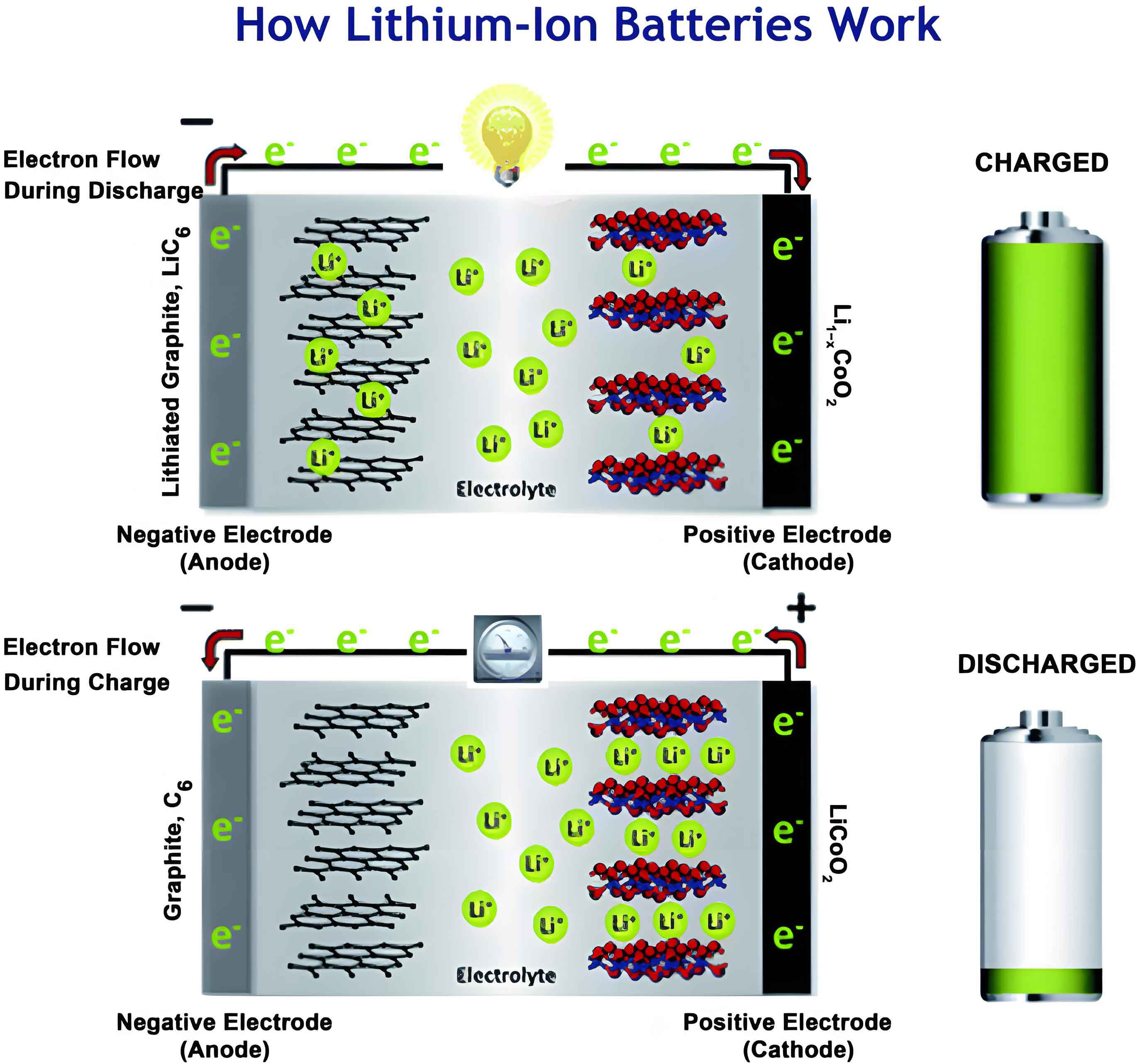
Surface modification of inert PP separators is a dominant strategy to overcome these challenges. Inspired by the powerful adhesion of mussel proteins, polydopamine (PDA) has emerged as a versatile coating material. Its molecular structure, rich in catechol and amine groups, allows it to adhere to virtually any substrate and dramatically improve surface hydrophilicity. Traditional PDA deposition, however, relies on the slow, oxygen-driven autoxidation of dopamine in a weakly alkaline Tris buffer, often requiring 12-24 hours—a timescale ill-suited for industrial manufacturing. In this work, we report an efficient and controllable strategy to engineer high-performance composite separators. By introducing sodium periodate (NaIO4) as a potent oxidant catalyst, we achieved the rapid polymerization and deposition of PDA onto a PP membrane within a drastically shortened timeframe. The resulting PP-PDAx composite separators were systematically evaluated. We demonstrate that the modified separator not only exhibits superlative electrolyte affinity and ionic conductivity but also significantly enhances cycling stability and effectively mitigates lithium dendrite formation in lithium-ion battery cells, marking a significant step towards safer and more efficient energy storage.
Experimental Methodology: Fabrication and Characterization
Our approach centers on a facile, solution-based polymerization process catalyzed by sodium periodate (SP). A commercially available Celgard 2500 PP membrane served as the substrate. The process began with the preparation of a Tris-HCl buffer solution (10 mM, pH 8.5). Dopamine hydrochloride (DA) was dissolved in this buffer to form a 2 mg/mL solution. The PP membrane was first immersed in this DA solution for 5 minutes to ensure uniform wetting of its porous structure. Subsequently, sodium periodate was added to the solution to initiate and catalyze the rapid oxidative polymerization of DA. The reaction was allowed to proceed for varying durations (2, 4, and 6 hours, denoted as PP-PDA2, PP-PDA4, and PP-PDA6, respectively). The coated membranes were then thoroughly rinsed with deionized water and dried, yielding the final PP-PDAx composite separators.
The structural and chemical evolution of the separators was probed using a suite of characterization techniques. Field-emission scanning electron microscopy (FE-SEM) equipped with energy-dispersive X-ray spectroscopy (EDS) was employed to examine surface morphology, pore structure, cross-sectional thickness, and elemental distribution. Fourier-transform infrared spectroscopy (FTIR) confirmed the chemical bonding and presence of functional groups. The physical properties were quantified through measurements of electrolyte uptake, porosity (using a n-butanol uptake method), and water contact angle to assess wettability. Mechanical strength was evaluated via tensile tests.
The electrochemical performance, the ultimate metric for a lithium-ion battery component, was rigorously tested. Ionic conductivity ($\sigma$) was calculated from electrochemical impedance spectroscopy (EIS) data obtained from stainless steel (SS) | separator | SS symmetric cells using the formula:
$$\sigma = \frac{d}{R_b \times A}$$
where $d$ is the separator thickness, $R_b$ is the bulk resistance derived from the high-frequency intercept on the real axis, and $A$ is the contact area. The practical utility was evaluated by assembling CR2032 coin cells. For full-cell tests, LiFePO4 (LFP) cathodes were paired with lithium metal anodes. For symmetric cell tests, two lithium disks were used. These cells were subjected to galvanostatic charge-discharge cycling and rate capability tests on a battery cycler. Post-mortem analysis of lithium metal anodes after cycling, including SEM and X-ray photoelectron spectroscopy (XPS), was conducted to investigate the morphology and composition of the solid electrolyte interphase (SEI) and the extent of dendrite suppression.
Results and Discussion: Unveiling the Enhanced Properties
1. Morphological and Chemical Characteristics
Visual inspection immediately revealed the success of the coating process, as the pristine white PP membrane turned progressively darker with increasing polymerization time. SEM imaging provided detailed insights. The pristine PP separator exhibited a characteristic microporous structure with non-uniform pore distribution. Upon modification, a layer of PDA nanoparticles was uniformly deposited on the PP fibrils. For PP-PDA4, the nanoparticles, approximately 55 nm in diameter, partially aggregated but did not block the underlying pore structure, indicating a well-balanced coating. In contrast, the PP-PDA6 sample showed a denser, more continuous PDA layer that began to occlude the pores. Cross-sectional SEM confirmed the deposition of a thin, conformal PDA layer without significantly increasing the overall membrane thickness, ensuring that ion transport distance remains minimal. EDS mapping clearly detected nitrogen and oxygen signals on the modified separators, elements absent in pure PP, confirming the presence of PDA. FTIR spectroscopy provided definitive chemical evidence. The spectrum of PP-PDA4 displayed new, broad absorption bands in the 3100-3700 cm-1 region, attributable to O–H and N–H stretching vibrations from PDA. Furthermore, a distinct peak at 1609 cm-1, associated with the aromatic ring stretching and N–H bending of PDA, emerged, conclusively proving the successful functionalization of the PP surface.
2. Physical and Wetting Properties
The introduction of PDA’s hydrophilic functional groups (-OH, -NH2) fundamentally altered the separator’s interaction with the liquid electrolyte. A dramatic improvement in wettability was observed. While a droplet of standard LP30 electrolyte (1 M LiPF6 in EC/DMC) beaded up on the pristine PP surface with a high contact angle of ~50°, it spread rapidly and completely on the PP-PDA4 surface, achieving an ultra-low contact angle of 9°. This change is directly linked to the formation of hydrogen bonds between the polar groups on PDA and the carbonate solvents in the electrolyte. This superior wettability translated into a remarkable increase in electrolyte uptake. The PP-PDA4 separator absorbed 324% of its dry weight in electrolyte, a seven-fold increase over the pristine PP (45%). This enhanced absorption ensures better pore filling, facilitating ion conduction. The porosity, however, showed a different trend, gradually decreasing with longer deposition times due to pore filling by PDA, as summarized in Table 1.
| Separator Sample | Electrolyte Uptake (%) | Porosity (%) | Contact Angle (°) | PDA Loading (mg/cm²) |
|---|---|---|---|---|
| PP (Pristine) | 45 | 54 | ~50 | 0 |
| PP-PDA2 | 204 | 54 | 22 | 0.035 |
| PP-PDA4 | 324 | 52 | 9 | 0.075 |
| PP-PDA6 | 237 | 36 | 16 | 0.120 |
Mechanically, the PDA coating also served as a reinforcing layer. Tensile tests revealed that the composite separators possessed higher tensile strength and, notably, greater elongation at break compared to pristine PP. The PP-PDA4 separator showed a strength of 110 MPa and an elongation of 81%, compared to 101 MPa and 33% for PP. This improved toughness is crucial for withstanding the stress of cell assembly and volume changes during cycling, providing an additional barrier against dendrite penetration in a lithium-ion battery.
3. Electrochemical Performance in Lithium-Ion Battery Cells
The true test of the modification lies in its electrochemical impact. EIS measurements on symmetric SS cells were used to calculate the ionic conductivity. The PP-PDA4 separator exhibited the lowest bulk resistance ($R_b$ = 2.5 Ω), corresponding to the highest ionic conductivity of 0.51 mS cm-1, which is nearly double that of the pristine PP separator (0.26 mS cm-1). This enhancement stems from the optimal balance achieved by PP-PDA4: its high electrolyte uptake ensures abundant charge carriers within the pores, while its preserved porosity (52%) maintains efficient ion-transport pathways. The PP-PDA6 sample, despite good wettability, suffered from reduced porosity (36%), leading to higher impedance and lower conductivity (0.23 mS cm-1), underscoring the need for a balanced modification strategy.
The performance gain was unequivocally demonstrated in practical lithium-ion battery cells. LFP||Li full cells equipped with the PP-PDA4 separator delivered a high initial discharge capacity of 128.2 mAh g-1 at 1C rate, outperforming the cell with a PP separator (110.6 mAh g-1). More importantly, the PP-PDA4 cell demonstrated excellent capacity retention, maintaining 113.9 mAh g-1 after 100 cycles, indicating superior interfacial stability. The rate capability tests further highlighted the advantage. As the current rate increased from 0.2C to 2C, the cell with the PP-PDA4 separator consistently delivered higher capacities than the control cell, showcasing its ability to support faster charge and discharge with lower polarization.
| Performance Metric | PP Separator | PP-PDA4 Separator | Improvement |
|---|---|---|---|
| Ionic Conductivity (mS cm-1) | 0.26 | 0.51 | +96% |
| Initial Discharge Capacity @ 1C (mAh g-1) | 110.6 | 128.2 | +15.9% |
| Capacity Retention after 100 cycles @ 1C | Lower | 113.9 mAh g-1 | Significantly Higher |
| Rate Performance @ 2C (Relative) | Baseline | ~30% Higher | Substantially Better |
4. Mechanism of Lithium Dendrite Suppression
A critical advancement offered by the PP-PDA4 separator is its ability to regulate lithium deposition. This was investigated using Li||Li symmetric cells cycled at a current density of 0.5 mA cm-2. The cell with the pristine PP separator failed after approximately 390 hours, evidenced by a sudden spike in voltage polarization. In stark contrast, the cell with the PP-PDA4 separator maintained stable and low overpotentials for over 400 hours. Post-cycling SEM analysis of the lithium metal anodes revealed the root cause: the anode from the PP cell was covered with rampant, mossy, and dendritic lithium, while the anode paired with the PP-PDA4 separator exhibited a much smoother and more uniform deposition layer.
This profound difference can be attributed to multiple synergistic mechanisms enabled by the PDA coating, as illustrated in the conceptual diagram below and summarized in Table 3:
1. Improved Li+ Flux Uniformity: The excellent wettability ensures homogeneous electrolyte distribution and pore-filling across the separator. This eliminates “dry spots” and promotes a uniform Li+ flux toward the anode surface during plating, preventing localized current hot spots that initiate dendrite growth.
2. Functional SEI Modification: XPS analysis of the cycled lithium anodes revealed that the SEI layer formed in the presence of the PP-PDA4 separator contained a higher proportion of LiF. The polar groups on PDA can interact with and help decompose LiPF6 salt more uniformly, fostering the formation of a LiF-rich SEI. LiF is known for its high mechanical modulus and good ionic conductivity, contributing to a more stable and ionically conductive interface that guides even lithium deposition.
3. Lithiophilic Nucleation Sites: The nitrogen- and oxygen-containing groups in PDA may act as lithiophilic sites, reducing the nucleation overpotential for lithium and promoting a denser, more uniform plating morphology.
| Mechanism | Effect | Result on Lithium Deposition |
|---|---|---|
| Enhanced Wettability & Uniform Electrolyte Distribution | Homogenizes Li+ ion flux across the electrode surface | Prevents localized high-current-density spots that trigger dendrites |
| Promotion of LiF-rich SEI | Creates a mechanically strong and ionically conductive interface | Stabilizes the anode surface and guides uniform Li plating/stripping |
| Lithiophilic Surface Functional Groups | Lowers nucleation barrier for lithium metal | Encourages dense, granular lithium growth instead of dendritic growth |
| Mechanical Reinforcement of Separator | Increases tensile strength and puncture resistance | Provides a more robust physical barrier against dendrite penetration |
Conclusion and Perspective
In this work, we have successfully developed a high-performance composite separator for advanced lithium-ion batteries through a rapid and efficient sodium periodate-catalyzed polymerization process. The key achievement was the precise engineering of a polydopamine nanocoating on a commercial PP membrane within a practically viable timeframe of 4 hours. The optimized PP-PDA4 separator demonstrated an exceptional combination of properties: ultra-high electrolyte uptake (324%), super-hydrophilicity (9° contact angle), enhanced ionic conductivity (0.51 mS cm-1), and improved mechanical robustness. When deployed in LFP||Li lithium-ion battery cells, it delivered superior specific capacity, rate capability, and cycling stability compared to its unmodified counterpart.
Most significantly, this work provides clear evidence that the PDA modification confers a powerful ability to suppress lithium dendrite growth. The synergistic effects of homogenized ion flux, a stabilized LiF-rich SEI layer, and lithiophilic surface chemistry work in concert to promote uniform lithium deposition, thereby enhancing the safety and longevity of lithium metal batteries. This study underscores that separator modification is not merely a passive upgrade for wettability but an active strategy for interfacial engineering within the lithium-ion battery. The SP-catalyzed PDA coating method presented here is scalable, efficient, and effective, offering a promising pathway for the industrial fabrication of next-generation separators that are crucial for realizing safer, higher-energy-density energy storage systems.