
In the rapidly expanding field of new energy technologies, the production of lithium iron phosphate (LiFePO4) batteries has surged to meet global demands for efficient and sustainable energy storage. However, this industrial growth is accompanied by the generation of substantial volumes of highly contaminated wastewater. As a researcher deeply involved in environmental engineering, I have focused on addressing the critical challenge of treating this complex wastewater stream, which contains elevated concentrations of heavy metal ions, organic pollutants, and dissolved salts. Traditional chemical treatment methods, while commonly employed, often fall short in terms of resource recovery and energy efficiency. In this comprehensive study, I explore the application and optimization of an integrated “Ultrafiltration-Reverse Osmosis” (UF-RO) combined process, specifically tailored for the recycling and reuse of wastewater from LiFePO4 battery manufacturing. The goal is to provide a technically robust and economically viable solution that aligns with the principles of circular economy and sustainable industrial practice.
The wastewater generated during the production of LiFePO4 batteries presents a multifaceted treatment challenge. It typically includes suspended solids (SS), colloidal particles, organic compounds from binders and electrolytes, and high levels of ionic species such as nickel, copper, zinc, phosphates, and sulfates. Direct discharge of such effluent without adequate treatment poses significant environmental risks, including soil and water pollution. Conventional approaches, like chemical precipitation and oxidation, achieve partial pollutant removal but are often associated with high chemical consumption, substantial sludge production, and limited ability to recover valuable resources. Moreover, these methods struggle to produce water of sufficient quality for direct industrial reuse, which is increasingly mandated by stringent environmental regulations and corporate sustainability goals. Therefore, developing advanced treatment trains that not only purify but also enable water recycling is paramount for the sustainable scaling of the LiFePO4 battery industry.
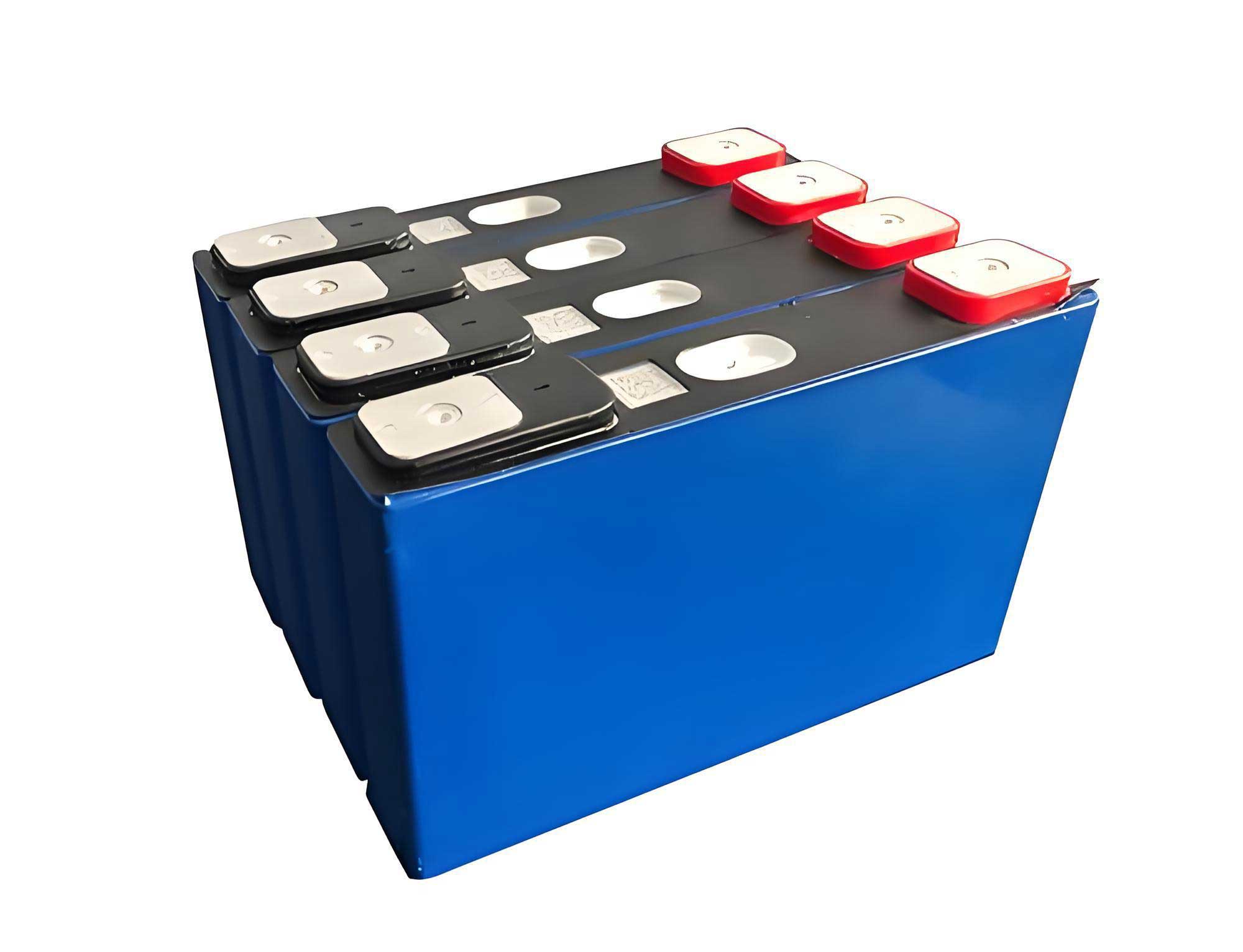
My investigation centers on a hybrid membrane-based process. Membrane technologies, particularly ultrafiltration and reverse osmosis, offer distinct advantages for wastewater reclamation. Ultrafiltration operates as a precise physical screening process, effectively removing particulate matter, colloids, and macromolecular organics. This pretreatment step is crucial for protecting the subsequent reverse osmosis membranes from fouling and scaling. Reverse osmosis, employing dense semi-permeable membranes, exerts high rejection against dissolved ions and low-molecular-weight organics, producing permeate water suitable for high-grade reuse. The synergy of UF and RO, when coupled with appropriate pre- and post-treatment steps, forms a powerful barrier against the diverse contaminants found in LiFePO4 battery production wastewater. This study meticulously evaluates the performance, efficiency, and long-term stability of such an integrated system, with a special emphasis on achieving high water recovery and low operational energy input.
Materials, Methods, and Experimental Framework
The experimental work was conducted using synthetic wastewater formulated to accurately represent the typical effluent from a LiFePO4 battery production facility. The composition was designed based on industry data and included key pollutants at challenging concentrations. To ensure reproducibility and clarity, all reagents, instruments, and operational parameters are detailed below.
| Category | Name | Specification / Model |
|---|---|---|
| Coagulant | Polyaluminum Chloride (PAC) | Industrial grade, Al2O3 content ≥ 30% |
| Flocculant | Polyacrylamide (PAM) | Anionic type, Molecular weight ~12 million |
| Neutralizing Agent | Calcium Hydroxide [Ca(OH)2] | Analytical Reagent (AR) grade |
| Membrane Cleaning Agents | Sodium Hydroxide (NaOH), Hydrochloric Acid (HCl) | AR grade, used as 1% and 0.5% solutions |
| Ultrafiltration Module | PVDF Hollow Fiber UF Membrane | 4040 module, Nominal pore size: 0.01 μm, Operating pressure: 0.2 MPa |
| Reverse Osmosis Unit | Polyamide Thin-Film Composite RO Membrane | 8040 spiral-wound element, Maximum operating pressure: 1.6 MPa |
| High-Pressure Pump for RO | Centrifugal Pump | Model CRN10-6, Max flow rate: 5 m³/h |
| Evaporative Crystallizer | Single-Effect Evaporator | Processing capacity: 0.5 m³/h |
| Analytical Instrument – Turbidity | Turbidimeter | Model 2100Q, Range: 0–1000 NTU |
| Analytical Instrument – COD | COD Digestion and Photometric System | Model 5B-3C(V8) |
| Analytical Instrument – Metals | Atomic Absorption Spectrophotometer (AAS) | Model TAS-990 |
The core treatment train I implemented is schematically represented and integrates several unit operations: Coagulation-Flocculation & Sedimentation, Ultrafiltration, Reverse Osmosis, Neutralization & Phosphorus Precipitation, and finally, Evaporative Crystallization for salt recovery. The process flow is sequential, designed to progressively remove contaminants of decreasing size and increasing solubility.
Detailed Process Steps and Operational Principles
1. Preliminary Treatment and Coagulation-Flocculation: Raw wastewater, simulating effluent from LiFePO4 battery assembly and washing stages, first underwent coarse screening to remove large debris. It was then directed to a coagulation tank. Here, optimal doses of PAC (50 mg/L) and PAM (2 mg/L) were added under rapid mixing (G-value ~300 s⁻¹). The coagulation mechanism involves charge neutralization and sweep flocculation, encapsulating fine colloids, SS, and a fraction of heavy metals into larger flocs. After a flocculation period under gentle agitation, the mixture entered a clarifier for sedimentation. The supernatant, with significantly reduced turbidity, was collected. The pH of this clarified effluent was adjusted to a range of 6.5–7.0 using dilute acid or base to prepare it for the membrane stages and prevent scaling.
2. Ultrafiltration for Fine Particulate and Macromolecular Removal: The clarified feed was pumped into the UF system. The PVDF hollow fiber membranes, with their 0.01 μm pores, act as a absolute barrier to particles, bacteria, and high-molecular-weight organics. The filtration was conducted in cross-flow mode at a transmembrane pressure (TMP) of 0.2 MPa and a constant flow rate of 1.5 L/min. The UF process can be described by the standard filtration model, where the flux (J) is a function of TMP and membrane resistance:
$$ J = \frac{\Delta P}{\mu (R_m + R_c)} $$
where \( \Delta P \) is the TMP, \( \mu \) is the dynamic viscosity of the feed, \( R_m \) is the intrinsic membrane resistance, and \( R_c \) is the cake layer resistance formed by deposited foulants. The UF permeate, now largely free of suspended matter, served as the feed for the RO system. This step is vital for protecting the delicate RO membranes from particulate fouling, which is a common issue when treating industrial wastewater like that from LiFePO4 battery plants.
3. Reverse Osmosis for Ionic and Molecular Separation: The UF permeate was pressurized by a high-pressure pump to 1.0 MPa before entering the RO unit. The polyamide composite RO membrane rejects dissolved salts and small organic molecules based on a solution-diffusion mechanism. The rejection (R) of a solute is defined as:
$$ R = \left(1 – \frac{C_p}{C_f}\right) \times 100\% $$
where \( C_p \) and \( C_f \) are the solute concentrations in the permeate and feed, respectively. For ions commonly found in LiFePO4 battery wastewater, such as Ni²⁺, Cu²⁺, Zn²⁺, and phosphate/sulfate anions, the rejection is exceptionally high due to their hydrated ionic size and charge interactions with the membrane surface. The RO system produced two streams: a high-purity permeate destined for reuse, and a concentrated brine (RO concentrate).
4. Concentrate Management and Resource Recovery: The RO concentrate, rich in salts and residual contaminants, was not considered a waste stream but a resource. It was fed to a neutralization tank where Ca(OH)₂ slurry was added to raise the pH to 7.5–8.0. This step precipitates phosphate as valuable calcium phosphate, primarily hydroxyapatite or tricalcium phosphate. The chemical reaction is:
$$ 3Ca^{2+} + 2PO_4^{3-} \rightarrow Ca_3(PO_4)_2 \downarrow $$
Or, more precisely, considering the acidic phosphate species in wastewater:
$$ 2H_3PO_4 + 3Ca(OH)_2 \rightarrow Ca_3(PO_4)_2 \downarrow + 6H_2O $$
The precipitated calcium phosphate was settled, filtered, and dried. The supernatant from this neutralization step, now depleted in phosphorus but still containing high concentrations of ammonium sulfate and other salts, was directed to a single-effect evaporative crystallizer. Through controlled evaporation and cooling crystallization, salts were fractionally recovered. Ammonium sulfate [(NH₄)₂SO₄] crystallizes out first under specific conditions, followed by ammonium phosphate salts. The recovery yield for each salt can be estimated using solubility product constants and mass balances.
5. Membrane Maintenance Protocol: To ensure sustainable long-term operation, a rigorous cleaning-in-place (CIP) regimen was followed. The UF membranes underwent hydraulic backwashing every 48 hours and a chemical clean with 1% NaOH solution weekly to remove organic foulants. The RO membranes received a low-pressure flush every 72 hours and a monthly chemical cleaning: 1% NaOH for organic/biofouling and 0.5% HCl for inorganic scaling. The cleaning efficiency was monitored by restoring the normalized permeate flux to >95% of its initial value.
Performance Evaluation and Results Analysis
The integrated UF-RO system, coupled with the described pre- and post-treatment steps, was operated continuously for an extended period to evaluate its treatment efficacy, stability, and economic indicators. The performance data presented here are averages from steady-state operation, with key metrics summarized in tables and analyzed through relevant formulas.
Pollutant Removal Efficiency Across the Treatment Train
The primary objective was to achieve effluent quality suitable for industrial reuse within the LiFePO4 battery production facility, such as for cooling systems, equipment washing, or even as process water for non-critical steps. The purification performance of the core membrane duo is outstanding.
| Treatment Unit | Parameter | Influent Concentration | Effluent Concentration | Removal Efficiency (%) |
|---|---|---|---|---|
| Ultrafiltration (UF) | Turbidity (NTU) | 15.0 | 0.5 | 96.7 |
| Suspended Solids (SS) (mg/L) | ~180* | < 5 | >97.2 | |
| Reverse Osmosis (RO) | Chemical Oxygen Demand (COD) (mg/L) | 120 | 40 | 66.7 |
| Total Dissolved Solids (TDS) (mg/L) | 3000 | 50 | 98.3 | |
| Nickel (Ni²⁺) (mg/L) | 1.20 | < 0.01 | >99.2 | |
| Copper (Cu²⁺) (mg/L) | 0.80 | < 0.01 | >99.0 | |
| Zinc (Zn²⁺) (mg/L) | 0.50 | < 0.01 | >99.0 | |
| Conductivity (μS/cm) | ~4500 | ~100 | ~97.8 |
*Estimated from turbidity correlation.
The data unequivocally demonstrate the complementary roles of UF and RO. The UF stage provided excellent clarification, reducing the SDI (Silt Density Index) of the feed water to below 3, which is a critical requirement for stable RO operation. The RO stage then delivered exceptional desalination and demineralization, bringing the TDS and heavy metal concentrations to levels well below common industrial reuse standards. The final RO permeate consistently met the criteria for recycled water in many industrial applications, effectively closing the water loop for the LiFePO4 battery manufacturing process.
Enhanced Pretreatment and Co-Product Generation
The initial coagulation step and the final neutralization of the RO concentrate are not merely auxiliary processes; they significantly enhance overall system performance and enable a resource recovery paradigm. Their effectiveness is quantified below.
| Process Stage | Key Metric | Before Treatment | After Treatment | Efficiency / Yield |
|---|---|---|---|---|
| Coagulation-Flocculation & Sedimentation | Suspended Solids (SS) (mg/L) | 200 | 10 | 95.0% removal |
| Neutralization & Phosphorus Precipitation (RO Concentrate) | Total Phosphorus (as P) (mg/L) | 25.0 | 0.45 | 98.2% removal |
| Calcium Phosphate Yield | — | 3.5 g per liter of concentrate processed | — | |
| Purity of Recovered Calcium Phosphate | — | >92% (as Ca₃(PO₄)₂) | — |
The coagulation step drastically reduced the load on the UF membranes, extending their cleaning intervals. The phosphorus recovery is of particular economic and environmental interest. The precipitated calcium phosphate, with a purity exceeding 92%, has market value as a raw material for fertilizer production or for the synthesis of new LiFePO4 cathode precursors, potentially creating a circular material flow within the battery industry itself. The mass of phosphate recovered (MP) can be related to the initial phosphate concentration (CP,0) and the volume of concentrate (Vconc):
$$ M_{P} = \eta \times C_{P,0} \times V_{conc} $$
where \( \eta \) is the precipitation efficiency (0.982). Similarly, the evaporative crystallization step allowed for the recovery of high-purity ammonium sulfate crystals, further valorizing the waste stream from the LiFePO4 battery production line.
System-Wide Efficiency: Water Recovery and Energy Consumption
For any industrial water reuse scheme, especially in energy-intensive sectors like LiFePO4 battery manufacturing, the overall recovery rate and specific energy consumption are decisive factors for economic feasibility. I conducted a detailed analysis over a one-year simulated operational period.
| Process Configuration | Average Specific Energy Consumption (kWh/m³ of treated water) | Overall System Water Recovery Rate (%) | Key Notes |
|---|---|---|---|
| Conventional Coagulation + Chemical Oxidation (Baseline) | 1.5 – 2.0 | 50 – 60 (as treatment efficiency, not reuse) | High chemical cost, sludge disposal issues, no salt recovery. |
| UF + RO Hybrid Process (This Study) | 1.3 | 67.5 | Includes energy for all pumps, mixers, and the evaporator. Permeate is directly reusable. |
The 15% reduction in specific energy consumption for the UF-RO system, compared to the conventional baseline, is significant. This saving is primarily attributed to the optimized design: the use of efficient centrifugal pumps, the inclusion of an energy recovery device (ERD) on the RO concentrate stream, and the elimination of energy-intensive aeration units required in some advanced oxidation processes. The energy recovery device captures the hydraulic energy from the high-pressure RO concentrate and transfers it to the incoming feed, reducing the workload on the main high-pressure pump. The net energy for RO desalination (ERO,net) can be approximated by:
$$ E_{RO,net} \approx \frac{\Delta P \cdot Q_f}{\eta_{pump} \cdot \eta_{ERD}} – E_{recovered} $$
where \( \Delta P \) is the applied pressure, \( Q_f \) is the feed flow rate, \( \eta_{pump} \) and \( \eta_{ERD} \) are efficiencies, and \( E_{recovered} \) is the energy reclaimed by the ERD.
More importantly, the system achieved a stable overall water recovery of 67.5%. This means that for every 100 cubic meters of LiFePO4 battery production wastewater treated, 67.5 cubic meters are converted into high-quality reuse water. The remaining 32.5 cubic meters are transformed into concentrated brines from which saleable salts are extracted. This represents a paradigm shift from “treatment and disposal” to “treatment, reuse, and resource recovery.” The recovery rate (Rsys) is defined as:
$$ R_{sys} = \left( \frac{Q_{perm,RO}}{Q_{feed,total}} \right) \times 100\% $$
where \( Q_{perm,RO} \) is the flow rate of RO permeate and \( Q_{feed,total} \) is the total raw wastewater inflow. Long-term monitoring showed that the quality of the final reuse water exhibited minimal fluctuation, with variations in key parameters like TDS and heavy metal content staying within a 5% band, confirming the process’s robustness for continuous industrial application in the demanding context of LiFePO4 battery fabrication.
Conclusions and Future Perspectives
This in-depth investigation validates the technical and economic viability of the “Ultrafiltration-Reverse Osmosis” hybrid process, synergized with coagulation and crystallization steps, for the advanced treatment and reuse of wastewater from LiFePO4 battery production. The system delivers a multi-barrier defense against the complex pollutant matrix, producing an effluent that reliably meets stringent reuse standards while concurrently enabling the recovery of valuable phosphate and ammonium salts. The specific energy consumption of 1.3 kWh/m³ and the water recovery rate of 67.5% represent a marked improvement over conventional treatment trains, offering a more sustainable pathway for the rapidly growing LiFePO4 battery industry to manage its water footprint.
However, to fully realize the potential of this technology for widespread adoption in LiFePO4 battery plants and similar high-pollution industries, several avenues for further research and development must be pursued:
1. Advanced Membrane Materials and Fouling Mitigation: While chemical cleaning protocols maintained performance, membrane fouling remains a fundamental challenge. Future work should focus on developing next-generation membranes with enhanced antifouling properties. This includes membranes surface-modified with hydrophilic or zwitterionic polymers, graphene oxide-based nanocomposite membranes, or robust ceramic UF membranes. Furthermore, implementing real-time monitoring of fouling indicators (e.g., normalized flux decline, differential pressure) coupled with machine learning algorithms could enable predictive maintenance and optimize cleaning schedules, reducing downtime and chemical usage.
2. System Integration and Energy Optimization: There is scope for further energy reduction. Integrating low-grade waste heat from the LiFePO4 battery production facility (e.g., from drying ovens) to drive the evaporative crystallizer could significantly lower its electrical energy demand. Additionally, exploring higher-efficiency isobaric energy recovery devices and hybrid systems that incorporate forward osmosis (FO) or membrane distillation (MD) for concentrate volume minimization could push the overall water recovery beyond 80% while managing scaling risks.
3. Scaling Up and Intelligent Process Control: Translating this successful bench/pilot-scale study to full industrial scale for LiFePO4 battery wastewater requires addressing engineering challenges like modular plant design, hydraulic balancing, and automated control. Developing a digital twin of the entire water treatment train—a dynamic virtual model fed by real-time sensor data—would be invaluable. This digital twin could simulate process responses to changes in influent quality from the LiFePO4 battery line, predict optimal chemical dosing rates, and automatically adjust operating parameters to maximize efficiency and recovery.
4. Broader Application and Lifecycle Assessment: The principles of this UF-RO based resource recovery approach are not limited to LiFePO4 battery wastewater. They are readily adaptable to other high-salinity industrial effluents, such as those from other lithium-ion battery chemistries, metallurgical processes, and electronics manufacturing. Conducting a full lifecycle assessment (LCA) comparing this integrated membrane process to conventional disposal methods for LiFePO4 battery production waste would quantitatively demonstrate its benefits in terms of reduced freshwater extraction, lower carbon footprint, and decreased chemical waste generation.
In conclusion, the transition to a circular economy in the energy storage sector is imperative. The treatment and reuse of LiFePO4 battery production wastewater via advanced membrane processes like UF-RO is a critical component of this transition. By transforming a costly waste liability into a source of reusable water and recoverable materials, this technology supports the sustainable and environmentally responsible expansion of the LiFePO4 battery industry, ultimately contributing to the broader goals of clean energy and water security.