
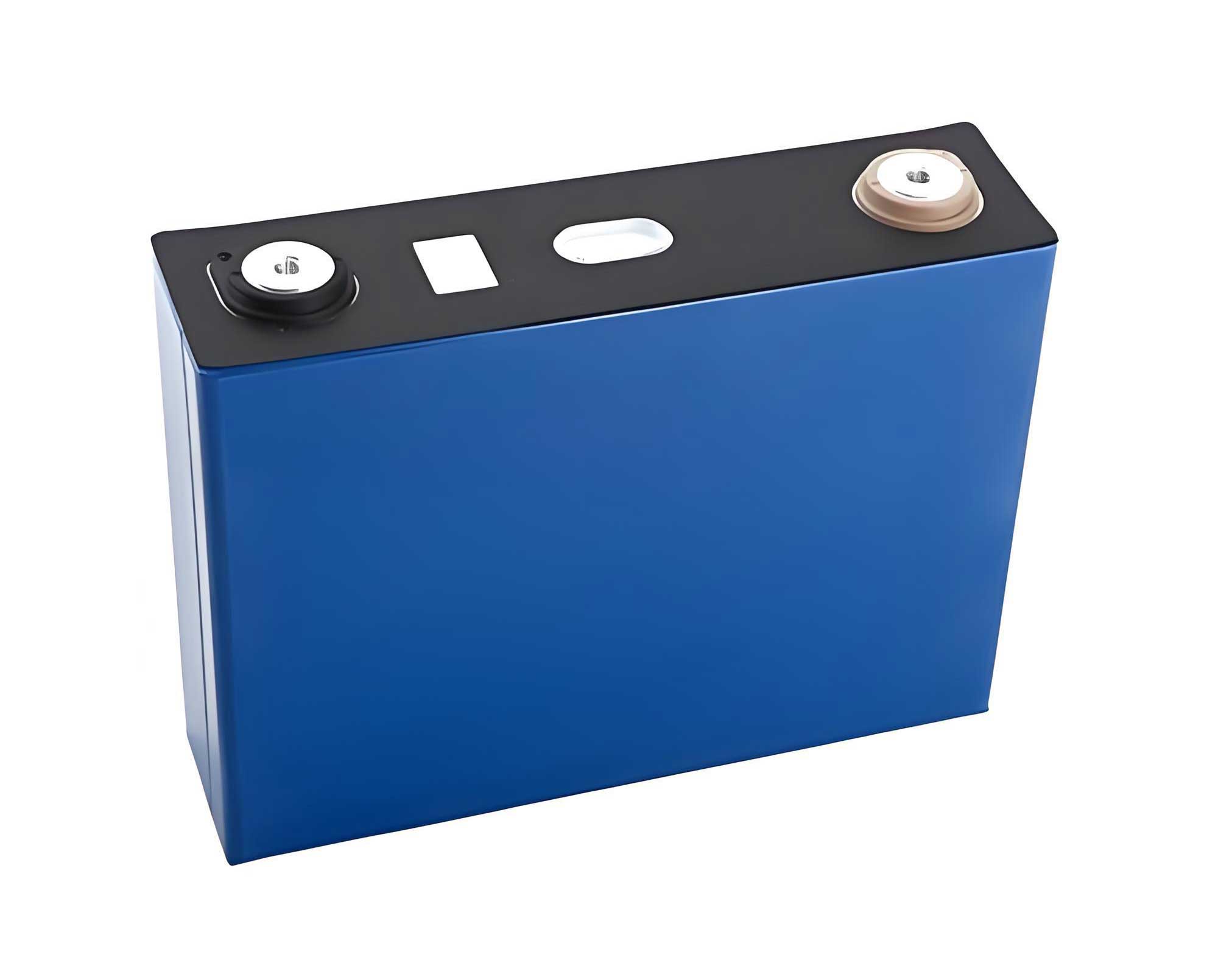
The global push towards energy transition and environmental protection has created an urgent demand for sustainable technologies. The transportation sector, a major contributor to energy consumption and carbon emissions, is rapidly transitioning towards green and low-carbon alternatives, with new energy vehicles (NEVs) serving as a key driver. This shift has led to an explosive growth in the production and deployment of lithium-ion batteries. Among these, the lithium iron phosphate (LiFePO4 or LFP) battery has gained dominant market share in many applications, particularly for electric vehicles, due to its inherent safety, long cycle life, and lower cost compared to nickel-cobalt-manganese (NCM) counterparts. However, the typical lifespan of a power lithium-ion battery is only 6 to 8 years. The continuous expansion of the installed base inevitably leads to a mounting wave of end-of-life (EOL) batteries. It is projected that by 2030, the volume of lithium-ion batteries requiring recycling will exceed 1 TWh, with spent lithium iron phosphate battery units expected to constitute over 58% of this stream.
If not managed properly, decommissioned lithium iron phosphate battery packs pose significant environmental and safety risks. The components, including heavy metals and toxic organic electrolytes, can leak and contaminate soil and water, threatening ecological systems and public health. Therefore, promoting the efficient recycling of spent lithium iron phosphate batteries is not only crucial for environmental stewardship but also vital for alleviating the pressure on lithium resource supply and creating considerable economic value through resource circularity. The recycling value primarily concentrates on the cathode. However, unlike NCM batteries which contain high-value nickel and cobalt, the spent lithium iron phosphate battery cathode contains only lithium, iron, and phosphorus, resulting in a relatively lower economic incentive for recycling. This challenge is further intensified by fluctuating and often declining market prices for lithium carbonate. Consequently, achieving the comprehensive recovery of all valuable components—Li, P, Fe, and graphite from the anode—is imperative to enhance both the economic viability and environmental benefits of recycling spent lithium iron phosphate battery materials.
The recycling process generally consists of two main stages: pretreatment and deep processing. Pretreatment aims to safely discharge and disassemble the spent lithium iron phosphate battery pack, followed by physical separation to obtain enriched fractions of electrode materials. Deep processing encompasses two principal technical pathways: direct regeneration and elemental recovery. The former focuses on the holistic repair and rejuvenation of the cathode material’s structure and electrochemistry. The latter involves the extraction of valuable metal elements via hydrometallurgical or pyrometallurgical processes, followed by separation and refinement into new products. This review systematically summarizes the current state of valuable element recovery technologies for spent lithium iron phosphate batteries, providing a reference for related research and industrial application, while also offering perspectives on future development directions.
1. Pretreatment of Spent Lithium Iron Phosphate Batteries
The structure of a lithium iron phosphate battery is complex, comprising a steel or aluminum casing, cathode (LiFePO4 on Al foil), anode (graphite on Cu foil), separator, and electrolyte. Direct recycling is difficult and inefficient. Therefore, pretreatment is essential to achieve fine separation of components and removal of organics, prior to any deep processing. The primary goals are to safely handle the spent lithium iron phosphate battery, recover valuable materials like copper and aluminum foils efficiently, and obtain purified active material powders to reduce the difficulty and cost of subsequent steps. A general pretreatment flow is shown below.
1.1 Discharge
Residual energy in spent batteries poses serious safety hazards (fire, explosion) during crushing and dismantling. Discharge methods are categorized into physical and chemical.
Physical methods involve submerging batteries in conductive media like metal or graphite powder. While simple, residual voltage remains high, and graphite dust carries explosion risks.
Chemical discharge, by immersing batteries in salt solutions (e.g., NaCl, FeSO4), is more effective and common. The electrochemical reaction accelerates discharge. However, corrosion can cause electrolyte leakage. Emerging methods like salt solution spray or crushing under inert atmosphere are gaining traction for their reduced waste generation and enhanced safety in large-scale processing of spent lithium iron phosphate battery units.
1.2 Dismantling and Crushing
Dismantling separates the battery cell from modules and casing. Manual dismantling is thorough but labor-intensive. Mechanical/robotic dismantling is favored for scale, safety, and speed, though adaptability to diverse module designs remains a challenge, prompting research into intelligent human-machine collaborative systems.
Subsequent crushing and multi-stage separation exploit differences in physical properties (size, density, magnetism, hydrophobicity). For instance, low-density plastics are removed by air classification or gravity separation, metal casings by magnetic separation. The separation of cathode and anode black mass is critical. Techniques like high-intensity magnetic separation (HIMS) can directly recover over 98% of LiFePO4 from crushed mixtures. Froth flotation, utilizing the hydrophobic difference between graphite (natural hydrophobicity) and LiFePO4 (hydrophilic), can yield high-purity cathode material with the aid of depressants and collectors.
1.3 Electrode Material Delamination
The active material (LiFePO4 or graphite) is bound to the metal foil (Al or Cu) by polyvinylidene fluoride (PVDF) binder. Delamination is necessary to obtain pure active powder. Main methods include:
- Solvent Dissolution: Using organic solvents like N-methyl-2-pyrrolidone (NMP) to dissolve PVDF, or using alkaline solutions (e.g., NaOH) to dissolve the aluminum foil based on the reaction: $$2Al + 2NaOH + 6H_2O \rightarrow 2Na[Al(OH)_4] + 3H_2$$
- Thermal Treatment: Pyrolysis decomposes the organic binder at high temperature (e.g., 500°C), but can release toxic fumes (e.g., HF from PVDF). Low-temperature pyrolysis with additives like CaO can lower the temperature and fix fluorine.
- Cryogenic Milling: Utilizing liquid nitrogen to embrittle the binder, allowing selective crushing and separation.
- Green Solvents: Emerging approaches use deep eutectic solvents (DES) or natural acids (e.g., citric juice) for milder, more environmentally friendly separation.
Each method has trade-offs between efficiency, cost, and environmental impact. Future development focuses on optimizing low-temperature processes and developing novel green solvents to transition pretreatment towards lower carbon footprint and pollution.
| Method | Principle | Advantages | Disadvantages |
|---|---|---|---|
| Organic Solvent (NMP) | Dissolves PVDF binder | High efficiency, good material purity | Toxic, expensive, requires solvent recovery |
| Alkaline Leaching (NaOH) | Dissolves Al foil | Simple, cost-effective for Al recovery | Corrosive, generates hydrogen gas, wastewater |
| Thermal Pyrolysis | Decomposes organic components | Thorough, no solvent use | High energy, toxic emissions (HF, organics), material degradation risk |
| Cryogenic Milling | Brittle fracture of binder at low T | No chemicals, preserves material | High energy for cooling, specialized equipment |
| Deep Eutectic Solvents | Selective dissolution | Low toxicity, tunable, potentially recyclable | Developing technology, variable efficiency |
2. Direct Regeneration of LiFePO4 Cathode Material
Direct regeneration aims to restore the electrochemical performance of the cathode material from a spent lithium iron phosphate battery without breaking it down to elemental levels. The capacity fade in LiFePO4 is primarily due to loss of active lithium and the formation of inactive phases on the particle surface. Fortunately, the robust olivine structure of LiFePO4 allows for reversible lithium insertion/extraction. The principle is to replenish the lost lithium and repair structural defects, thereby reconstructing lithium-ion diffusion pathways.
2.1 High-Temperature Solid-State Regeneration
This method is suitable for spent LiFePO4 material that retains its overall crystal structure. The process involves mixing the retrieved cathode powder with a lithium source (e.g., Li2CO3, LiOH·H2O) and a carbon source (e.g., glucose, sucrose), followed by calcination at high temperature (650-750°C) under inert atmosphere. The reaction can be simplified as a solid-state relithiation:
$$ \text{Deficient Li}_{1-x}\text{FePO}_4 + x\text{Li}^+ + x\text{e}^- \rightarrow \text{LiFePO}_4 $$
The added carbon acts both as a reducing agent to maintain Fe in the +2 state and as a conductive coating. This one-pot process also removes residual binder and carbon black. The key is precise control of the Li/Fe molar ratio. While this method shortens the recycling chain, it relies on inefficient solid-solid reactions, consumes significant energy, and may generate harmful gases during heat treatment.
2.2 Low-Temperature Liquid-Phase Regeneration (Hydrothermal/Solvothermal)
Inspired by liquid-phase synthesis, this method offers a milder alternative. The spent LiFePO4 powder is dispersed in an aqueous solution containing a soluble lithium salt (Li source) and a reductant (e.g., ascorbic acid, glucose). The mixture is treated in an autoclave at 120-200°C. The homogeneous liquid phase allows for efficient lithium insertion and surface repair. The general concept involves a re-lithiation reaction:
$$ \text{Li}_{1-x}\text{FePO}_4 + x\text{Li}^+ + x\text{e}^- (\text{from reductant}) \rightarrow \text{LiFePO}_4 $$
This process can simultaneously achieve carbon re-coating and even ion doping (e.g., with Nb, V) to enhance conductivity and stability, producing regenerated cathodes with performance comparable or superior to commercial ones. It operates at lower temperatures with better control over morphology, representing a promising green regeneration route for spent lithium iron phosphate battery cathodes.
| Method | Typical Conditions | Key Advantages | Key Challenges |
|---|---|---|---|
| Solid-State Regeneration | Mixing + Calcination (650-750°C, Ar/N2) | Simple process flow, simultaneous carbon coating | High energy consumption, requires precise stoichiometry, gas emissions |
| Liquid-Phase (Hydrothermal) Regeneration | Hydrothermal (120-200°C, 5-20 h) | Lower temperature, uniform repair, allows for morphology control & doping | Longer processing time, requires pressure equipment, water/chemical usage |
3. Pyrometallurgical Recovery
Pyrometallurgy uses high-temperature treatment to transform the cathode material, facilitating the recovery of valuable metals. Traditional direct smelting or roasting of spent lithium iron phosphate battery material requires temperatures above 1000°C to reduce and alloy iron, making lithium recovery difficult and energy-intensive. Therefore, for LiFePO4, a modified “salt-assisted roasting – water leaching” process is more common and effective.
Salt-Assisted Roasting: This involves mixing the cathode material with reagents like (NH4)2SO4, NaHSO4, or NH4Cl and roasting at a lower temperature (300-600°C). The salt decomposes or reacts, creating an acidic or oxidative environment that converts lithium into water-soluble salts (e.g., Li2SO4, LiCl) while iron is transformed into insoluble FePO4 or Fe2O3. For example, with (NH4)2SO4:
$$ 2\text{LiFePO}_4 + 3(\text{NH}_4)_2\text{SO}_4 \rightarrow \text{Li}_2\text{SO}_4 + 2\text{FePO}_4 + 3\text{SO}_2 \uparrow + 6\text{NH}_3 \uparrow + 3\text{H}_2\text{O} \uparrow $$
Subsequent water leaching selectively recovers lithium with over 95% efficiency, leaving iron in the residue. While this method reduces energy consumption compared to direct smelting, it still involves thermal treatment and can generate gaseous pollutants (SOx, NOx, Cl2, NH3). Its future lies in synergistic coupling with hydrometallurgy, where a low-temperature roasting step is used to destabilize the LiFePO4 structure and remove fluorine, thereby significantly reducing acid consumption in the subsequent leaching stage for the spent lithium iron phosphate battery material.
4. Hydrometallurgical Recovery
Hydrometallurgy is the most prevalent and well-developed route for recycling spent lithium iron phosphate battery cathodes, characterized by high metal recovery yields, low energy consumption, and relatively simple operation. It typically involves leaching followed by separation/purification. Based on the leaching strategy, it is divided into non-selective total leaching and selective leaching.
4.1 Non-Selective Total Leaching
This approach aims to dissolve all valuable metals (Li, Fe, P) from the spent lithium iron phosphate battery cathode into solution using strong acids. The core reaction is:
$$ \text{LiFePO}_4 + 2\text{H}^+ \rightarrow \text{Li}^+ + \text{Fe}^{2+} + \text{H}_3\text{PO}_4 $$
Inorganic Acids: HCl, H2SO4, HNO3, and H3PO4 are commonly used, often with H2O2 as an oxidant to accelerate dissolution. While efficient, they cause equipment corrosion and generate NOx gases (from HNO3) or large volumes of acidic wastewater.
Organic Acids: Environmentally friendlier alternatives like citric acid (C6H8O7), oxalic acid (H2C2O4), malic acid, and ascorbic acid are promising. They act as both acid and reductant/chelant, improving leaching kinetics. For instance, oxalic acid also precipitates Fe as FeC2O4, simplifying separation:
$$ 2\text{LiFePO}_4 + 4\text{H}_2\text{C}_2\text{O}_4 \rightarrow 2\text{Li}^+ + 2\text{FeC}_2\text{O}_4 \downarrow + 2\text{H}_3\text{PO}_4 + \text{H}_2 \uparrow + 2\text{CO}_2 \uparrow $$
The main challenge post-leaching is the separation of Li+ from Fe2+/Fe3+ and PO43-. Common methods include:
Selective Precipitation: Adjusting pH to precipitate Fe as Fe(OH)3 or FePO4, then precipitating Li as Li2CO3 or Li3PO4.
Solvent Extraction & Ion Exchange: More effective for purification but add cost and complexity.
4.2 Selective Leaching
This innovative strategy aims to selectively extract only lithium from the spent lithium iron phosphate battery cathode under mild conditions, leaving iron and phosphorus in the solid residue as FePO4, which is a potential precursor for direct regeneration. The principle is based on the oxidation of Fe(II) in LiFePO4 to Fe(III), which destabilizes the structure and expels Li+ into solution.
$$ \text{LiFePO}_4 – \text{e}^- \rightarrow \text{FePO}_4 + \text{Li}^+ $$
This can be driven by various oxidants.
4.2.1 Oxidant-Assisted Leaching
H2O2 in Acidic Medium: The most established industrial method uses dilute H2SO4 with H2O2.
$$ 2\text{LiFePO}_4 + \text{H}_2\text{SO}_4 + \text{H}_2\text{O}_2 \rightarrow \text{Li}_2\text{SO}_4 + 2\text{FePO}_4 + 2\text{H}_2\text{O} $$
This achieves >99% Li leaching with minimal Fe co-dissolution.
Persulfates (Na2S2O8, (NH4)2S2O8): Strong oxidants that can work in very low acid or acid-free conditions.
$$ 2\text{LiFePO}_4 + (\text{NH}_4)_2\text{S}_2\text{O}_8 \rightarrow 2\text{FePO}_4 + \text{Li}_2\text{SO}_4 + (\text{NH}_4)_2\text{SO}_4 $$
Air/Oxygen: Using air as a free oxidant in acidic medium is an economically attractive option, though kinetics are slower.
4.2.2 Advanced Oxidation Processes (AOPs)
Fenton Process: Utilizes Fe2+/H2O2 to generate highly reactive hydroxyl radicals (•OH).
$$ \text{Fe}^{2+} + \text{H}_2\text{O}_2 \rightarrow \text{Fe}^{3+} + \text{OH}^- + \cdot\text{OH} $$
$$ \text{LiFePO}_4 + \cdot\text{OH} + \text{H}^+ \rightarrow \text{FePO}_4 + \text{Li}^+ + \text{H}_2\text{O} $$
The Fe2+ can come from the slight dissolution of the spent lithium iron phosphate battery material itself (endogenous Fenton). Electro-Fenton and photo-Fenton variants enhance efficiency.
Peroxyacid: Replaces both acid and oxidant. For example, peracetic acid (CH3COOOH) directly oxidizes LiFePO4.
4.2.3 Inorganic Salt Substitution Leaching
This method uses Lewis acidic salts like Fe2(SO4)3 or FeCl3 to extract Li+ via an isomorphic substitution ion-exchange mechanism, often without adding extra acid.
$$ \text{LiFePO}_4 + \text{Fe}^{3+} \rightarrow \text{FePO}_4 + \text{Li}^+ + \text{Fe}^{2+} $$
The overall reaction with Fe2(SO4)3 is:
$$ 2\text{LiFePO}_4 + \text{Fe}_2(\text{SO}_4)_3 \rightarrow 4\text{FePO}_4 + 2\text{Li}_2\text{SO}_4 $$
This process is highly selective, operates at near-neutral pH, and the solid residue is pure FePO4, ideal for regeneration. It represents one of the most promising green hydrometallurgical routes for spent lithium iron phosphate battery recycling.
| Method | Typical Reagents | Li Recovery | Fe Fate | Advantages | Disadvantages |
|---|---|---|---|---|---|
| Non-Selective Acid Leach | H2SO4/H2O2, Organic Acids | >95% | Dissolved in solution | High overall yield, simple principle | High acid/oxidant consumption, complex separation, large wastewater volume |
| Selective H2O2/Acid Leach | Dilute H2SO4 + H2O2 | >99% | Solid as FePO4 | High Li selectivity, mature process, FePO4 by-product | Uses oxidant, mild acid still needed |
| Persulfate Leaching | (NH4)2S2O8, Na2S2O8 | >98% | Solid as FePO4 | Can be acid-free, good selectivity | Persulfate cost, sulfate in wastewater |
| Ferric Salt Leaching | Fe2(SO4)3, FeCl3 | >97% | Solid as FePO4 | No acid/oxidant, high selectivity, simple product (FePO4) | Requires source of Fe3+, possible equipment corrosion (Cl–) |
| Advanced Oxidation (e.g., Fenton) | Fe2+/H2O2, Peroxyacids | >99% | Solid as FePO4 | High efficiency, can use in-situ Fe, green oxidants possible | Process control, potential for radical scavenging |
5. Other Emerging Recovery Processes
5.1 Mechanochemical (MC) Process
Mechanochemistry utilizes mechanical energy (grinding, milling) to induce chemical reactions and structural changes. For spent lithium iron phosphate battery recycling, cathode material is co-ground with a reagent (e.g., EDTA, oxalic acid, citric acid) in a ball mill. The intense mechanical force breaks the LiFePO4 structure and promotes reactions at room temperature. For example, with oxalic acid:
$$ 2\text{LiFePO}_4 + 3\text{H}_2\text{C}_2\text{O}_4·2\text{H}_2\text{O} \rightarrow 2\text{LiHC}_2\text{O}_4 + 2\text{FeC}_2\text{O}_4·2\text{H}_2\text{O} + 2\text{H}_3\text{PO}_4 $$
Subsequent water leaching recovers lithium. MC processes are solvent-free or use minimal liquids but are currently limited by long processing times and potential contamination from milling media.
5.2 Electrochemical Recovery
This method uses an applied electric potential to oxidize LiFePO4 in an electrochemical cell, selectively driving Li+ into solution while Fe precipitates as FePO4 on or near the anode. It mimics a charging process. Reactions can be represented as:
Anode: $$ \text{LiFePO}_4 \rightarrow \text{FePO}_4 + \text{Li}^+ + \text{e}^- $$
Cathode: $$ 2\text{H}_2\text{O} + 2\text{e}^- \rightarrow \text{H}_2 + 2\text{OH}^- $$
The main advantage is the absence of chemical reagents, leading to high-purity products and minimal waste. However, it faces challenges in scaling up, energy consumption, and efficient cell design for powder electrodes, hindering its widespread application for spent lithium iron phosphate battery recycling currently.
5.3 Bioleaching
Bioleaching employs microorganisms (e.g., Acidithiobacillus ferrooxidans, Aspergillus niger) or their metabolic products (organic acids, Fe3+) to dissolve metals from solid substrates. It is a low-cost, environmentally benign process. For LiFePO4, microbes may generate acids to leach metals or ferric iron to oxidize the cathode. While successful for Co/Ni recovery from spent NCM batteries, application to spent lithium iron phosphate battery material is less explored due to the lower economic driver and potential toxicity of Li to microbes. Reported lithium recovery rates are currently lower (< 70-98% under optimized conditions) and leaching cycles are long (days to weeks), making it less competitive for industrial scale at present.
6. Summary and Future Perspectives
The recycling of spent lithium iron phosphate batteries is evolving towards more efficient, green, and economical technologies to support the sustainable development of the NEV industry. Based on the analysis of current technologies, several key challenges and future directions can be identified.
Challenges and Comparative Analysis:
Pretreatment: Balancing safety, efficiency, and environmental impact remains key. Discharge methods need to be safer and produce less wastewater, while separation must achieve high-purity electrode powders without secondary pollution.
Direct Regeneration: Offers a short-cut but requires relatively intact cathode structure and involves technical precision; its scalability needs improvement.
Pyrometallurgy: The “salt-assisted roasting” process is simpler but energy-intensive and generates emissions. It may find a niche as a pre-treatment step for hydrometallurgy.
Hydrometallurgy: The dominant and most mature pathway. Selective leaching, particularly methods using oxidants (H2O2/acid) or ferric salts, stands out for its high lithium selectivity, simplified downstream separation, and generation of a reusable FePO4 residue. It currently represents the most advantageous route for industrial recycling of spent lithium iron phosphate battery cathodes. Non-selective leaching, while efficient, creates complex separation and wastewater issues.
Emerging Processes: Mechanochemical, electrochemical, and bioleaching methods offer green potential but currently face limitations in throughput, efficiency, or scalability for industrial adoption.
Future Directions:
- Intelligent and Green Pretreatment: Develop AI and robotics for safe, efficient dismantling. Advance green solvent-based or low-temperature thermal delamination techniques coupled with advanced physical separation (e.g., froth flotation, magnetic sorting) to obtain high-purity active materials from spent lithium iron phosphate battery black mass.
- Advanced Direct Regeneration: Further develop low-temperature hydrothermal/solvothermal methods for broader feedstock adaptability. Integrate defect repair, carbon re-coating, and strategic ion doping in a single step to produce high-performance regenerated cathode materials.
- Optimization of Selective Hydrometallurgy: Focus on reducing oxidant consumption (e.g., using O2/air), developing cheaper and greener oxidants, and enhancing lithium selectivity. Organic acid-based selective leaching systems should be optimized for reagent recycling to improve economics and compete with inorganic acids.
- Comprehensive Full-Component Recovery: Maximizing the value from a spent lithium iron phosphate battery requires moving beyond just the cathode. Future processes must integrate:
- Recovery and purification of electrolyte solvents and salts (LiPF6).
- Reconditioning or upcycling of spent graphite anodes into high-value carbon materials.
- Recovery of phosphorus from leach residues or FePO4 by-products.
- Efficient recovery of copper and aluminum from foils.
- Multi-Process Synergistic Systems: No single process is perfect for all feedstocks. The future lies in hybrid or synergistic flowsheets. For example:
- Low-temperature roasting + low-acid selective leaching.
- Mechanochemical activation + short-duration leaching.
- Selective lithium extraction + direct regeneration of the FePO4 residue.
Such integrated approaches can lower overall energy consumption, minimize chemical usage and waste generation, and improve the recovery efficiency of all valuable elements from the spent lithium iron phosphate battery, ultimately achieving a true circular economy for lithium iron phosphate battery materials.