
The global shift towards carbon neutrality has dramatically accelerated the development and deployment of new energy technologies. Among these, lithium-ion batteries, particularly lithium iron phosphate (LiFePO4) batteries, have become a cornerstone for energy storage and electric mobility due to their safety, long cycle life, and cost-effectiveness. However, with the increasing adoption comes the inevitable challenge of managing end-of-life batteries. As these batteries reach their service life, typically marked by significant capacity fade, they enter a waste stream that is projected to represent a multi-billion-dollar recycling market within this decade. Efficiently recovering critical materials, especially lithium, from spent LiFePO4 batteries is therefore paramount for both economic viability and environmental sustainability, closing the loop in a circular economy.
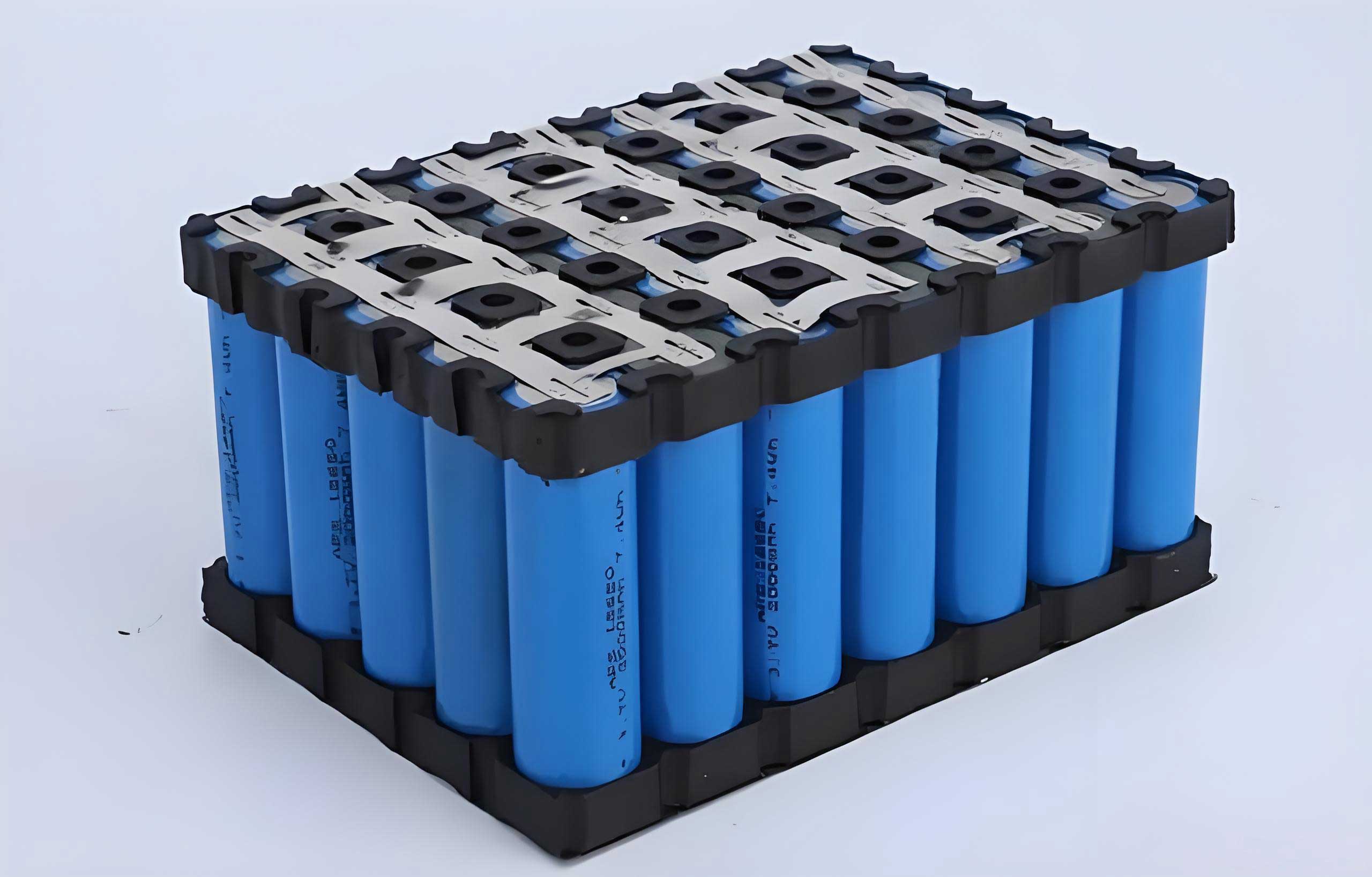
Current recycling strategies for spent LiFePO4 cathode materials predominantly fall into two categories: pyrometallurgy and hydrometallurgy. While pyrometallurgical processes are relatively straightforward, they are energy-intensive and often result in poor selectivity and recovery rates for lithium. Hydrometallurgical routes, involving acid leaching followed by separation and purification, are more widely adopted due to their lower operational temperatures, higher purity products, and better lithium recovery. Conventionally, inorganic acids like sulfuric acid (H2SO4) or hydrochloric acid (HCl) are employed as leaching agents. However, these methods are associated with significant drawbacks, including the generation of corrosive fumes (e.g., SOx, Cl2), large volumes of saline wastewater requiring complex treatment, and high equipment corrosion rates, which raise both environmental concerns and operational costs.
To mitigate these issues, the use of organic acids as greener leaching alternatives has gained considerable attention. Organic acids such as citric acid, oxalic acid, acetic acid, and ascorbic acid offer several advantages: they are typically less corrosive, produce fewer harmful by-products, and their spent solutions can be more easily treated or even biodegraded. Furthermore, some organic acids can act as complexing agents, potentially enhancing metal dissolution. In this context, a mixed organic acid system was investigated to potentially synergize the benefits of individual acids. Specifically, gluconic acid, known for its strong complexing ability, and tartaric acid, an effective chelating agent, were selected to form the leaching medium for recovering valuable metals from spent LiFePO4 battery cathode powder.
To further intensify the leaching process and overcome diffusion limitations, ultrasound was introduced. Ultrasonic irradiation generates acoustic cavitation—the formation, growth, and implosive collapse of micro-bubbles in a liquid. This phenomenon creates localized extreme conditions of high temperature and pressure, along with intense micro-jetting and shear forces. In solid-liquid reactions, ultrasound can effectively break down particle agglomerates, erode surface passivation layers, increase the solid-liquid interfacial area, and enhance mass transfer, thereby potentially increasing leaching rates and reducing process time.
This study presents a comprehensive investigation into the ultrasonic-assisted, selective leaching of lithium from spent LiFePO4 cathode material using an environmentally benign mixture of gluconic acid and tartaric acid, with hydrogen peroxide (H2O2) as an oxidizing agent. The primary objective was to achieve high lithium extraction while leaving iron in the solid residue as a potentially valuable by-product (e.g., FePO4). The effects of key operational parameters, including ultrasonic power, organic acid concentrations, liquid-to-solid ratio, leaching temperature, and time, were systematically evaluated. The leaching residues were characterized to understand the phase transformations. Finally, kinetic modeling was performed to elucidate the rate-controlling mechanism of the lithium leaching process under the synergistic action of the mixed organic acids and ultrasound.
1. Materials and Experimental Methods
1.1. Raw Materials and Characterization
The raw material used in this study was black powder obtained from manually dismantled and processed spent LiFePO4 batteries. The powder was primarily composed of the active cathode material, with conductive carbon and binder residues largely removed during preliminary treatment. The chemical composition of the powder, determined by Inductively Coupled Plasma Optical Emission Spectrometry (ICP-OES), is presented in Table 1. The major metallic components were iron, phosphorus, and lithium, aligning with the stoichiometry of LiFePO4. Trace amounts of other metals like aluminum, manganese, nickel, and cobalt were also detected, likely originating from battery casing impurities or other cell components.
| Element | Fe | P | Li | Al | Mn | Ni | Co |
|---|---|---|---|---|---|---|---|
| Content (wt.%) | 28.52 | 18.79 | 3.82 | 0.37 | 0.16 | 0.015 | 0.014 |
X-ray diffraction (XRD) analysis confirmed that the main crystalline phase in the powder was olivine-structured LiFePO4 (JCPDS card no. 40-1499), with no significant impurities detected. Scanning electron microscopy (SEM) images revealed that the powder particles had a smooth surface with minimal agglomeration and an average particle size of approximately 0.9 µm, indicating a well-liberated active material suitable for leaching.
1.2. Reagents and Apparatus
All chemical reagents used, including gluconic acid (C6H12O7), tartaric acid (C4H6O6), and hydrogen peroxide (H2O2, 30 wt.%), were of analytical grade. Deionized water was used for preparing all solutions. The experimental setup consisted of an ultrasonic bath (KM-1030C type) with adjustable power (0-650 W) and frequency (40 kHz), a thermostatically controlled water bath for temperature regulation, a magnetic stirrer, and a peristaltic pump for controlled addition of hydrogen peroxide. Filtration was performed using a vacuum pump. The concentrations of lithium and iron in the leachate were analyzed by ICP-OES.
1.3. Leaching Procedure and Principle
In a typical experiment, 10 g of the spent LiFePO4 cathode powder was placed in a conical flask. A predetermined volume of deionized water was added to achieve the desired liquid-to-solid (L/S) ratio (mL/g). Calculated amounts of solid gluconic acid and tartaric acid were then added to the slurry to obtain the target concentrations. The mixture was homogenized using magnetic stirring. The flask was then placed in the ultrasonic bath, which was maintained at the set temperature. To initiate the reaction, a 3 mol/L H2O2 solution was slowly added to the mixture via the peristaltic pump. The leaching reaction was allowed to proceed for a specified duration under continuous ultrasound irradiation and mechanical stirring. After leaching, the slurry was immediately vacuum-filtered. The leachate was collected for metal concentration analysis, and the solid residue was washed with deionized water and dried for further characterization.
The underlying leaching mechanism involves a combined action of acid dissolution and oxidation. The organic acids (HA) provide protons (H+) that attack the LiFePO4 crystal structure, releasing Li+ and Fe2+ into solution, with phosphate converting to H2PO4− or HPO42−:
$$ \text{LiFePO}_4 + 2\text{HA} \rightarrow \text{Li}^+ + \text{Fe}^{2+} + \text{H}_2\text{PO}_4^- + 2\text{A}^- $$
Simultaneously, hydrogen peroxide acts as an oxidant, converting the dissolved ferrous ions (Fe2+) to ferric ions (Fe3+):
$$ 2\text{Fe}^{2+} + \text{H}_2\text{O}_2 + 2\text{H}^+ \rightarrow 2\text{Fe}^{3+} + 2\text{H}_2\text{O} $$
The generated Fe3+ ions subsequently react with phosphate species in the acidic medium to precipitate as insoluble ferric phosphate (FePO4·xH2O):
$$ \text{Fe}^{3+} + \text{H}_2\text{PO}_4^- + 2\text{H}_2\text{O} \rightarrow \text{FePO}_4\cdot 2\text{H}_2\text{O} \downarrow + 3\text{H}^+ $$
This in-situ oxidation-precipitation is crucial for the selective recovery process. It removes iron from the solution, driving the dissolution equilibrium of LiFePO4 forward (according to Le Chatelier’s principle) and concurrently producing a solid FePO4 residue that can be potentially regenerated as a precursor for new cathode material. The role of ultrasound is to enhance all these steps by improving reagent mixing, accelerating surface renewal, and promoting the detachment of precipitated FePO4 from the reacting particle surfaces.
The leaching efficiency for a target metal (M = Li or Fe) was calculated using the following equation:
$$ \eta_M (\%) = \frac{C_M \times V}{m \times w_M} \times 100 $$
where \( C_M \) is the concentration of metal M in the leachate (g/L), \( V \) is the volume of the leachate (L), \( m \) is the mass of the spent cathode powder used (g), and \( w_M \) is the mass fraction of metal M in the original powder (wt.%).
2. Results and Discussion: Parameter Optimization
2.1. Effect of Ultrasonic Power
The influence of ultrasonic power on the leaching efficiency of Li and Fe was investigated first. The experiments were conducted with fixed conditions: [Gluconic Acid] = 0.5 mol/L, [Tartaric Acid] = 1.0 mol/L, [H2O2] = 3 mol/L, L/S ratio = 6:1 mL/g, temperature = 60 °C, and time = 90 min. The ultrasonic power was varied from 0 W (conventional stirring only) to 600 W.
The results, summarized in Table 2, demonstrate a pronounced ultrasonic intensification effect on lithium leaching. Without ultrasound, the lithium extraction was 92.5%. The introduction of ultrasound at 300 W significantly increased the lithium recovery to approximately 97%. A further increase in ultrasonic power to 600 W yielded a lithium leaching efficiency exceeding 99%. In contrast, the iron content in the leachate remained very low (<3%) across all power levels, confirming the effectiveness of the H2O2-induced precipitation of iron as FePO4.
| Ultrasonic Power (W) | Li Leaching Efficiency (%) | Fe Leaching Efficiency (%) |
|---|---|---|
| 0 (Stirring only) | 92.5 | ~2.5 |
| 300 | ~97.0 | ~2.3 |
| 450 | ~98.5 | ~2.4 |
| 600 | >99.1 | ~2.5 |
The enhancement mechanism is attributed to ultrasonic cavitation. The implosion of cavitation bubbles near the solid particle surfaces generates micro-jets that effectively remove the precipitated FePO4 layer and any surface impurities, constantly exposing fresh LiFePO4 material to the leaching solution. This mechanical effect disrupts diffusion barriers and significantly increases the active surface area for reaction. Based on these results, an ultrasonic power of 600 W was selected for subsequent experiments to maximize lithium recovery.
2.2. Effect of Mixed Organic Acid Concentration
The synergistic effect of the gluconic-tartaric acid mixture was systematically studied. First, the individual performance of each acid at 1.0 mol/L was tested. As shown in Table 3, neither acid alone provided satisfactory lithium recovery under the given conditions (67.6% for gluconic acid and ~85% for tartaric acid). This highlights the limitation of single organic acids for efficiently breaking down the stable olivine structure of LiFePO4.
The concentration of gluconic acid was then varied from 0.2 to 0.5 mol/L while maintaining a constant tartaric acid concentration of 1.0 mol/L. The results clearly indicate a positive synergistic effect. The lithium leaching efficiency increased steadily with increasing gluconic acid concentration, reaching an optimal value of 99.1% at a ratio of 0.5 M gluconic acid to 1.0 M tartaric acid. The iron leaching remained consistently low, affirming the selectivity of the process.
| Gluconic Acid (mol/L) | Tartaric Acid (mol/L) | Li Leaching Efficiency (%) | Fe Leaching Efficiency (%) |
|---|---|---|---|
| 1.0 | 0.0 | 67.6 | <1.0 |
| 0.0 | 1.0 | ~85.0 | ~2.0 |
| 0.2 | 1.0 | ~90.5 | ~2.1 |
| 0.3 | 1.0 | ~95.2 | ~2.2 |
| 0.4 | 1.0 | ~97.8 | ~2.3 |
| 0.5 | 1.0 | >99.1 | ~2.5 |
This synergy can be explained by the complementary roles of the two acids. Tartaric acid, a dicarboxylic acid, is a strong chelating agent that can form stable complexes with metal ions, potentially assisting in pulling Fe2+ out of the lattice. Gluconic acid, with its multi-hydroxyl structure, is an excellent sequestering and reducing agent. It may help in stabilizing the solution chemistry and could also participate in reductive reactions that subtly aid in the destabilization of the Fe-O bonds in the LiFePO4 structure. Together, they create a more effective lixiviant than the sum of their individual parts. The optimal mixed acid system was therefore determined to be 0.5 mol/L gluconic acid + 1.0 mol/L tartaric acid.
2.3. Effect of Leaching Temperature
Temperature is a critical parameter affecting reaction kinetics and equilibrium. Experiments were conducted in the range of 40 to 70 °C, with other parameters fixed at their optimal values: Ultrasonic power = 600 W, [Gluconic Acid] = 0.5 mol/L, [Tartaric Acid] = 1.0 mol/L, [H2O2] = 3 mol/L, L/S = 6:1, time = 90 min.
The data in Table 4 shows that increasing temperature from 40 to 60 °C had a beneficial effect on lithium recovery, which increased from ~95% to over 99%. This is expected, as higher temperatures increase the kinetic energy of molecules, leading to more frequent and energetic collisions, faster diffusion rates, and enhanced chemical reaction rates. The iron leaching showed a slight initial increase but remained below 3% up to 60 °C. However, at 70 °C, a noticeable increase in iron dissolution was observed (~8%). This could be due to the increased thermal decomposition rate of H2O2 at higher temperatures, reducing its effective concentration for instantaneously oxidizing Fe2+, or due to changes in the solubility or stability of the precipitated FePO4. Furthermore, operating at 70 °C leads to significant water evaporation, which is energy-intensive and undesirable from a process economics standpoint. Therefore, 60 °C was selected as the optimal leaching temperature, balancing high lithium recovery, good iron rejection, and energy efficiency.
| Temperature (°C) | Li Leaching Efficiency (%) | Fe Leaching Efficiency (%) |
|---|---|---|
| 40 | ~95.0 | ~1.8 |
| 50 | ~97.5 | ~2.2 |
| 60 | >99.1 | ~2.5 |
| 70 | >99.2 | ~8.0 |
2.4. Effect of Leaching Time
The evolution of leaching efficiency with time was studied from 30 to 120 minutes at the optimized conditions (Ultrasonic 600W, Acids: 0.5M G + 1.0M T, H2O2 3M, L/S=6, T=60°C). The results are presented in Table 5.
| Time (min) | Li Leaching Efficiency (%) | Fe Leaching Efficiency (%) |
|---|---|---|
| 30 | ~85.0 | ~1.5 |
| 60 | ~96.5 | ~2.2 |
| 90 | >99.1 | ~2.5 |
| 120 | >99.2 | ~2.6 |
A rapid increase in lithium extraction occurred within the first 90 minutes, after which the curve plateaued. The leaching efficiency reached over 99% at 90 minutes, and extending the time to 120 minutes provided negligible additional benefit. The iron leaching followed a similar trend but at a much lower absolute level. The plateau suggests that the leaching reaction approached completion within 90 minutes under these intensified conditions. Selecting 90 minutes as the optimal time achieves maximum lithium recovery while minimizing energy consumption and potentially increasing process throughput.
2.5. Summary of Optimal Conditions
Based on the systematic investigation, the optimal conditions for the ultrasonic-assisted selective leaching of lithium from spent LiFePO4 cathode powder using the mixed gluconic-tartaric acid system are consolidated below:
| Parameter | Optimal Value |
|---|---|
| Ultrasonic Power | 600 W |
| Gluconic Acid Concentration | 0.5 mol/L |
| Tartaric Acid Concentration | 1.0 mol/L |
| Hydrogen Peroxide Concentration | 3 mol/L |
| Liquid-to-Solid Ratio (mL/g) | 6:1 |
| Leaching Temperature | 60 °C |
| Leaching Time | 90 min |
| Result | Li Efficiency >99.1%, Fe Efficiency ~2.5% |
3. Characterization of Leaching Residue and Reaction Mechanism
3.1. Phase and Morphological Analysis
The solid residue obtained after leaching under optimal conditions was analyzed by XRD and SEM. The XRD pattern of the fresh residue (dried at low temperature) showed the primary phases to be FePO4·2H2O (strengite) and a minor phase of Fe(H2PO4)2·2H2O. The presence of the ferrous phosphate dihydrate phase indicates that a very small fraction of the iron was not oxidized, which is consistent with the trace amount of iron found in the leachate (~2.5%). Peaks corresponding to the original LiFePO4 were absent, confirming near-complete dissolution of the cathode material.
To convert the hydrated phosphate into a more stable and valuable form, the residue was subjected to heat treatment at 700 °C for 3 hours. Post-treatment XRD analysis revealed that the residue had transformed into highly crystalline, anhydrous FePO4 (heterosite structure, JCPDS card no. 29-0715) with sharp diffraction peaks and no detectable impurities. This thermal treatment effectively removed crystallization water and produced a material that is a direct precursor for the synthesis of new LiFePO4 cathode material via a solid-state or hydrothermal route, demonstrating the potential for closed-loop recycling.
SEM observations revealed a significant change in morphology after heat treatment. The as-leached residue appeared as agglomerates of fine platelets typical of hydrated phosphate precipitates. After calcination at 700°C, the particles sintered and recrystallized into larger, more defined crystalline particles of FePO4. The comparison between residues obtained from conventional stirring and ultrasonic-assisted leaching showed minimal difference in chemical composition (both were primarily FePO4 after calcination), but the ultrasonic process likely produced a finer and less agglomerated initial precipitate due to the intense micro-mixing, which subsequently affected the particle growth during calcination.
3.2. Leaching Kinetics and Rate-Controlling Step
To gain deeper insight into the reaction mechanism, kinetic analysis of the lithium leaching data was performed. The shrinking core model (SCM) is widely used to describe fluid-solid reactions like leaching. The model considers different potential rate-controlling steps, each associated with a specific kinetic equation:
- Diffusion through the liquid film (Film Diffusion Control):
$$ x = k_f t $$ - Diffusion through the product/ash layer (Ash Layer Diffusion Control):
$$ 1 – \frac{2}{3}x – (1 – x)^{2/3} = k_d t $$ - Chemical reaction at the shrinking core surface (Chemical Reaction Control):
$$ 1 – (1 – x)^{1/3} = k_r t $$
Where \( x \) is the fractional conversion (leaching efficiency), \( t \) is time, and \( k_f \), \( k_d \), and \( k_r \) are the apparent rate constants for the respective controlling mechanisms.
The experimental data for lithium leaching at 60°C was fitted to these three models. The quality of the fit was assessed by the linear correlation coefficient (R2). The results are presented in Table 6.
| Kinetic Model | Linear Plot | Correlation Coefficient (R²) at 60°C |
|---|---|---|
| Film Diffusion Control | x vs. t | 0.9785 |
| Ash Layer Diffusion Control | 1 – (2/3)x – (1-x)^(2/3) vs. t | 0.9612 |
| Chemical Reaction Control | 1 – (1-x)^(1/3) vs. t | 0.9957 |
The highest correlation coefficient (R2 = 0.9957) was obtained for the chemical reaction control model. This was further validated by plotting \( 1 – (1 – x)^{1/3} \) against time for different temperatures (50, 60, 70°C), all of which yielded excellent linear fits with R2 > 0.984. This strongly indicates that the surface chemical reaction is the rate-controlling step for the dissolution of lithium from the spent LiFePO4 particles under the studied conditions.
This finding has important implications. It suggests that the overall leaching rate is governed by the breaking of chemical bonds (e.g., Li-O, Fe-O-P) at the interface between the solid LiFePO4 and the mixed organic acid solution. The role of ultrasound, in this case, is not primarily to overcome external diffusion limitations (which would be film diffusion control) but to continuously remove the insoluble FePO4 product layer that forms on the particle surface. By preventing the buildup of this ash layer, ultrasound ensures that the chemical reaction always occurs on a freshly exposed surface, thereby maintaining the reaction-controlled regime at its maximum possible rate. Without ultrasound, the precipitated layer might create an increasing diffusion barrier, potentially causing a shift towards ash-layer diffusion control and slowing down the overall process, as hinted by the slightly lower efficiency (92.5%) in the absence of ultrasonication.
The apparent rate constant \( k_r \) increased with temperature. Using the Arrhenius equation, the apparent activation energy (Ea) for the leaching process can be estimated:
$$ k_r = A \exp\left(-\frac{E_a}{RT}\right) $$
where \( A \) is the pre-exponential factor, \( R \) is the gas constant, and \( T \) is the absolute temperature. The calculated activation energy was found to be in a range typical for chemically controlled processes (often > 40 kJ/mol), further corroborating the kinetic model findings.
4. Conclusion
This study successfully demonstrated an efficient and environmentally friendly process for the selective recovery of lithium from spent LiFePO4 battery cathode material. The combination of a gluconic acid-tartaric acid mixture as the lixiviant, hydrogen peroxide as the oxidant, and ultrasound as the process intensification method proved highly effective.
The optimized conditions yielded an exceptional lithium leaching efficiency exceeding 99%, while successfully precipitating over 97% of the iron within the solid residue as FePO4·xH2O. Ultrasound played a critical role in enhancing the leaching kinetics, primarily by mitigating product layer passivation and ensuring the chemical reaction remained the rate-limiting step. Kinetic analysis confirmed that the leaching process is controlled by the chemical reaction at the particle surface.
The leached residue, after a simple thermal treatment, was converted into high-purity, crystalline FePO4, which is a direct precursor for the manufacture of new cathode material. This aligns perfectly with the principles of a circular economy for LiFePO4 batteries.
The proposed mixed organic acid ultrasonic leaching process offers significant advantages over traditional inorganic acid methods, including reduced corrosion, lower environmental impact, and the production of a valuable by-product. It presents a promising and sustainable hydrometallurgical route for the recycling of spent LiFePO4 batteries, contributing to the responsible management of critical resources in the lithium-ion battery industry.