
The pursuit of “dual carbon” goals has propelled China’s new energy sector into a phase of accelerated development, leading to a dramatic surge in the demand for lithium-ion batteries (LIBs). Recognized for their compact size, light weight, high energy density, rapid charge-discharge rates, long cycle life, and stable performance, LIBs have become ubiquitous in portable electronics, electric vehicles (EVs), and energy storage systems. Statistics indicate that China’s total output of LIBs reached approximately 960 GWh in 2023, marking a 31% year-on-year increase. Notably, LIBs for power batteries accounted for about 778.1 GWh, representing nearly four-fifths of the total output and a growth rate of 42.5%. However, influenced by factors such as battery structure, material properties, and usage conditions, lithium-ion power batteries typically reach their end-of-life (EOL) and are retired after 3–5 years of service. It is projected that by 2025, the annual volume of retired lithium power batteries in China will reach 80 GWh, with a cumulative retirement volume hitting 274 GWh. Considering both environmental protection and resource circulation, recovering valuable elements from spent LIBs holds significant strategic importance for reducing battery production costs, alleviating resource consumption, and minimizing environmental pressure.
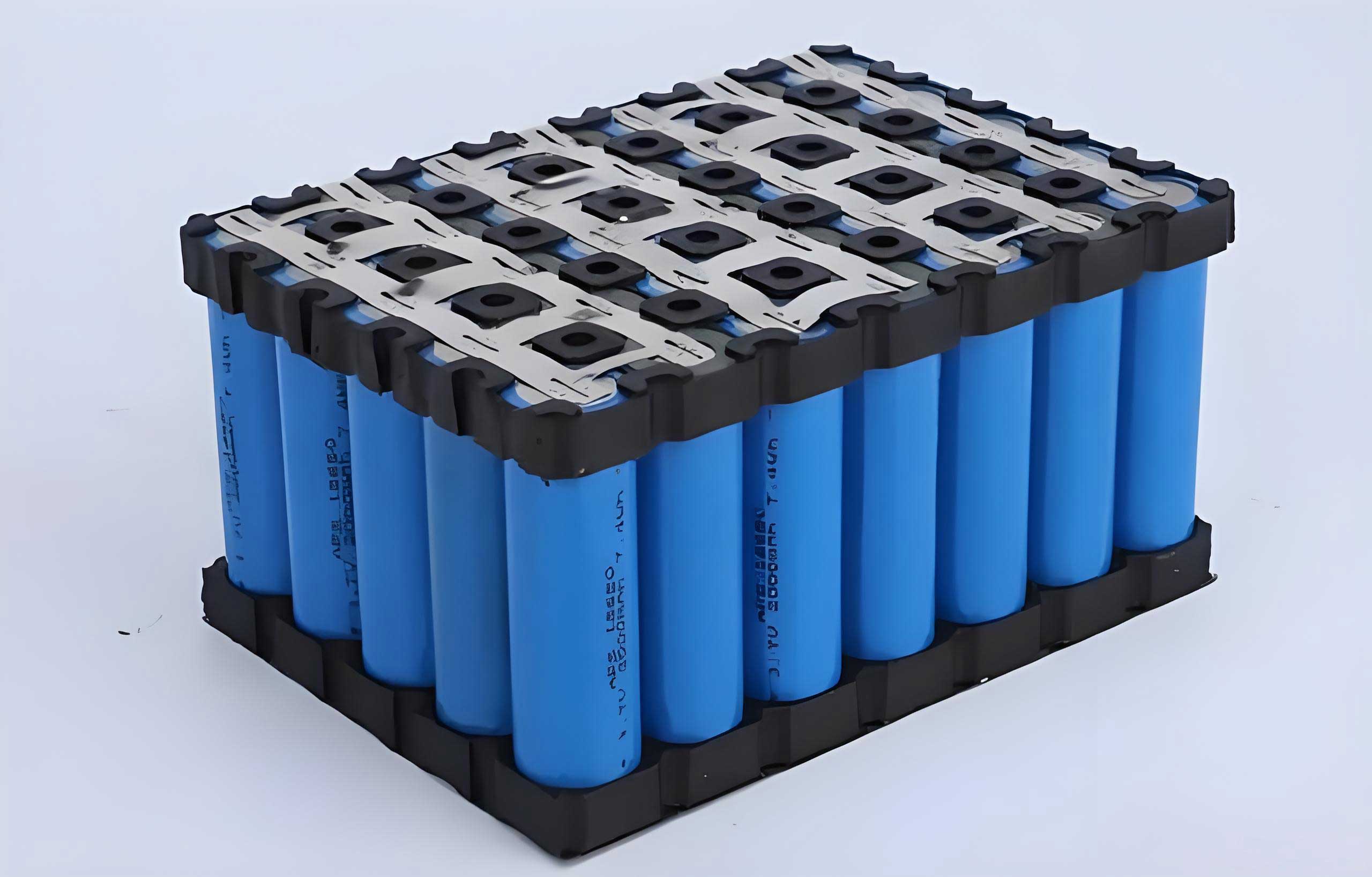
The LiFePO4 battery, which uses lithium iron phosphate (LiFePO4) as its cathode active material, is a prominent type of LIB. Due to its high theoretical specific capacity, low cost, exceptional longevity, and superior thermal stability, the LiFePO4 battery is extensively employed in large electric vehicles, hybrid vehicles, and some low-cost small EVs, commanding a substantial market share within China’s power battery industry. A typical LiFePO4 battery is composed of a cathode, anode, electrolyte, polymer separator, and casing. The cathode material itself is a composite comprising the active component LiFePO4, conductive carbon black, a polyvinylidene fluoride (PVDF) binder, and an aluminum foil current collector. Research focused on the active component LiFePO4 is therefore paramount for achieving efficient recycling of spent LiFePO4 batteries.
This article provides a systematic review of recent advancements in the recycling and reuse of cathode materials from spent LiFePO4 batteries. It encompasses major technological routes, including direct regeneration, pyrometallurgy, and hydrometallurgy, with a particular emphasis on the hydrometallurgical processes involving valuable element leaching, leachate purification, and product synthesis. In light of prevalent challenges in current hydrometallurgical practices—such as the predominant focus on lithium recovery and the inadequate utilization of iron and phosphorus resources—potential solutions and future perspectives are proposed. The aim is to offer a comprehensive reference and engineering insights for promoting the efficient, clean, and high-value recycling of spent LiFePO4 batteries.
1. Direct Regeneration of Spent LiFePO4 Cathode Materials
During the extended service life of power batteries, the degradation of LiFePO4 batteries is primarily attributed to capacity fade resulting from active lithium loss, which leads to damage in the crystalline structure of LiFePO4. Consequently, replenishing the lost lithium is considered a critical factor in regenerating LiFePO4 materials. Direct regeneration refers to the repair of compositional and structural defects in the cathode material from spent LiFePO4 batteries without destroying the fundamental LiFePO4 framework. This approach, categorized mainly into high-temperature solid-state repair and hydrothermal synthesis techniques, has been widely explored for the restoration of spent LiFePO4 cathodes.
The high-temperature solid-state technique involves a heat treatment process where a carbon source is added to assist in establishing a reducing atmosphere. This helps repair the damaged crystal structure, and the supplemented lithium atoms effectively diffuse into the lithium vacancies within the cathode particles, ultimately restoring the electrochemical activity of the failed LiFePO4. For instance, multifunctional organic salts can serve simultaneously as both lithium and carbon sources, while inorganic salts can act as lithium sources with an additional carbon source, both successfully restoring the electrochemical performance of degraded LiFePO4. However, as the repair mechanism relies on solid-state reactions, achieving product homogeneity is challenging. Furthermore, this process is energy-intensive, requiring high temperatures that can lead to lithium sublimation, posing significant issues that need resolution.
To obtain nano-sized, uniformly particulate, and compositionally homogeneous materials, researchers have employed hydrothermal synthesis technology, which facilitates reactions in a solution medium, for regenerating spent LiFePO4 materials. The principle is similar to the solid-state method but differs in using water as the solvent within a sealed autoclave. Lithium-containing solutions are used to supplement the lithium content in the spent cathode material, enabling regeneration. Studies have utilized LiOH or Li2SO4·H2O as lithium sources, coupled with high-potency reductants like L-ascorbic acid or N2H4·H2O, resulting in regenerated LiFePO4 with discharge capacities of 141.9/147.9 mAh·g⁻¹ at 1C. While effective, these reductants are costly. Alternative research employed the low-cost Na2SO3 as a reductant within a Li2SO4 solution system for hydrothermal regeneration. The resulting LiFePO4 material achieved a reversible capacity of 135.9 mAh·g⁻¹ at 1C and maintained a 99% capacity retention after 100 cycles at this rate, demonstrating both significant economic viability and cycling stability. However, compared to traditional high-temperature solid-state methods, hydrothermal synthesis poses severe safety risks due to the requirement for high-pressure systems, rendering it currently unsuitable for practical industrial-scale production.
In summary, while direct regeneration offers a viable route for recycling spent LiFePO4 by directly repairing degraded batteries through lithium replenishment, it faces considerable hurdles. High-temperature solid-state repair typically demands significant energy input to reconstruct the metal framework, whereas hydrothermal synthesis is fraught with safety concerns. Additionally, the core mechanism of “lithium supplementation” in direct regeneration is currently incapable of addressing residual impurities from the battery, which can adversely affect the performance of the regenerated cells. Overcoming these limitations is a key focus for future research.
2. Pyrometallurgical Recovery of Spent LiFePO4 Cathode Materials
Apart from direct repair, another common approach for recycling spent LiFePO4 involves dismantling its structure through various methods to recover the constituent valuable elements. Pyrometallurgical recovery is a process that converts spent LiFePO4 cathode materials into metals or alloys via high-temperature treatment. This technique can replace the heat treatment step in pretreatment to decompose the PVDF binder, thereby separating aluminum from LiFePO4. It is often combined with subsequent hydrometallurgical processing. For example, companies in Japan have adopted a combined pyrometallurgical-hydrometallurgical method for recycling spent LIBs. During calcination at temperatures around 1000°C, plastics, binders, and electrolytes are decomposed, leaving metal components and active materials. Elements like iron, copper, and aluminum are separated based on their magnetic properties, while other active materials are forwarded for further hydrometallurgical recovery.
Pyrometallurgical processes are favored by many enterprises due to their simplicity and high production efficiency. However, the calcination temperatures typically exceed 800°C, leading to high energy consumption and the generation of volatile hazardous gases like hydrogen fluoride (HF).
To lower the reaction temperature of pyrometallurgical processes, salts can be employed as activators to assist roasting. Studies have utilized NaOH or NaOH/Na2CO3 mixtures as activators, successfully decomposing the Fe-PO4 bonds in spent LiFePO4 cathode materials at temperatures as low as 150°C and 600°C/900°C, respectively, yielding lithium salts and iron or iron oxides. The iron products can be separated via magnetic separation, and the lithium salts can be further converted into products like Li3PO4 and Li2CO3 through hydrometallurgy. Furthermore, other green and non-toxic solid salt agents, such as Na2SO4 and NaHSO4·H2O, have also been investigated as activators for the pyrometallurgical recovery of LiFePO4. Nevertheless, these salt-assisted methods remain largely at the laboratory stage.
In conclusion, pyrometallurgy represents a significant pathway for recycling spent LiFePO4 batteries, with industrial applications primarily relying on the established model of high-temperature roasting coupled with hydrometallurgy. To overcome the inherent limitations of high energy consumption and harmful emissions, researchers are actively exploring low-temperature strategies such as molten salt-assisted roasting. Although these innovative methods show promise at the laboratory level for reducing reaction temperatures and mitigating environmental impact, translating them into stable, economical, and environmentally benign large-scale industrial technologies still requires overcoming key challenges, including salt agent recovery, equipment corrosion, and process scale-up.
3. Hydrometallurgical Recovery of Spent LiFePO4 Cathode Materials
Hydrometallurgical processing is the dominant technological route for recovering active material from spent LiFePO4 cathode black mass. This route involves leaching valuable components into a solution and subsequently employing specific techniques for their effective separation and recovery, either as individual metal salts, regenerated cathode materials, or other high-value-added products. A typical hydrometallurgical recycling flowsheet generally comprises four key stages: (1) pretreatment, (2) leaching of valuable components, (3) purification of the leachate to remove impurities, and (4) recovery of valuable components.
3.1 Pretreatment
Prior to hydrometallurgical processing, effective recycling of cathode materials from spent LiFePO4 batteries necessitates pretreatment to separate the active material from other components like binders and aluminum foil, thereby obtaining purified LiFePO4 and enhancing the efficiency of subsequent recovery steps. The standard industrial pretreatment process for LiFePO4 batteries typically includes discharge, dismantling, and separation stages. First, residual charge is released from the spent batteries via chemical or physical discharge methods to deactivate them safely. The discharged batteries are then manually dismantled to retrieve the cathode sheets containing the active material. Finally, techniques such as thermal treatment, molten salt separation, organic solvent dissolution, or solution-based separation are employed to delaminate the LiFePO4 from the aluminum foil current collector. On an industrial scale, mechanically shredded cathode sheets undergo精细化物理分选 (fine physical separation) to separate aluminum fragments from the cathode powder, yielding a black mass with a high concentration of cathode material. However, this mechanical-physical pretreatment inevitably introduces impurity elements such as fluorine (from electrolyte/binder), aluminum (from foil), magnesium, manganese, calcium, and titanium into the resulting powder. Among these, aluminum, originating from the foil, is particularly problematic as it can readily incorporate into the FePO4 lattice to form a Fe1-xAlxPO4 solid solution, making it one of the most challenging impurities to remove deeply. Simultaneously, achieving the high purity standards required for battery-grade regenerated FePO4 necessitates deep purification within this complex multi-impurity system, a process that often leads to significant losses of iron and phosphorus. These factors collectively diminish the economic viability of iron and phosphorus recovery, forming a critical bottleneck that constrains the overall economic efficiency of recycling LiFePO4 battery materials.
3.2 Leaching of Valuable Components
Based on the underlying leaching principles, the dissolution of LiFePO4 cathode material can be categorized into two main types: total element leaching and selective leaching.
Total Element Leaching: Digesting the spent LiFePO4 cathode black mass with acid solutions enables the leaching of all metallic elements. Inorganic acids are commonly used lixiviants capable of dissolving nearly all metal elements from spent LiFePO4. Strong inorganic acids like HCl, H2SO4, and HNO3 have been widely applied. However, due to the stability of the LiFePO4 olivine structure, excess strong acid is often required to break it down, inevitably leading to high alkali consumption for subsequent neutralization. This generates large volumes of saline wastewater, increasing the burden and cost of effluent treatment. Therefore, developing alternative leaching systems that achieve high metal extraction while significantly reducing acid consumption and environmental impact is a research priority. In this regard, milder H3PO4 solutions, assisted by mechanochemical activation, have been explored to enhance the leaching of valuable metals from spent LiFePO4, achieving high extraction efficiencies for iron (97.67%) and lithium (94.29%) while reducing environmental impact.
Besides inorganic acids, widely available and biodegradable organic acids are also frequently used as lixiviants for spent LiFePO4. Common organic acids include formic acid, acetic acid, oxalic acid, and citric acid. They can function as chelating agents, reducing agents, precipitating agents, or simply as the leaching medium. For instance, to achieve preliminary separation of lithium from iron, H2C2O4 has been chosen as both the leaching agent and precipitant. Under optimal conditions, lithium extraction reached 98%, while approximately 92% of the iron precipitated as FeC2O4·2H2O. This approach simplifies the process and avoids the use of large quantities of strong inorganic acids. However, the relatively high cost of organic acids and the still-evolving understanding of their complex leaching mechanisms mean that, despite promising laboratory-scale results, their practical industrial-scale application for spent LiFePO4 battery recycling requires further exploration.
Selective Leaching (Lithium Extraction): In contrast to organic acid leaching, which is still under laboratory investigation, oxidative lithium extraction technology, which selectively targets the high-value lithium element, has become the more widely adopted hydrometallurgical route for industrial application due to its higher process maturity and economic feasibility. As one of the earliest engineered technologies in LiFePO4 recycling, it has a relatively rich body of research. This technology leverages the stability of the FePO4 framework within LiFePO4. By oxidizing Fe2+ to Fe3+ in a strongly oxidizing solution environment (using oxidants like Na2S2O8, (NH4)2S2O8, NaClO, or H2O2), over 99% of the lithium in LiFePO4 can be selectively leached into solution. Compared to traditional total acid leaching, this method significantly reduces reagent consumption and wastewater generation. Therefore, current research primarily focuses on optimizing the oxidant system to further enhance efficiency and economy. Additionally, research has explored the use of inexpensive non-oxidative inorganic salts like NaCl or Fe2(SO4)3 to achieve selective lithium leaching via isomorphic substitution. In these methods, Li+ is selectively transferred to the aqueous phase, while iron and phosphorus are transformed into insoluble ferric phosphate (FePO4) reporting to the solid residue (often called “lithium-extraction residue” or “lithium slag”). The subsequent recovery and utilization of this iron-phosphorus-rich solid resource are crucial to avoid resource wastage and secondary pollution.
| Method | Advantages | Disadvantages |
|---|---|---|
| Ion Exchange | Low loss of Fe/P | High resin cost, complex operation |
| Solvent Extraction | Suitable for trace Al separation | High toxicity of organic reagents |
| Co-precipitation | Simple process | Severe loss of Fe/P resources |
| Reduction-Neutralization | Applicable at scale | High residue generation, P wastage |
| Fluoride Complexation | Simultaneous F removal, low resource loss | Requires precise control of Al/F ratio |
3.3 Purification and Impurity Removal from Leachates
During the hydrometallurgical leaching of spent LiFePO4 cathode material, impurity elements such as F–, Al3+, Ti4+, Mg2+, Mn2+, and Ca2+ co-dissolve alongside the target elements (Li, Fe, P). Among these, Al3+ (from aluminum foil), Ti4+ (from dopants), and F– (from electrolyte/binder) are the core impurities that constrain the preparation of high-performance regenerated materials and economical recovery, necessitating focused removal. Al3+ and Ti4+ are prone to incorporating into the FePO4 or LiFePO4 lattice to form solid solutions due to their ionic characteristics (similar radius of Al3+ to Fe3+; tendency of Ti4+ to co-precipitate). This not only disrupts product homogeneity and stability but severely impedes lithium-ion diffusion channels, significantly degrading the rate capability and reversible capacity of regenerated LiFePO4. F– negatively impacts the removal of Al3+ and the recovery of FePO4, may accelerate cathode material aging, increase Li+ migration resistance, and due to its high corrosiveness, can damage equipment and increase environmental burdens. In contrast, divalent impurities like Mg2+, Mn2+, and Ca2+ have been shown not to affect the synthesis of battery-grade FePO4 under controlled conditions and are therefore not the primary focus here. Thus, the efficient and selective removal of Al3+, Ti4+, and F– from the leachate is key to overcoming the Fe/P recovery bottleneck, obtaining high-purity battery-grade regenerated materials, and controlling costs.
1) Removal of Aluminum Impurity. Efficient removal of aluminum from leachates is a prerequisite for iron and phosphorus resource recovery. Current mainstream techniques include ion exchange, solvent extraction, and chemical precipitation, with the core challenge being the trade-off between the difficulty of Al/Fe separation and the need to retain iron resources.
2) Removal of Fluorine Impurity. Efficient removal of fluorine is crucial for inhibiting equipment corrosion and ensuring the performance of regenerated materials. Current research on defluorination must address both “fluoride removal” and “control of secondary pollution from fluorine resources.” Residual F– in leachates is often removed via multi-stage thermal decomposition during heat treatment, evolving as gaseous compounds like HF, PF5, POF3, and fluorine-containing hydrocarbons. While achieving >90% defluorination efficiency, this releases highly toxic gases, causing equipment corrosion and requiring costly off-gas treatment systems. Wet methods for fluoride removal from leachates are less studied for LiFePO4, with most research focused on drinking water and other industrial wastewater. Wet methods typically include chemical precipitation, adsorption, and ion exchange. Adsorption and ion exchange offer high selectivity for target ions, suitable for trace fluoride concentrations. However, in multi-anionic solutions, the presence of other anions like sulfate and phosphate leads to ion competition, making selective removal of trace fluoride difficult. Therefore, chemical precipitation using agents like aluminum salts, magnesium salts, iron salts, or calcium salts is commonly used in industrial wastewater treatment. Among these, aluminum salts can achieve faster solid-liquid separation via coagulation-adsorption. In the field of spent LIBs, polyaluminum sulfate has been used to precipitate most fluoride, followed by selective adsorption for low-concentration fluoride, achieving 97.5% defluorination. However, while low-cost, precipitation methods can introduce new ionic impurities, complicating purification. Integrating fluoride removal with aluminum removal processes, such as co-precipitating aluminum and fluoride to produce synthetic cryolite (e.g., Na3AlF6), could simultaneously address defluorination cost and secondary pollution, but requires optimization of precipitation kinetics and product purity control.
| Method | Advantages | Disadvantages |
|---|---|---|
| Thermal Treatment | Deep defluorination | Releases toxic gases, equipment corrosion |
| Adsorption/Ion Exchange | High selectivity, reusable | Phosphate competition, suitable only for trace F |
| Chemical Precipitation | Low cost, simple operation | Introduces new impurities, high residue volume |
3) Removal of Titanium Impurity. Titanium removal is critical for ensuring the performance of regenerated LiFePO4, but the similar precipitation characteristics of Ti4+ and Fe3+ make separation difficult. Existing techniques include extraction, hydrolysis precipitation, and induced crystallization. Extraction utilizes systems like P507/TBP to separate Ti4+/Fe3+ based on distribution ratio differences. With masking agents, a 4-stage cross-current extraction achieved 98.85% Ti4+ extraction. However, issues like phase separation difficulty, long extraction times, and non-degradable extractants persist. Hydrolysis precipitation exploits chemical property differences between Ti3+/Ti4+ and Fe2+/Fe3+ in medium/weak acid systems. Reducing Fe3+/Ti4+ to Fe2+/Ti3+ and adjusting pH precipitates Ti3+ as Ti(OH)3 (Ksp ≈ 10-40), achieving >98% Ti removal. Alternatively, reducing only Fe3+ to Fe2+ and adjusting pH precipitates Ti4+ as TiO(OH)2 (Ksp ≈ 1.0×10⁻²⁹), also achieving >95% Ti removal. While effective, these methods inevitably co-precipitate or entrain some iron, reducing FePO4 product yield. Subsequent seed-induced crystallization methods effectively circumvent iron loss. This method exploits the low solubility of titanium phosphates, using seeds (like amorphous phosphate) to adsorb Ti4+ and induce the crystallization of Ti(HPO4)2·H2O on the seed surface. For acidic solutions containing Ti4+ and Fe3+, amorphous phosphate seeds induced Ti precipitation with >80% Ti removal and <0.8% FePO4 loss. Furthermore, these seeds can simultaneously adsorb residual impurities like aluminum and copper with >80% removal. However, seed regeneration processes need optimization to reduce operational costs.
| Method | Advantages | Disadvantages |
|---|---|---|
| Solvent Extraction | Deep Ti removal | Phase separation issues, long time, non-degradable extractant |
| Hydrolysis Precipitation | Simple, low cost, easy control | Severe Fe loss, introduces new impurities (e.g., sulfate) |
| Induced Crystallization | Very low Fe loss, can co-adsorb Al, no secondary pollution | Complex seed preparation, seed regeneration needs optimization |
3.4 Recovery of Valuable Components
After dissolving metal ions into the leachate and removing impurities like Al, F, and Ti, the next objective is to recover high-value-added products from the purified solution or residues, namely LiFePO4 cathode material or its precursors, thereby achieving closed-loop recycling of LiFePO4 battery materials.
1) Recovery from Purified Leachate (Total Leaching Route). The leachate from a total element leaching process, after purification, is rich in lithium, iron, and phosphorus sources. These are typically recovered as FePO4, Li2CO3, or Li3PO4 to serve as precursors for synthesizing LiFePO4. For instance, after sulfuric acid leaching, pH adjustment can precipitate FePO4 first, followed by adding Na2CO3 to the filtrate to precipitate Li2CO3. Using phosphoric acid leaching assisted by mechanochemistry, elements can be recovered as FePO4·2H2O and Li3PO4. Although various methods have been proposed, the ubiquitous presence of impurities like Mg2+, Mn2+, Ca2+, and Ti4+ often results in FePO4 products that fail to meet battery-grade purity standards. Consequently, much of this research remains at the laboratory scale, with few reports on pilot-scale engineering applications for comprehensive recovery from spent LiFePO4 black mass. To address this, a strategy of preferentially precipitating battery-grade FePO4 under high-temperature and high-acidity conditions has been proposed. This effectively avoids the influence of Mg2+, Ca2+, Mn2+ on product purity, significantly simplifies impurity removal, and increases FePO4 recovery yield. Subsequently, lithium carbonate and lithium phosphate can be recovered via carbonate and phosphate precipitation, respectively, achieving efficient recovery of Fe, P, and Li, and has been successfully applied at pilot scale.
2) Recovery from Lithium-Extraction Residue (Selective Leaching Route). The most widely applied industrial hydrometallurgical process currently is selective leaching. This process oxidatively leaches Li+ from LiFePO4, then adds precipitants like Na2CO3 or Na3PO4 to recover high-value lithium as Li2CO3 or Li3PO4. The iron and phosphorus elements, constituting 30–40% of the cathode mass, report to the solid residue (lithium-extraction residue). This residue is often disposed of via low-value methods like open storage or use as cement additive, failing to achieve efficient resource utilization. Neglecting iron and phosphorus not only wastes resources but contradicts the principle of solid waste resource recovery and poses secondary environmental risks. Therefore, recovering iron and phosphorus from the lithium-extraction residue to regenerate battery-grade FePO4 is a key link in building a closed-loop LiFePO4 recycling system.
Regarding iron and phosphorus recovery, some studies propose converting the residue into purer iron salt products (e.g., Fe(OH)3, Fe2O3, FeC2O4). However, limitations such as low product value-added, complex flowsheets, and high operating costs dampen enthusiasm for large-scale industrial adoption. The effective recovery of phosphorus from the residue is also crucial for closed-loop recycling, necessitating the development of comprehensive iron-phosphorus utilization processes.
To achieve full recovery, researchers propose converting the residue into FePO4, the precursor for LiFePO4 synthesis. If aluminum foil is thoroughly separated during pretreatment, the resulting residue may have high Fe/P purity and can be used directly. For example, using H3PO4 and H2O2 to selectively leach lithium from delaminated LiFePO4 powder leaves FePO4 in the solid phase as a precursor for re-synthesizing LiFePO4. The regenerated material showed an initial discharge capacity of 138.9 mAh·g-1 at 0.5C with 93.6% capacity retention after 50 cycles.
However, due to the poor economics of manual foil delamination, industrially generated lithium-extraction residue typically contains aluminum and other impurities, making direct use for high-performance LiFePO4 synthesis difficult. For aluminum-bearing residue, techniques like magnetic separation, alkaline leaching, and acid leaching have been explored. Magnetic separation is simple and suitable for high-iron feed, but struggles to recover phosphorus and may incur high iron losses. Alkaline leaching exploits aluminum’s amphoteric nature (soluble in alkali) while LiFePO4 is insoluble, but is more suitable for impurity removal before lithium extraction. The most widely used method is acid leaching, dissolving the residue with concentrated acid followed by Al3+/Fe3+ separation via ion exchange, solvent extraction, or chemical precipitation. Compared to costly ion exchange and solvent extraction, chemical precipitation is more industrially attractive. However, simple concentrated acid leaching often results in high acid consumption and suboptimal Fe/P leaching efficiency. Introducing reductants like copper powder during acid leaching can reduce acid consumption and improve leaching rates while reducing Fe3+ to Fe2+, creating conditions for subsequent selective impurity separation. Yet, this necessitates re-oxidation of Fe2+ back to Fe3+ for FePO4 synthesis. The use of concentrated acid and the alternating addition of oxidants and reductants complicates the process, reduces economic efficiency, and generates significant wastewater. Therefore, simplifying the treatment of impure lithium-extraction residue to obtain high-purity FePO4 remains a major technical challenge.
| Category | Reagents | Leaching Efficiency | Products |
|---|---|---|---|
| Total Leaching | 0.65 mol·L-1 H3PO4; 0.33 mol·L-1 H2C2O4 | Li: 97.72%; Fe: 98.24% | LiFePO4 |
| 2.3 mol·L-1 H3PO4; 0.58 mol·L-1 Citric Acid | Li: 95.1%; Fe: 95.3%; P: 96.2% | ||
| Selective Li Leaching | 0.6 mol·L-1 HCl; NaClO | Li >95%; Fe <0.1% | Li2CO3; FePO4 |
| 0.3 mol·L-1 H2SO4; H2O2 | Li: 96.85%; Fe: 0.027%; P: 1.95% | Li3PO4; FePO4 | |
| 0.8 mol·L-1 HCOOH; 8 vol% H2O2 | Li: 99.9%; Fe: 0.05% | Li2CO3 | |
| 0.6 mol·L-1 H2SO4; 1.3 MPa O2 | Li: 97% | Li3PO4 | |
| 0.3 mol·L-1 H2SO4; Na2S2O8 | Li: 97.53%; Fe: 1.39%; P: 2.58% | Li2CO3; FePO4 |
4. Conclusions and Perspectives
As China’s lithium-ion power battery industry enters a period of rapid expansion, the recycling of large-scale retired batteries has become a critical challenge for the sustainable development of the new energy vehicle sector. The LiFePO4 battery, as a mainstream power battery type, has made the efficient recycling of its cathode material a focal point of current research. Presently, the recycling of spent LiFePO4 cathode materials relies primarily on three technology categories: direct regeneration, pyrometallurgical recovery, and hydrometallurgical recovery. Direct regeneration offers short process flows and low carbon emissions, maximizing the retention of material structural value, but it demands high feedstock purity. High-temperature solid-state methods are energy-intensive, while hydrothermal methods pose safety risks, making them difficult to scale for complex industrial waste. Pyrometallurgical processes are simple and compatible but suffer from high energy consumption and the generation of harmful gases like HF. Although molten salt-assisted methods can lower reaction temperatures, issues of salt recycling and equipment corrosion hinder their industrialization. Hydrometallurgical technology dominates due to its high selectivity and mature processes but faces two major bottlenecks: (1) In total leaching, impurities like Al3+, Ti4+, and F– incorporate into the FePO4 lattice, making it difficult to achieve battery-grade purity for the recovered FePO4; (2) Selective lithium extraction, while economically attractive, neglects the iron and phosphorus resources constituting over 70% of the cathode mass, leading to stockpiling of lithium-extraction residue and secondary pollution.
Therefore, how to achieve deep separation of impurities like aluminum, fluorine, and titanium while minimizing losses of target elements, and how to simplify the treatment of impure lithium-extraction residue to obtain high-purity FePO4, are urgent problems requiring breakthroughs. These are not merely technical difficulties but are key to realizing the strategic transition of spent LiFePO4 battery resource recovery from mere “recycling” to “high-value regeneration.” To achieve this transition, future research should focus on the following directions.
For direct regeneration technology, low-temperature processes and enhanced impurity tolerance are core pathways. There is a pressing need to develop novel low-temperature repair mechanisms, such as exploring the use of photocatalysis or deep eutectic solvents as milder means to significantly reduce energy consumption and avoid lithium volatilization at high temperatures. Simultaneously, the synergistic removal capability for impurities must be strengthened, for instance, by combining dry-wet cascade magnetic separation technologies to significantly reduce impurity carryover. Furthermore, actively expanding the performance upgrade potential of regenerated materials, such as exploring the conversion of spent LiFePO4 into superior-performance high-voltage solid solutions like LiFe0.5Mn0.5PO4, should be pursued to break the performance limits of virgin materials, achieving “regeneration as upgrading.”
In pyrometallurgical recovery, developing green low-temperature processes and solving molten salt cycling issues are imperative. This requires optimizing molten salt systems, researching novel salt agents with low eutectic points and high activity, and their efficient regeneration technologies to overcome the cost barrier of salt recycling. Concurrently, actively coupling with new energy power supply models, such as exploring the use of solar thermal concentration or arc heating as low-carbon heat sources for the roasting process, can significantly reduce the carbon intensity of this route. Additionally, deepening research on gaseous pollutant control is crucial, focusing on developing efficient, low-cost fluorine/phosphorus pollutant capture agents and exploring their resource utilization pathways from off-gases.
Hydrometallurgical technology needs to focus on constructing short process flows and achieving high-value utilization of all components. Innovating impurity separation strategies is the primary task, with emphasis on exploring new methods like fluoride complexation or seed-induced crystallization to achieve deep removal of aluminum, titanium, and other impurities, replacing traditional high-loss chemical precipitation. Accelerating the industrialization of technologies that co-precipitate aluminum and fluoride to produce synthetic cryolite (e.g., Na3AlF6) can achieve targeted recovery and closed-loop utilization of fluorine resources, turning waste into wealth. Simplifying the treatment of lithium-extraction residue is equally critical, requiring greater effort in the pretreatment stage, such as strengthening aluminum foil delamination techniques or developing intelligent sorting and purification methods for source reduction of aluminum impurities, creating conditions for the efficient purification of subsequent residue. Particularly important is the need to develop high-value-added recovery and utilization technology routes for lithium-extraction residue, applying the regenerated high-purity FePO4 to fields like lithium battery catalysts or other functional materials, significantly enhancing its economic value and expanding its application scenarios.
Looking ahead, the ultimate goal of recycling spent LiFePO4 batteries must shift from focusing on single-element extraction to the efficient, high-value regeneration of all lithium, iron, and phosphorus resources. This requires the collaborative innovation of three major technology systems: low-temperature direct regeneration, green pyrometallurgical recovery, and short-process hydrometallurgical recovery, ultimately building an efficient, closed-loop “recovery-regeneration-application” industrial ecosystem. Only through such systematic innovation and integration can we provide solid resource security for the green and sustainable development of the new energy vehicle industry and strongly support the national “Dual Carbon” strategic goals.