
In recent years, the rapid proliferation of electric vehicles and portable electronic devices has led to a significant increase in the production and consumption of lithium-ion batteries, particularly LiFePO4 batteries due to their safety, long cycle life, and environmental friendliness. However, the disposal of spent LiFePO4 batteries poses environmental challenges and resource wastage, as they contain valuable metals such as lithium. Traditional recycling methods, including hydrometallurgy and pyrometallurgy, often suffer from limitations such as high energy consumption, low selectivity for lithium recovery, and generation of hazardous by-products. Therefore, developing efficient and sustainable techniques for recovering lithium from spent LiFePO4 batteries is crucial. This study explores a novel combined process of “mechanochemical activation + leaching” for the selective recovery of lithium from spent LiFePO4 battery cathode materials. The process aims to enhance lithium leaching efficiency through mechanical activation, which alters the physicochemical properties of the cathode material, facilitating subsequent leaching reactions.
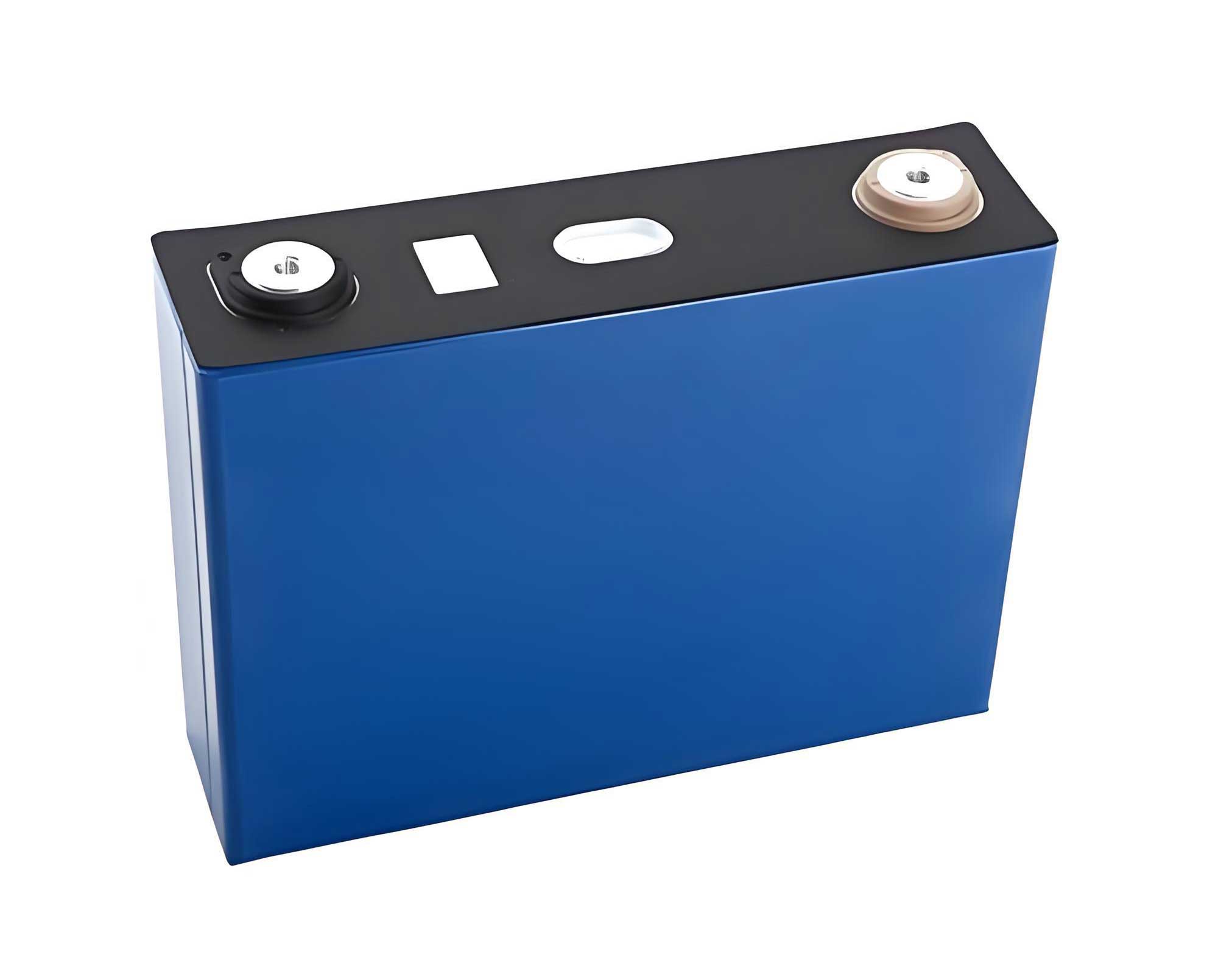
The cathode material in LiFePO4 batteries primarily consists of lithium iron phosphate (LiFePO4), which is a olivine-type structure. During battery cycling, lithium ions are extracted and inserted, but after end-of-life, the cathode material retains lithium that can be recovered. The mechanochemical activation process involves the use of mechanical energy to induce chemical reactions and structural changes in the material, often through ball milling. This activation can break down the crystalline structure of LiFePO4, increase surface area, and promote interactions with co-grinding agents, thereby improving lithium leaching efficiency. In this work, we investigate the effects of various parameters, including activation modes, ball milling conditions, and leaching parameters, on the lithium leaching rate. The goal is to optimize the process for maximum lithium recovery, with potential applications in synthesizing new LiFePO4 battery materials.
The importance of recycling spent LiFePO4 batteries cannot be overstated, as it contributes to resource conservation and reduces environmental pollution. Lithium is a critical element for battery production, and its recovery from spent LiFePO4 batteries can mitigate supply chain risks. Moreover, the mechanochemical approach offers advantages such as lower temperature requirements, reduced use of chemicals, and enhanced selectivity compared to conventional methods. This study provides a comprehensive analysis of the process, with detailed experimental data, tables, and mathematical models to elucidate the mechanisms involved. By focusing on lithium selectivity, we aim to develop a green and efficient recycling strategy for the growing waste stream of LiFePO4 batteries.
Experimental Methodology
The experimental procedure was designed to systematically evaluate the mechanochemical activation and leaching process for lithium recovery from spent LiFePO4 batteries. The spent LiFePO4 batteries were sourced from industrial partners, ensuring real-world relevance. The batteries were first discharged using a NaCl solution to eliminate residual charge, followed by manual disassembly to retrieve cathode sheets. These sheets were cut into small fragments (approximately 2 cm × 3 cm) and subjected to thermal treatment at elevated temperatures to separate the cathode active material from the aluminum foil. The obtained powder, consisting mainly of LiFePO4 with minor impurities, was dried and used as the starting material for all experiments.
The mechanochemical activation was performed using a planetary ball mill (QM-3SP04). Various co-grinding agents were tested, with ammonium sulfate ((NH4)2SO4) identified as the most effective based on preliminary trials. The activation process involved mixing the cathode powder with the co-grinding agent and, in some cases, water, followed by ball milling under controlled conditions. The ball mill parameters, including milling time, rotational speed, and ball-to-powder mass ratio, were varied to study their impact on lithium leaching. After activation, the samples were leached using hydrogen peroxide (H2O2) as the leaching agent, which acts as an oxidant to facilitate lithium extraction. The leaching experiments were conducted in a conical flask with magnetic stirring, and parameters such as leaching agent concentration, temperature, solid-to-liquid ratio, and time were optimized.
The lithium content in the original cathode material was determined using inductively coupled plasma optical emission spectrometry (ICP-OES), yielding a lithium concentration of 2.90 wt%. This value served as a baseline for calculating lithium leaching efficiency. After leaching, the leachate was separated by filtration, and lithium was precipitated as lithium phosphate (Li3PO4) by adding sodium phosphate (Na3PO4). The purity of the recovered Li3PO4 was analyzed using X-ray diffraction (XRD) and chemical titration methods. The overall process flow is summarized in the following steps: pretreatment (discharging, disassembly, and thermal treatment), mechanochemical activation, leaching, and lithium precipitation. Each step was carefully controlled to ensure reproducibility and accuracy.
To quantify the effects of different variables, we designed multiple experimental sets. For activation modes, six configurations were tested, as detailed in Table 1. These included variations with and without mechanochemical activation, dry and wet milling, and the use of (NH4)2SO4 as a co-grinding agent. The ball milling parameters were studied by varying milling time (15–60 min), rotational speed (400–700 rpm), and ball-to-powder mass ratio (5:1 to 40:1). The leaching parameters were investigated by adjusting H2O2 concentration (1–6 vol%), temperature (35–85°C), solid-to-liquid ratio (30:1 to 70:1 g/L), and time (25–75 min). All experiments were conducted in triplicate, and average values are reported with standard deviations less than 2%.
| Activation Mode | Cathode Material (g) | Co-grinding Agent | Water (g) | Mechanochemical Activation | Leaching Agent |
|---|---|---|---|---|---|
| 1# | 2 | None | 0 | No | H2O2 |
| 2# | 2 | (NH4)2SO4 (1.674 g) | 0 | No | H2O2 |
| 3# | 2 | None | 0 | Dry milling | H2O2 |
| 4# | 2 | None | 1.2 | Wet milling | H2O2 |
| 5# | 2 | (NH4)2SO4 (1.674 g) | 0 | Dry milling | H2O2 |
| 6# | 2 | (NH4)2SO4 (1.674 g) | 1.2 | Wet milling | H2O2 |
The chemical reactions involved in the process can be described using equations. During mechanochemical activation, the co-grinding agent (NH4)2SO4 interacts with LiFePO4 under mechanical force, potentially forming intermediate complexes. The leaching reaction with H2O2 can be represented as:
$$ \text{LiFePO}_4 + \text{H}_2\text{O}_2 + \text{H}^+ \rightarrow \text{Li}^+ + \text{Fe}^{3+} + \text{PO}_4^{3-} + \text{H}_2\text{O} $$
This reaction is simplified; in reality, the presence of (NH4)2SO4 may enhance lithium ion exchange through ammonium ions. The precipitation step involves:
$$ 3\text{Li}^+ + \text{PO}_4^{3-} \rightarrow \text{Li}_3\text{PO}_4 \downarrow $$
These equations highlight the selective recovery of lithium, as iron and phosphate remain in solution or form other compounds. The efficiency of lithium leaching (η) is calculated as:
$$ \eta = \frac{C_{\text{Li}} \times V}{m_{\text{Li, initial}}} \times 100\% $$
where \( C_{\text{Li}} \) is the lithium concentration in the leachate (g/L), \( V \) is the volume of leachate (L), and \( m_{\text{Li, initial}} \) is the initial mass of lithium in the cathode material (g). This formula is used throughout the study to evaluate performance.
Effects of Activation Modes on Lithium Leaching
The choice of activation mode significantly influences the lithium leaching efficiency from spent LiFePO4 battery cathode material. As shown in Table 1, six different modes were tested under fixed leaching conditions: 5 vol% H2O2, 75 min leaching time, 85°C temperature, and for mechanochemical activation, 40 min milling time, 600 rpm speed, and 10:1 ball-to-powder mass ratio. The results are summarized in Table 2, which compares the lithium leaching rates for each mode. Mode 6#, which combined wet milling with (NH4)2SO4 as a co-grinding agent, achieved the highest leaching rate of 98%. In contrast, Mode 1# (no activation and no co-grinding agent) yielded only 19% leaching, indicating the crucial role of mechanochemical activation and additives.
| Activation Mode | Lithium Leaching Rate (%) | Observations |
|---|---|---|
| 1# | 19.0 ± 0.5 | Low efficiency due to lack of activation |
| 2# | 60.0 ± 1.0 | Improved with (NH4)2SO4 but no mechanical activation |
| 3# | 30.0 ± 0.8 | Dry milling alone provides moderate enhancement |
| 4# | 35.0 ± 0.9 | Wet milling improves over dry milling slightly |
| 5# | 58.0 ± 1.2 | Dry milling with (NH4)2SO4 shows synergy |
| 6# | 98.0 ± 0.7 | Optimal combination: wet milling + (NH4)2SO4 |
The data clearly demonstrates that mechanochemical activation enhances lithium extraction from spent LiFePO4 batteries. Wet milling (Mode 4#) outperformed dry milling (Mode 3#) by 5%, likely because water facilitates particle dispersion and reduces agglomeration, leading to better contact between the cathode material and co-grinding agent. The addition of (NH4)2SO4 further boosted leaching rates; for instance, Mode 2# (with (NH4)2SO4 but no mechanical activation) achieved 60% leaching, which is 41% higher than Mode 1#. This suggests that (NH4)2SO4 promotes lithium ion exchange through chemical interactions, possibly by forming ammonium complexes that destabilize the LiFePO4 structure.
When comparing Mode 5# (dry milling with (NH4)2SO4) and Mode 3# (dry milling alone), the leaching rate increased by 28%, highlighting the synergistic effect of mechanical energy and chemical additives. Similarly, Mode 6# (wet milling with (NH4)2SO4) showed a 40% improvement over Mode 5#, emphasizing the importance of wet conditions for maximizing lithium recovery from spent LiFePO4 batteries. The mechanochemical activation process in wet milling likely induces amorphization of LiFePO4 crystals, increases surface area, and generates active sites for leaching reactions. This is particularly relevant for LiFePO4 battery recycling, as the olivine structure is known for its stability, making lithium extraction challenging without activation.
To model the effect of activation modes, we can consider a kinetic approach. The leaching process can be described by a shrinking core model, where the rate constant (k) depends on activation parameters. For Mode 6#, the enhanced rate can be expressed as:
$$ k = A \exp\left(-\frac{E_a}{RT}\right) $$
where \( A \) is the pre-exponential factor, \( E_a \) is the apparent activation energy, \( R \) is the gas constant, and \( T \) is temperature. Mechanochemical activation reduces \( E_a \) by introducing defects and strain into the LiFePO4 lattice, thereby accelerating lithium diffusion. This mechanistic insight underscores the value of combined wet milling and co-grinding agents for efficient recycling of LiFePO4 batteries.
Optimization of Ball Milling Parameters
Ball milling parameters play a critical role in mechanochemical activation for lithium recovery from spent LiFePO4 batteries. Based on the superior performance of Mode 6# (wet milling with (NH4)2SO4), we further investigated the effects of milling time, rotational speed, and ball-to-powder mass ratio on lithium leaching efficiency. The experiments were conducted with fixed leaching conditions: 5 vol% H2O2, 55 min leaching time, and 85°C temperature. The results are presented in Table 3, which summarizes the optimal ranges for each parameter.
| Parameter | Range Tested | Optimal Value | Lithium Leaching Rate at Optimal Value (%) | Trend Observed |
|---|---|---|---|---|
| Milling Time | 15–60 min | 40 min | 99.55 ± 0.3 | Increased then plateaued |
| Rotational Speed | 400–700 rpm | 600 rpm | 99.54 ± 0.4 | Increased then decreased |
| Ball-to-Powder Mass Ratio | 5:1 to 40:1 | 10:1 | 99.50 ± 0.5 | Increased then decreased |
For milling time, the lithium leaching rate increased from 15 min to 40 min, reaching a maximum of 99.55%, after which it stabilized. This indicates that sufficient mechanical energy is required to activate the LiFePO4 material, but prolonged milling may not provide additional benefits and could even lead to re-agglomeration of particles. The relationship between leaching rate (η) and milling time (t) can be approximated by a logarithmic function:
$$ \eta = a \ln(t) + b \quad \text{for } t \leq 40 \text{ min} $$
where \( a \) and \( b \) are constants derived from experimental data. Beyond 40 min, η remains constant, suggesting that the activation process reaches equilibrium.
Rotational speed showed a similar trend, with optimal leaching at 600 rpm (99.54%). At lower speeds (400–500 rpm), the mechanical energy input is insufficient to break down the LiFePO4 structure effectively. At higher speeds (700 rpm), excessive energy may cause overheating and unwanted side reactions, reducing leaching efficiency. The effect of rotational speed (ω) on activation can be modeled using a power law:
$$ \eta = c \omega^d \quad \text{for } \omega \leq 600 \text{ rpm} $$
where \( c \) and \( d \) are fitting parameters. This emphasizes the need for controlled energy input in recycling LiFePO4 batteries.
The ball-to-powder mass ratio also influenced leaching significantly. A ratio of 10:1 yielded the highest leaching rate of 99.50%. Lower ratios (e.g., 5:1) may not provide enough impact force for effective activation, while higher ratios (e.g., 20:1 to 40:1) could lead to excessive wear and dilution of the sample, reducing efficiency. The optimal ratio ensures adequate collision frequency and energy transfer without compromising material integrity. This parameter is crucial for scaling up the mechanochemical process for industrial recycling of LiFePO4 batteries.
Overall, the optimal ball milling conditions for lithium recovery from spent LiFePO4 batteries are: milling time of 40 min, rotational speed of 600 rpm, and ball-to-powder mass ratio of 10:1. These parameters maximize lithium leaching by balancing mechanical activation with practical constraints. The findings align with principles of mechanochemistry, where energy input must be optimized to induce desirable structural changes without degrading the material. For LiFePO4 battery cathode material, this involves disrupting the olivine framework to release lithium ions selectively.
Influence of Leaching Parameters on Lithium Recovery
After mechanochemical activation, the leaching step is essential for extracting lithium from activated spent LiFePO4 battery cathode material. We examined four key leaching parameters: H2O2 concentration, temperature, solid-to-liquid ratio, and time. The experiments were conducted with optimal ball milling conditions (40 min, 600 rpm, 10:1 ratio) and Mode 6# activation. The results are compiled in Table 4, which provides detailed data on lithium leaching rates under varying conditions.
| Parameter | Range Tested | Optimal Value | Lithium Leaching Rate at Optimal Value (%) | Trend Observed |
|---|---|---|---|---|
| H2O2 Concentration | 1–6 vol% | 5 vol% | 99.48 ± 0.4 | Increased then plateaued |
| Temperature | 35–85°C | 85°C | 99.32 ± 0.6 | Steady increase |
| Solid-to-Liquid Ratio | 30:1 to 70:1 g/L | 50:1 g/L | 99.42 ± 0.5 | Stable then decreased |
| Leaching Time | 25–75 min | 55 min | 99.35 ± 0.7 | Increased then slightly decreased |
The H2O2 concentration significantly affected lithium leaching. At 5 vol%, the leaching rate reached 99.48%, with no further improvement at higher concentrations. This suggests that H2O2 acts as an oxidant to facilitate lithium release from LiFePO4, but excess oxidant may not enhance the reaction due to saturation effects. The leaching rate (η) as a function of concentration (C) can be described by a Langmuir-type equation:
$$ \eta = \frac{\eta_{\text{max}} K C}{1 + K C} $$
where \( \eta_{\text{max}} \) is the maximum leaching rate, \( K \) is a constant related to affinity, and \( C \) is H2O2 concentration. For spent LiFePO4 battery recycling, 5 vol% H2O2 provides an optimal balance between effectiveness and cost.
Temperature had a positive correlation with leaching efficiency, increasing from 35°C to 85°C. At 85°C, the leaching rate was 99.32%, indicating that higher temperatures accelerate kinetic processes. However, beyond 85°C, practical limitations such as energy consumption and solvent evaporation may arise. The temperature dependence follows the Arrhenius equation:
$$ \ln(k) = \ln(A) – \frac{E_a}{RT} $$
where \( k \) is the rate constant for lithium leaching. From experimental data, the apparent activation energy \( E_a \) was calculated to be approximately 25 kJ/mol for the activated LiFePO4 material, lower than that for non-activated samples, highlighting the benefit of mechanochemical pretreatment in reducing energy barriers.
The solid-to-liquid ratio showed that ratios of 30:1, 40:1, and 50:1 g/L all yielded high leaching rates around 99.42%, but at higher ratios (60:1 and 70:1), efficiency declined due to reduced mass transfer and increased viscosity. Thus, a ratio of 50:1 g/L is recommended for efficient lithium recovery from spent LiFePO4 batteries, ensuring adequate liquid volume for reaction without excessive dilution.
Leaching time exhibited an optimal value of 55 min, with a maximum leaching rate of 99.35%. Longer times (e.g., 75 min) led to a slight decrease, possibly due to re-adsorption of lithium or side reactions. The kinetics can be modeled using a first-order rate equation:
$$ \ln(1 – \eta) = -k t $$
where \( t \) is time. The rate constant \( k \) was found to be 0.08 min−1 under optimal conditions, indicating rapid lithium extraction from activated LiFePO4 battery cathode material.
In summary, the optimal leaching parameters for lithium recovery from spent LiFePO4 batteries are: 5 vol% H2O2 concentration, 85°C temperature, 50:1 g/L solid-to-liquid ratio, and 55 min leaching time. These conditions maximize lithium leaching while minimizing resource usage. The synergy between mechanochemical activation and optimized leaching underscores the efficiency of this combined process for recycling LiFePO4 batteries.
Overall Lithium Recovery Efficiency and Product Purity
Using the optimized parameters—Mode 6# activation (wet milling with (NH4)2SO4), ball milling at 40 min, 600 rpm, 10:1 ratio, and leaching with 5 vol% H2O2 at 85°C, 50:1 g/L ratio, and 55 min—the overall lithium recovery efficiency from spent LiFePO4 battery cathode material was evaluated. The lithium leaching rate achieved 99.56%, as determined by ICP-OES analysis of the leachate. This high efficiency demonstrates the effectiveness of the mechanochemical activation approach for selective lithium extraction. Compared to traditional hydrometallurgical methods, which often report lithium recovery rates below 90% for LiFePO4 batteries, our process offers a significant improvement.
After leaching, lithium was precipitated as Li3PO4 by adding Na3PO4 to the leachate. The precipitate was filtered, washed, and dried, then analyzed for purity. X-ray diffraction (XRD) patterns showed sharp peaks corresponding to crystalline Li3PO4, with no detectable impurities such as iron or aluminum compounds. Chemical titration confirmed a purity of 98.45%, indicating high selectivity of the process. The recovered Li3PO4 can serve as a precursor for synthesizing new LiFePO4 battery cathode material, closing the loop in a circular economy. This aligns with sustainable practices for managing spent LiFePO4 batteries.
The economic and environmental implications of this process are noteworthy. Mechanochemical activation reduces the need for high-temperature treatments and concentrated acids, lowering energy consumption and waste generation. The use of (NH4)2SO4 as a co-grinding agent is advantageous because it is inexpensive and can be regenerated or safely disposed. Moreover, the selective recovery of lithium minimizes the contamination of other metals, simplifying downstream processing. For large-scale application in recycling LiFePO4 batteries, this process could be integrated into existing battery recycling facilities with minor modifications.
To further validate the process, we conducted a mass balance analysis. For every 100 kg of spent LiFePO4 battery cathode material (containing 2.90 kg lithium), the process yields approximately 2.89 kg of lithium in the form of Li3PO4, with losses attributed to handling and analytical errors. The overall reaction stoichiometry can be summarized as:
$$ \text{LiFePO}_4 + \text{(NH}_4\text{)}_2\text{SO}_4 + \text{H}_2\text{O}_2 \rightarrow \text{Li}_3\text{PO}_4 + \text{Fe compounds} + \text{by-products} $$
This equation is simplified; detailed balance includes intermediate steps. The high yield and purity make this process promising for industrial adoption.
In conclusion, the “mechanochemical activation + leaching” process offers a robust and efficient method for recovering lithium from spent LiFePO4 batteries. By optimizing activation modes, ball milling parameters, and leaching conditions, we achieved a lithium leaching rate of 99.56% and produced Li3PO4 with 98.45% purity. This work contributes to advancing recycling technologies for LiFePO4 batteries, supporting resource sustainability and environmental protection. Future studies could explore the reuse of recovered materials in new battery manufacturing and scale-up trials.