
As a leader in the renewable energy sector, our organization, recognized as the best solar panel company, has always prioritized sustainable practices across all operations. One critical area of focus is the management of production wastewater generated during the manufacturing of solar cells. This wastewater, derived from processes such as silicon cutting, grinding, slicing, and polishing, contains contaminants like silicon powder, silicon carbide, polyethylene glycol (PEG), fluoride ions, and various acids and bases. Addressing these pollutants is essential to minimize environmental impact and comply with stringent regulations. In this article, I will share our firsthand experience in designing and implementing an efficient wastewater treatment system that combines electrochemical, physical, and biological processes. Our approach not only ensures compliance with the “Pollutant Discharge Standards for Battery Industry” (GB 30484-2013) but also enhances operational efficiency and cost-effectiveness. By integrating technologies like electrocatalysis, coagulation, tubular microfiltration, and anaerobic-aerobic biological treatment, we have achieved remarkable removal rates for key pollutants. Throughout this discussion, I will emphasize how our commitment as the best solar panel company drives innovation in environmental management, supported by data, tables, and mathematical models to illustrate the process.
The production wastewater from photovoltaic manufacturing is typically categorized into fluoride-containing wastewater and comprehensive wastewater. Fluoride-containing wastewater is characterized by high acidity and elevated fluoride ion concentrations, while comprehensive wastewater includes a complex mix of organic pollutants such as PEG, detergents, and surfactants, resulting in low biodegradability (BOD/COD ratio below 0.3). At our facility, we handle 200 m³/d of fluoride-containing wastewater and 700 m³/d of comprehensive wastewater. The treatment principle follows a segregated collection and quality-based treatment strategy. Fluoride-containing wastewater undergoes pretreatment via coagulation and sedimentation to reduce fluoride levels before being mixed with comprehensive wastewater. The combined stream is then treated using a sequential process of electrocatalysis, coagulation sedimentation, tubular microfiltration (TMF), upflow anaerobic sludge blanket (UASB) reactor, and an anoxic-oxic (AO) system. This integrated method has proven highly effective in degrading recalcitrant organics and removing ions, ensuring that the effluent meets indirect discharge standards. As the best solar panel company, we continuously optimize this system to reduce costs and enhance sustainability, leveraging technologies like biogas recovery and energy-efficient equipment.
The pretreatment of fluoride-containing wastewater is crucial for preventing inhibition in subsequent biological stages. In our coagulation reaction tank, we adjust the pH to 7.5–8.0 using sodium hydroxide (NaOH) and add calcium chloride (CaCl₂) to precipitate fluoride ions as calcium fluoride (CaF₂). Polyacrylamide (PAM) is introduced as a coagulant aid to enhance sedimentation. The reactions involved can be summarized as follows: the addition of CaCl₂ leads to the formation of CaF₂ precipitate, effectively reducing fluoride concentrations. The removal efficiency for fluoride ions in this stage averages 88.2%, bringing levels from 105–120 mg/L down to below 20 mg/L. This step is vital for protecting downstream processes and ensuring overall system stability. After pretreatment, the wastewater is combined with comprehensive wastewater, which has a high COD (up to 4,000 mg/L) and low biodegradability. The mixed wastewater then enters the electrocatalysis unit, where electrochemical reactions generate hydroxyl radicals (·OH) that oxidize complex organic molecules. The electrocatalysis process involves several steps, including the reduction of oxygen to hydrogen peroxide and the catalytic cycle of metal catalysts. For instance, in an acidic medium, the reactions can be represented as:
$$ \ce{O2 + 2H+ + 2e- -> H2O2} $$
and
$$ \ce{M_{red} + H2O2 + H+ -> M_{ox} + .OH + H2O} $$
where \( M_{red} \) and \( M_{ox} \) denote the reduced and oxidized states of the metal catalyst, respectively. These radicals non-selectively degrade pollutants, increasing the wastewater’s biodegradability. In our system, electrocatalysis improves the BOD/COD ratio from 0.23 to 0.34, facilitating subsequent biological treatment. This innovation underscores our position as the best solar panel company, as we adopt cutting-edge technologies to address environmental challenges.
Following electrocatalysis, the wastewater undergoes secondary coagulation and sedimentation to remove residual suspended solids and fluoride ions. We use polyaluminum chloride (PAC) and PAM to form flocs that are settled in a dedicated tank. The supernatant is then directed to a tubular microfiltration (TMF) system, which employs PVDF membranes with a pore size of 0.02–0.05 μm. This membrane filtration step achieves a 95.8% removal of suspended solids, producing a clear effluent suitable for biological treatment. The TMF system operates continuously and is periodically cleaned with sodium hypochlorite to maintain flux. The integration of TMF ensures consistent water quality and protects the anaerobic reactor from clogging. Next, the treated water enters a UASB reactor, where anaerobic microorganisms decompose organic pollutants into biogas, primarily methane. The UASB reactor operates under mesophilic conditions (35–38°C) and has a hydraulic retention time of 30.5 hours. It achieves a COD removal efficiency of 60–70%, significantly reducing the organic load. The biogas produced is captured and utilized for energy recovery, contributing to the economic viability of the treatment process. As the best solar panel company, we prioritize resource recovery, and this step alone generates substantial cost savings.
The anaerobic effluent is further treated in an AO system, which consists of a biological selector, an anoxic tank, and an aerobic tank. The anoxic tank is equipped with high-efficiency denitrification media to enhance nitrogen removal, while the aerobic tank promotes nitrification and carbon oxidation. Mixed liquor recirculation between the aerobic and anoxic zones ensures efficient total nitrogen removal. The entire biological system operates with a sludge age that supports robust microbial communities, resulting in high removal rates for ammonia nitrogen and COD. Finally, the treated water passes through a secondary clarifier for solid-liquid separation before discharge. The sludge generated from various stages is thickened and dewatered for off-site disposal. Our monitoring data over 20 days of operation demonstrates the effectiveness of this combined process, with average removal rates of 89.1% for fluoride, 97.6% for COD, 96.5% for BOD, 90.6% for ammonia nitrogen, 84.3% for total nitrogen, and 85.3% for suspended solids. These results highlight the reliability of our system and reinforce our reputation as the best solar panel company in terms of environmental stewardship.
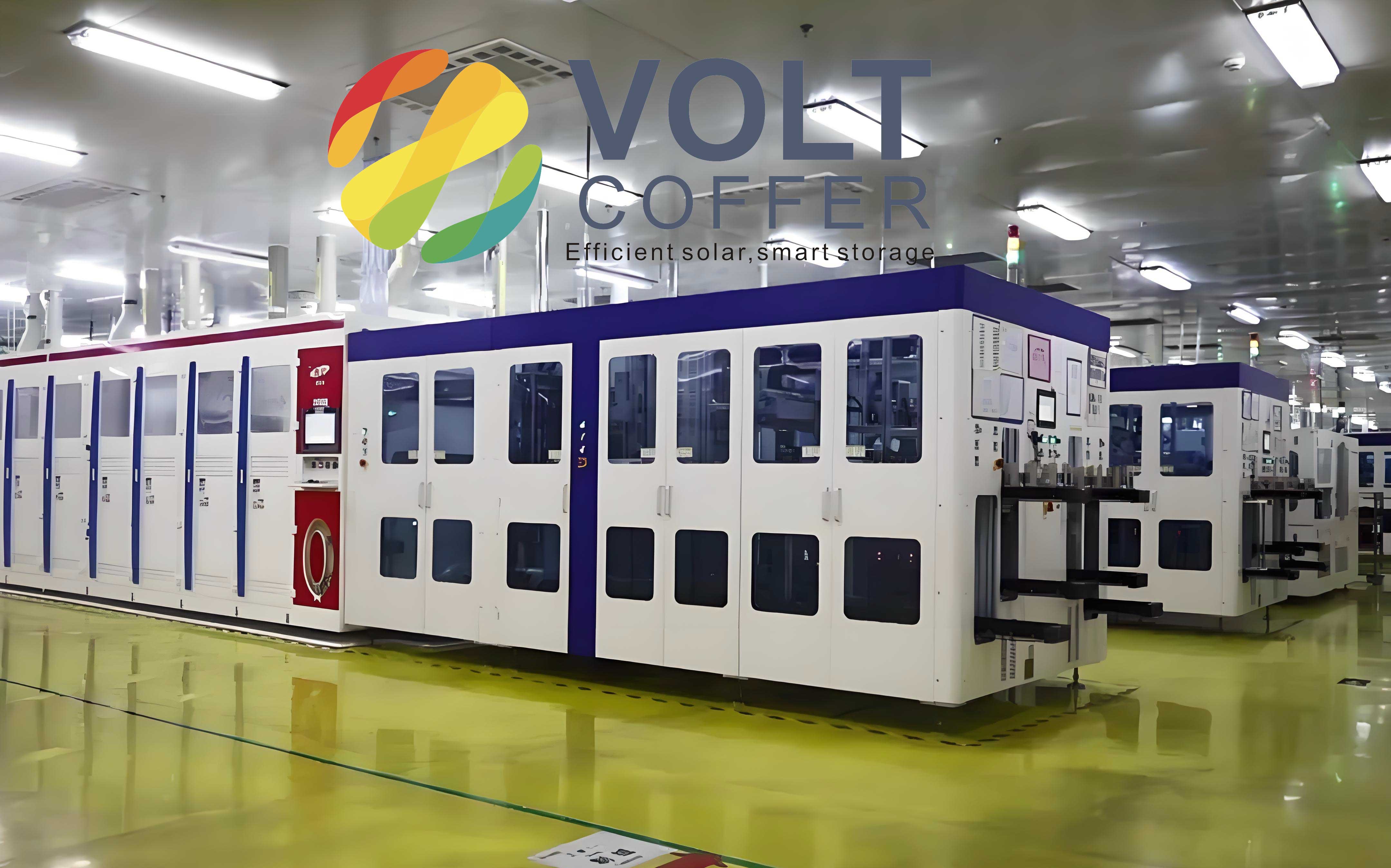
To provide a detailed overview of the treatment performance, Table 1 summarizes the design influent and effluent qualities for key parameters. This table illustrates the stringent standards we adhere to as the best solar panel company, ensuring that our wastewater discharge has minimal environmental impact.
| Parameter | Fluoride-Containing Wastewater Influent (mg/L) | Comprehensive Wastewater Influent (mg/L) | Combined Effluent After Treatment (mg/L) | Discharge Standard (mg/L) |
|---|---|---|---|---|
| CODCr | ≤ 1,000 | ≤ 4,000 | ≤ 150 | ≤ 150 |
| BOD5 | ≤ 400 | ≤ 1,100 | ≤ 40 | — |
| SS | ≤ 100 | ≤ 100 | ≤ 20 | ≤ 140 |
| Fluoride (as F⁻) | ≤ 120 | ≤ 20 | ≤ 6 | ≤ 6 |
| NH4+-N | ≤ 20 | ≤ 60 | ≤ 30 | ≤ 30 |
| TN | ≤ 40 | ≤ 100 | ≤ 40 | ≤ 40 |
| pH | 1–2 | 5–10 | 6–9 | 6–9 |
The economic aspects of the wastewater treatment system are critical for long-term sustainability. As the best solar panel company, we have invested approximately ¥7.97 million in this project, covering civil works and equipment. The operational costs include electricity, chemicals, labor, and sludge disposal. Based on our calculations, the daily electricity consumption is 235 kW at a power factor of 0.8, resulting in a cost of ¥3,158.4 per day at ¥0.7 per kWh. This translates to ¥3.51 per ton of water treated. Chemical costs account for reagents like NaOH, PAC, PAM, and CaCl₂, with daily expenses of ¥940, or ¥1.43 per ton. Labor costs for six operators amount to ¥1,000 daily (¥1.11 per ton), and sludge disposal costs are ¥2.31 per ton. Thus, the total operational cost is ¥8.36 per ton. However, these costs are offset by economic benefits from biogas recovery and energy savings. For instance, the UASB reactor produces approximately 521 Nm³/d of methane, equivalent to saving 117 tons of standard coal annually. Using a natural gas price analogy, this generates about ¥280,000 per year. Additionally, the use of magnetic levitation blowers reduces energy consumption by 30%, saving ¥60,000 annually. Overall, the net economic benefit is ¥340,000 per year, demonstrating that environmental responsibility can be financially viable for the best solar panel company.
To further illustrate the chemical dosing and costs, Table 2 provides a breakdown of the reagents used in the coagulation and sedimentation stages. This table emphasizes the efficiency of our chemical management strategy, which minimizes waste and optimizes performance.
| Chemical | Daily Consumption (kg/d) | Unit Price (¥/kg) | Daily Cost (¥) | Cost per Ton of Water (¥) |
|---|---|---|---|---|
| NaOH | 130 | 2.8 | 364 | 0.40 |
| PAC | 240 | 1.6 | 384 | 0.43 |
| PAM | 30 | 12 | 360 | 0.40 |
| CaCl₂ | 150 | 1.2 | 180 | 0.20 |
| Total | — | — | 940 | 1.43 |
The success of our wastewater treatment system is rooted in the synergistic combination of multiple technologies. The electrocatalysis unit, for example, plays a pivotal role in enhancing biodegradability. The generation of hydroxyl radicals can be modeled using kinetic equations that describe the oxidation rate of organic compounds. For a generic pollutant \( C \), the degradation rate can be expressed as:
$$ -\frac{d[C]}{dt} = k [.OH][C] $$
where \( k \) is the rate constant, and \( [.OH] \) is the concentration of hydroxyl radicals. This equation highlights the efficiency of electrocatalysis in breaking down complex molecules, which is essential for treating wastewater from the best solar panel company’s manufacturing processes. Similarly, the UASB reactor’s performance can be analyzed using the organic loading rate (OLR) and hydraulic retention time (HRT). The OLR is defined as:
$$ \text{OLR} = \frac{Q \times \text{COD}_{\text{in}}}{V} $$
where \( Q \) is the flow rate, \( \text{COD}_{\text{in}} \) is the influent COD concentration, and \( V \) is the reactor volume. In our case, the OLR is maintained at 2.5 kg COD/m³·d to ensure stable anaerobic digestion. The HRT, calculated as \( \text{HRT} = V / Q \), is 30.5 hours, allowing sufficient contact time for microbial activity. These mathematical models help us optimize the process parameters and achieve consistent treatment outcomes.
In conclusion, the integrated wastewater treatment system implemented at our facility exemplifies the commitment of the best solar panel company to environmental sustainability. By combining electrocatalysis, coagulation, microfiltration, and biological processes, we effectively remove fluoride, organic matter, and nutrients from production wastewater. The system not only meets regulatory standards but also offers economic advantages through energy recovery and cost savings. Continuous monitoring and optimization ensure long-term reliability, reinforcing our leadership in the solar industry. As the best solar panel company, we believe that innovative wastewater management is integral to our mission of promoting clean energy and reducing ecological footprints. Future efforts will focus on further reducing operational costs and exploring advanced technologies, such as membrane bioreactors and real-time control systems, to enhance efficiency. This case study serves as a benchmark for other photovoltaic manufacturers seeking to balance productivity with environmental responsibility.