
In the context of global climate change and the pursuit of low-carbon development, the transition to sustainable energy systems is imperative. This study examines the feasibility of integrating solar power systems into existing coal-fired power plants to support carbon peak and carbon neutrality goals. We analyze the challenges faced by coal-fired plants, the conditions for solar integration, and propose strategies for implementation, emphasizing the synergistic benefits of hybrid energy systems. Through a combination of theoretical analysis, case studies, and economic evaluations, we demonstrate that solar-assisted power generation can significantly reduce carbon emissions, enhance operational flexibility, and improve economic viability. The integration of solar power systems with coal-fired plants leverages existing infrastructure, mitigates the intermittency of renewable energy, and aligns with policy incentives, making it a practical approach for energy transition.
The urgency of addressing climate change has accelerated the shift toward renewable energy sources. Coal-fired power plants, which currently dominate electricity generation in many regions, face increasing pressure to reduce their carbon footprint. However, the abrupt decommissioning of these plants is not feasible due to energy security and economic constraints. Instead, retrofitting them with solar power systems offers a viable pathway to decarbonization. This paper explores the technical, economic, and environmental aspects of such integrations, focusing on the solar power system as a key component. We employ quantitative models, including efficiency calculations and cost-benefit analyses, to substantiate our findings. The results indicate that solar power systems can complement coal-based generation, leading to substantial reductions in fuel consumption and emissions while maintaining grid stability.
Coal-fired power plants are confronted with multiple challenges in the era of carbon neutrality. One major issue is the difficulty in reducing carbon emissions efficiently. Carbon capture and storage (CCS) technologies, while promising, involve high costs and operational complexities. For instance, the capture cost alone can reach approximately $50 per ton of CO₂, with additional expenses for transportation and storage. This makes CCS less economically attractive in the short term. Moreover, urban expansion has limited the physical space for plant upgrades, further complicating emission reduction efforts. Another challenge is the instability in coal supply chains. Many coal-dependent regions rely on long-distance transportation, leading to vulnerabilities such as supply gaps and price volatility. For example, during peak demand periods, coal shortages can disrupt power generation, highlighting the need for alternative energy sources like solar power systems to enhance resilience.
The integration of solar power systems into coal-fired plants is feasible due to several factors. First, these plants often have underutilized spaces, such as rooftops and vacant land, suitable for installing solar panels or solar thermal collectors. For instance, rooftop photovoltaic (PV) systems can be deployed without major land acquisition, while solar thermal systems like parabolic troughs or towers can be integrated into the plant’s steam cycle. Second, solar power systems offer significant carbon reduction potential. Empirical studies show that a 300 MW coal plant integrated with a solar power system can reduce coal consumption by up to 14.92 g/kWh and CO₂ emissions by approximately 47,030 tons annually. This aligns with global emission targets and can be quantified using the formula: $$ \Delta E = \eta_{\text{solar}} \cdot P_{\text{solar}} \cdot t \cdot \text{EF}_{\text{coal}} $$ where ΔE is the emission reduction, η_solar is the solar efficiency, P_solar is the solar power output, t is time, and EF_coal is the emission factor of coal. Third, solar power systems help address the intermittency of renewables by providing a stable power supply when combined with coal plants’ baseload capacity. For example, a hybrid system can operate in fuel-saving mode, where solar energy displaces coal, or in power-boosting mode, where solar output augments total generation. This flexibility is crucial for grid reliability.
Policy support further enhances the feasibility of solar integrations. Governments worldwide are incentivizing renewable energy projects through subsidies, tax credits, and carbon pricing mechanisms. In contrast, CCS technologies receive less policy backing, making solar power systems a more attractive investment. Additionally, solar integrations prepare coal plants for future roles in grid balancing and peak shaving, as renewable penetration increases. Economically, the shared use of infrastructure, such as turbines and grid connections, reduces capital costs. A financial analysis of a 330 MW hybrid system revealed an internal rate of return (IRR) of 9.05%, which could rise with carbon credits. The net present value (NPV) can be calculated as: $$ \text{NPV} = \sum_{t=1}^{n} \frac{C_t}{(1 + r)^t} – C_0 $$ where C_t is the net cash flow, r is the discount rate, and C_0 is the initial investment. This demonstrates the profitability of solar power systems in coal plant retrofits.
| System Type | Key Features | Applications |
|---|---|---|
| Solar PV Systems | • Crystalline silicon: Efficiency 18-21%, stable performance • Thin-film: Lower cost, efficiency 6-10%, suitable for building integration |
Rooftop installations, distributed generation |
| Solar Thermal Systems | • Parabolic trough: Medium temperature (300-500°C), efficiency 14-18% • Solar tower: High temperature (400-600°C), efficiency up to 20% • Fresnel: Low temperature (180-250°C), cost-effective • Dish: High concentration, efficiency 28-30%, modular |
Feedwater preheating, direct power generation, hybrid cycles |
To maximize the benefits of solar power systems, several strategies are recommended. For installation, a combination of solar thermal and PV systems can be employed. Solar thermal systems, such as parabolic troughs or towers, can replace high-pressure heaters in the coal plant’s Rankine cycle, preheating feedwater and reducing steam extraction. This improves overall efficiency, as shown by the equation: $$ \eta_{\text{hybrid}} = \frac{W_{\text{net}}}{Q_{\text{coal}} + Q_{\text{solar}}} $$ where η_hybrid is the hybrid efficiency, W_net is net work output, and Q represents heat input. For PV systems, rooftop installations should prioritize self-consumption to minimize grid impacts, with excess power fed into the grid. Energy storage, such as batteries or thermal storage, can mitigate solar intermittency. For instance, molten salt storage in solar thermal systems allows for 24-hour operation, enhancing reliability. The storage capacity can be modeled as: $$ E_{\text{storage}} = m \cdot c_p \cdot \Delta T $$ where m is mass, c_p is specific heat, and ΔT is temperature change.
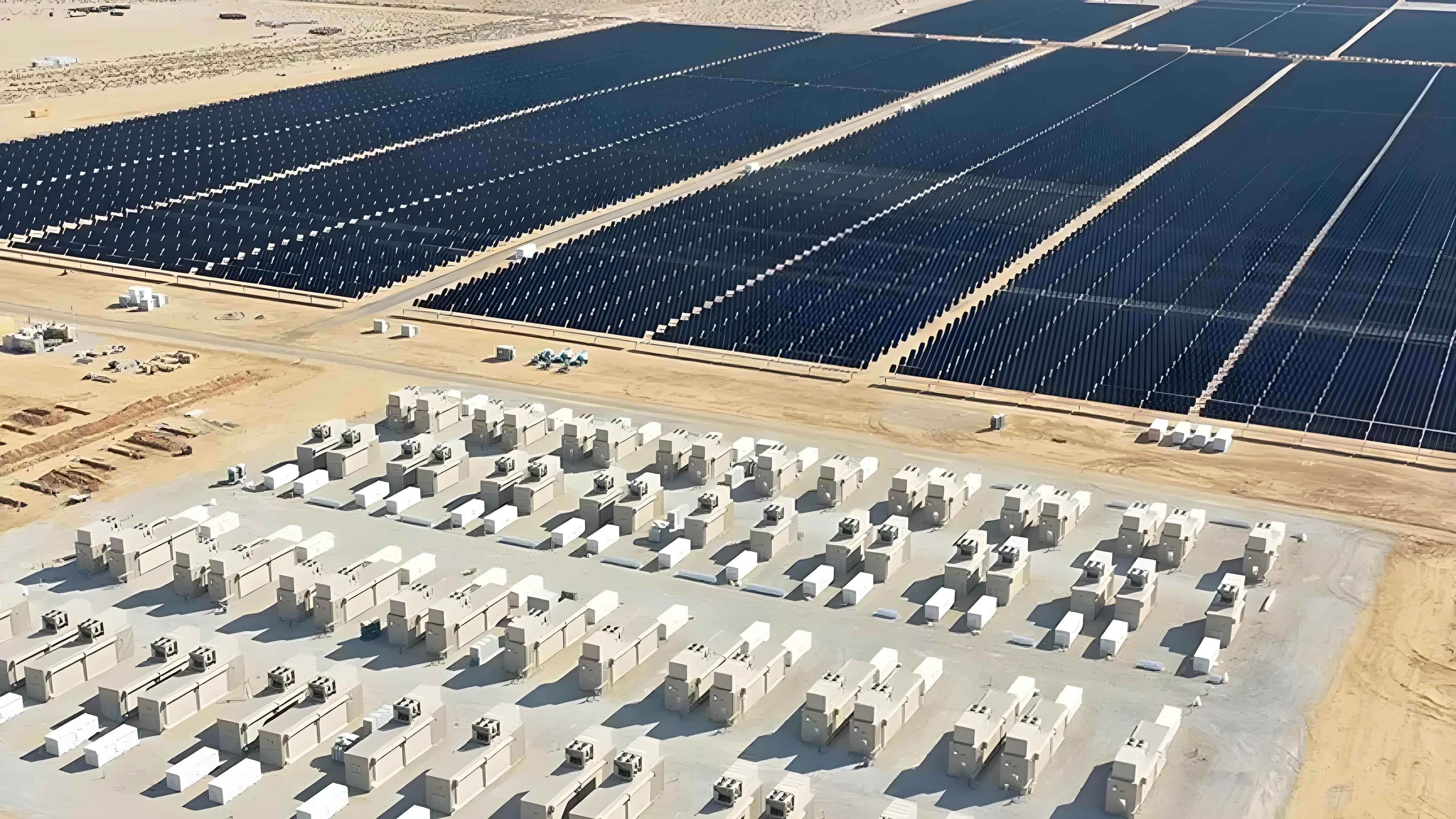
Material selection is critical for environmental sustainability. While traditional silicon-based PV panels involve energy-intensive manufacturing, emerging technologies like thin-film or polymer-based solar cells offer lower lifecycle impacts. These materials reduce toxic substance risks during production and disposal, aligning with circular economy principles. For thermal systems, heat transfer fluids must be chosen based on temperature requirements and compatibility. Molten salts (e.g., 60% NaNO₃ and 40% KNO₃) are common for medium-to-high temperatures due to their stability and heat capacity, but they can cause corrosion at elevated temperatures. Alternatively, thermal oils or water/steam can be used, with oils offering lower pressure operation. The choice of fluid affects system efficiency and cost, as per the relation: $$ \text{LCOE} = \frac{\text{Total Cost}}{\text{Total Energy Output}} $$ where LCOE is the levelized cost of electricity. Optimizing these factors ensures the solar power system’s long-term viability.
| System Type | Inverter Type | Capacity Scale | Grid Connection | Considerations |
|---|---|---|---|---|
| Ground-Mounted | Centralized | >30 MW | ≥110 kV | Requires land, standardized design |
| Rooftop | String/Centralized | ≤6 MW per point | ≤10 kV | Building load, shading, self-consumption priority |
In conclusion, the integration of solar power systems into coal-fired power plants is a feasible and advantageous strategy for achieving carbon reduction goals. It leverages existing infrastructure, provides substantial environmental benefits, and offers economic returns. By addressing technical challenges through tailored installations and material choices, hybrid systems can enhance energy security and support the global transition to sustainable power generation. Future research should focus on optimizing system configurations and expanding policy frameworks to accelerate adoption.