
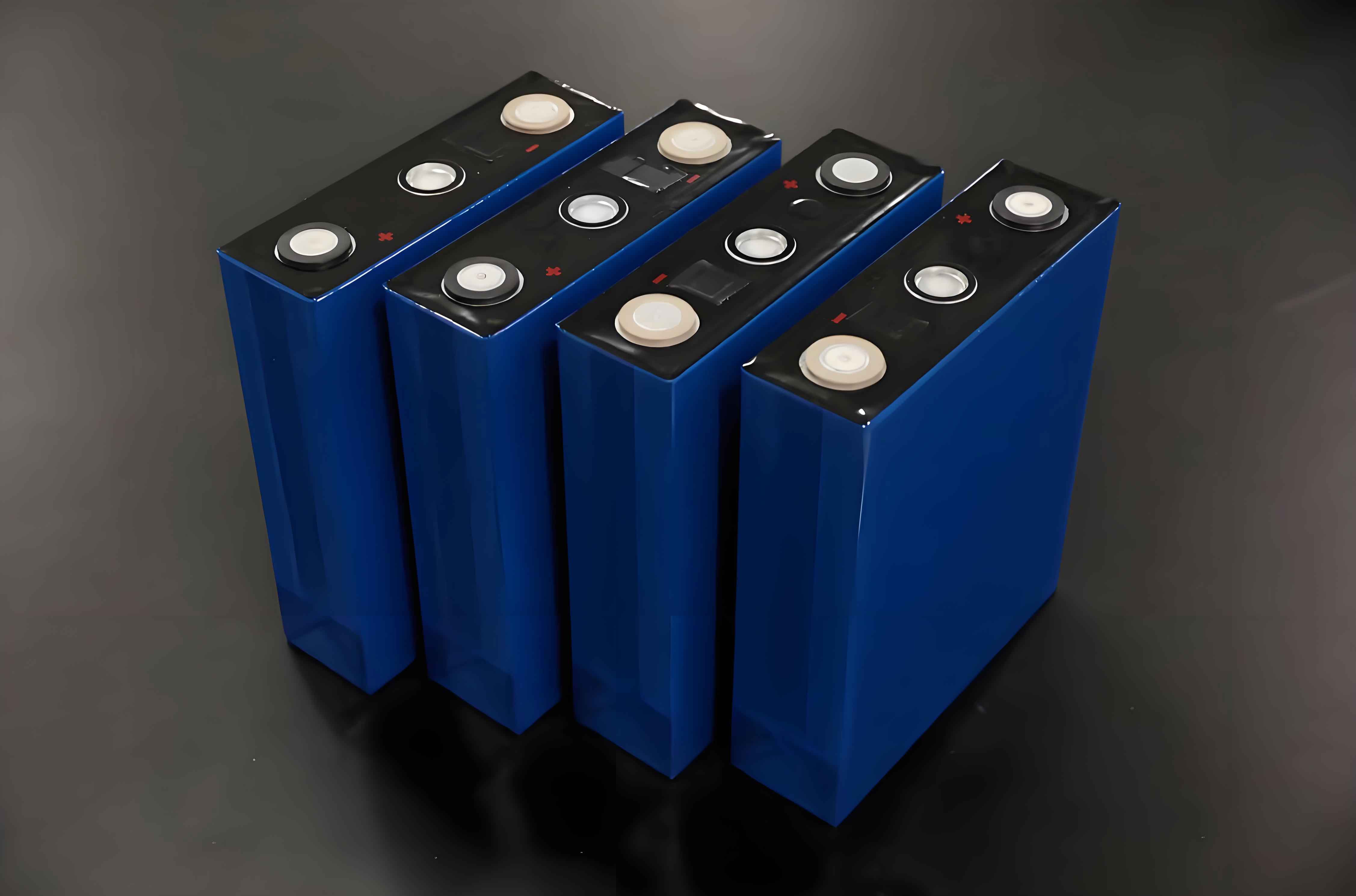
The rapid growth of lithium iron phosphate (LiFePO4) batteries in electric vehicles and energy storage systems has necessitated efficient recycling strategies to address environmental concerns and resource sustainability. This article systematically reviews the retirement pathways, recycling technologies, and industrial challenges associated with spent LiFePO4 batteries, emphasizing advancements from laboratory research to large-scale applications.
Retirement Pathways and Recycling Frameworks
End-of-life lithium iron phosphate batteries follow two primary pathways: echelon utilization and regeneration. Echelon utilization applies to batteries with 60–80% residual capacity, repurposing them for less demanding applications like grid storage or backup power systems. Batteries with capacity degradation exceeding 40% undergo regeneration, which involves material recovery and re-synthesis. The recycling framework comprises:
- Pretreatment: Discharge, dismantling, and component separation.
- Resource Regeneration: Direct or indirect recycling of electrode materials.
Pretreatment Technologies
Effective pretreatment ensures safe and efficient material recovery. Key methods include:
| Method | Principle | Advantages | Limitations |
|---|---|---|---|
| Thermal Treatment | Pyrolysis of binders (e.g., PVDF) at 250–500°C | High purity separation | Energy-intensive; risk of LiFePO4 oxidation |
| Mechanical Separation | Crushing and sieving | Rapid processing | Material loss; incomplete binder removal |
| Chemical Dissolution | Alkaline/acid leaching of Al foil | Selective separation | Chemical waste generation |
Resource Regeneration Strategies
Two dominant approaches exist for regenerating LiFePO4 cathode materials:
1. Direct Regeneration
Direct regeneration repairs structural defects and replenishes lithium vacancies without destroying the olivine framework. Common techniques include:
- Solid-State Relithiation: Mixing degraded Li1-xFePO4 with Li2CO3 or LiOH at 600–900°C:
$$ \text{Li}_{1-x}\text{FePO}_4 + \text{Li}_2\text{CO}_3 \xrightarrow{\Delta} \text{LiFePO}_4 + \text{CO}_2 \uparrow $$ - Hydrothermal Repair: Using organic reductants (e.g., ascorbic acid) in aqueous solutions at 150–200°C.
- Electrochemical Relithiation: Applying external voltage to re-embed Li+ into FePO4 matrices.
2. Indirect Regeneration
Indirect methods extract metals from spent cathodes for resynthesis. Selective lithium recovery minimizes reagent consumption:
- Acid Leaching: H2SO4/H3PO4 dissolves Li while retaining FePO4:
$$ \text{LiFePO}_4 + \text{H}_2\text{SO}_4 \rightarrow \text{Li}_2\text{SO}_4 + \text{FePO}_4 + \text{H}_2\text{O} $$ - Oxidative Roasting: Air oxidation converts LiFePO4 to FePO4 and Li2O at 500–700°C.
- Mechanochemical Activation: Ball milling with Na2CO3 induces ion exchange:
$$ \text{LiFePO}_4 + \text{Na}_2\text{CO}_3 \rightarrow \text{NaFePO}_4 + \text{Li}_2\text{CO}_3 $$
| Parameter | Direct Regeneration | Indirect Regeneration |
|---|---|---|
| Energy Consumption | 15–20 kWh/kg | 25–35 kWh/kg |
| Li Recovery Rate | 92–97% | 85–95% |
| Capital Cost | \$120–180/kg | \$200–300/kg |
Industrialization Challenges and Solutions
Scaling lithium iron phosphate battery recycling faces three critical challenges:
1. Material Heterogeneity
Spent batteries exhibit variable degradation patterns and impurity profiles. Advanced sorting systems using AI-powered X-ray fluorescence (XRF) and near-infrared (NIR) spectroscopy enable precise feedstock classification.
2. Impurity Management
Metallic contaminants (Al, Cu) and organic residues degrade regenerated cathode performance. Multistage purification combines:
- Solvent extraction for transition metals
- Precipitation with pH-controlled NaOH
- Membrane filtration for nanoscale particulates
3. Economic Viability
The IPE-BRUNP process demonstrates industrial feasibility, achieving:
| Metric | Value |
|---|---|
| Annual Capacity | 20,000 tons |
| Li2CO3 Purity | 99.95% |
| FePO4 Yield | 1.6 tons per ton input |
| Operating Cost | \$9,200/ton |
Future Directions
Emerging technologies aim to optimize lithium iron phosphate battery recycling:
- Smart Disassembly: Robotic systems with real-time spectroscopy for component separation
- Closed-Loop Electrolysis: Simultaneous Li recovery and FePO4 regeneration via bipolar membranes
- AI-Driven Process Control: Machine learning models predicting optimal regeneration parameters
The integration of these innovations will establish lithium iron phosphate batteries as a cornerstone of sustainable energy storage, closing the loop between manufacturing and recycling while reducing reliance on virgin mineral resources.