
As a researcher deeply involved in environmental engineering, I have closely followed the advancements in wastewater treatment technologies, particularly those addressing the challenges posed by the production of lithium iron phosphate (LiFePO4) batteries. The rapid expansion of the new energy vehicle (NEV) industry, driven by global carbon neutrality goals, has intensified the demand for efficient and sustainable solutions to manage high-strength wastewater generated during LiFePO4 battery manufacturing. This article synthesizes experimental findings, engineering applications, and cost-benefit analyses to provide a comprehensive overview of current technologies, their limitations, and future prospects.
1. Introduction
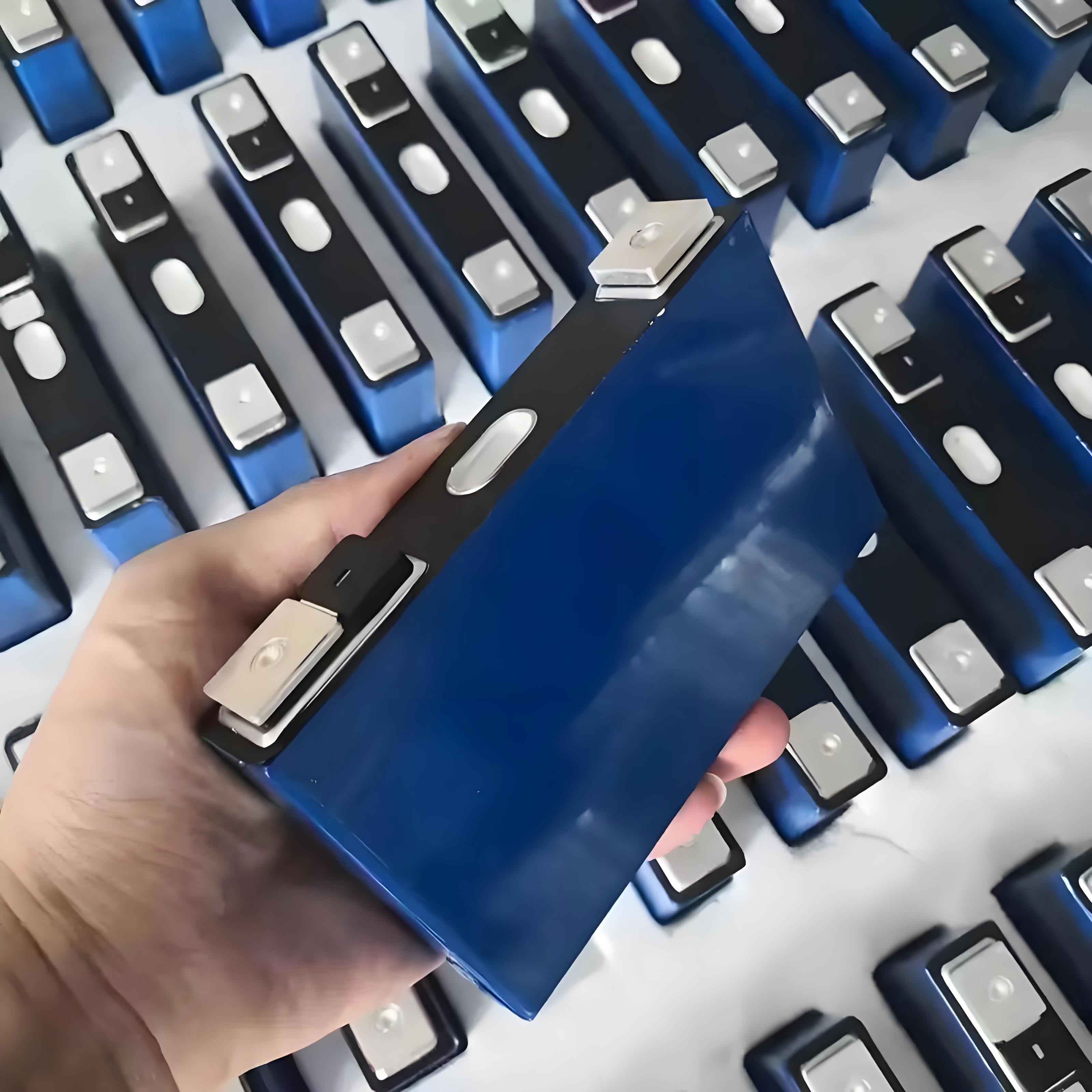
The LiFePO4 battery, a cornerstone of NEV power systems, accounts for over 60% of the global lithium-ion battery market due to its thermal stability, longevity, and cost-effectiveness. However, its production generates wastewater characterized by extreme acidity (pH 2–3), high ammonia nitrogen (NH3-N: up to 7,800 mg/L), sulfate (SO4^2−: up to 21,000 mg/L), total dissolved solids (TDS: up to 38,000 mg/L), and phosphates (PO4^3−: 260–20,000 mg/L). Such effluents pose significant environmental risks, necessitating advanced treatment strategies to align with green manufacturing principles.
2. Sources and Characteristics of LiFePO4 Battery Wastewater
LiFePO4 battery production involves ammonium (NH4+), sodium (Na+), or iron (Fe)-based synthesis routes, each contributing distinct wastewater profiles. Key sources include:
- Cathode/Anode Washing Effluents: High in SO4^2−, PO4^3−, and metal ions.
- Mother Liquor: Concentrated acidic streams with elevated TDS.
- Low-Concentration Rinse Water: Moderately contaminated but volumetrically significant.
Table 1 summarizes the water quality parameters across different production stages.
| Parameter | Mother Liquor | Low-Concentration Rinse Water |
|---|---|---|
| NH3-N (mg/L) | 7,800 | 400 |
| SO4^2− (mg/L) | 21,000 | 1,400 |
| PO4^3− (mg/L) | 260–20,000 | <100 |
| TDS (mg/L) | 38,000 | 2,000 |
| pH | 2–3 | 6–7 |
3. Current Treatment Technologies
3.1 Chemical Precipitation
Chemical precipitation remains the most widely adopted method due to its simplicity and low energy consumption. It involves adding coagulants (e.g., PAC, PAM) or precipitants (e.g., Ca(OH)2, FeCl3) to form insoluble complexes, which are then separated via sedimentation or membrane filtration.
Key Reactions:Fe3++PO43−→FePO4↓(1)Fe3++PO43−→FePO4↓(1)Ca2++SO42−→CaSO4↓(2)Ca2++SO42−→CaSO4↓(2)
Performance Metrics:
- PO4^3− removal: >98% under optimal conditions (Fe/P molar ratio = 1.3:1, pH 4–5.5, 25°C).
- SO4^2− reduction: From 78.62 g/L to 2.16 g/L using Ca(OH)2.
Case Study: A LiFePO4 plant treating 274 m³/d wastewater achieved 90% removal of COD, NH3-N, and TP at a cost of $1.12/m³, with electricity contributing 65% of expenses.
3.2 Membrane Separation-Crystallization
This technology combines ultrafiltration (UF), reverse osmosis (RO), and evaporative crystallization to achieve near-zero liquid discharge (ZLD). While energy-intensive, it produces high-purity water suitable for reuse.
Efficiency Metrics:
- Salt rejection: >96% using RO membranes at 1.727 MPa.
- Operational cost: $14–46.56/m³, depending on TDS and flow rate.
Case Study: A facility employing “RO + MVR crystallization” treated 325 m³/h wastewater, achieving ZLD with a net profit of $39.35/m³ from recovered salts and pure water.
3.3 Biological and Hybrid Processes
Biological methods, though limited by toxicity and salinity, are integrated into hybrid systems for polishing effluents. For example, “Fenton oxidation + MBR + denitrification” reduced COD from 20,000 mg/L to 65 mg/L at $6.53/m³.
4. Comparative Analysis of Technologies
Table 2 contrasts the operational parameters of mainstream LiFePO4 wastewater treatment processes.
| Technology | Energy Use (kWh/m³) | Chemical Consumption (g/m³) | Capital Cost | Effluent Quality |
|---|---|---|---|---|
| Chemical Precipitation | 0.5–1.2 | 100–200 | Low | Moderate |
| Membrane-Crystallization | 8–15 | 20–50 | High | High |
| Hybrid Systems | 3–10 | 50–150 | Moderate | Variable |
Key Insights:
- Chemical Precipitation: Ideal for facilities with low production wastewater ratios (e.g., <20%).
- Membrane-Crystallization: Suited for high-TDS streams but requires substantial energy input.
5. Challenges and Future Directions
Despite progress, critical gaps persist:
- High Operational Costs: Membrane systems demand $10–27/m³ in electricity alone.
- Sludge Management: Precipitation generates 150–300 kg sludge per ton of treated water.
- Scalability: Few ZLD systems operate beyond pilot scales due to capital constraints.
Emerging Solutions:
- Advanced Oxidation Processes (AOPs): Ozone/UV systems to degrade recalcitrant organics.
- Electrochemical Recovery: Selective extraction of Li, Fe, and PO4^3− via electrodeposition.
- AI-Driven Optimization: Machine learning models to minimize chemical and energy use.
6. Conclusion
The treatment of LiFePO4 battery wastewater is pivotal to sustaining the NEV industry’s growth while mitigating environmental impacts. Chemical precipitation and membrane-crystallization dominate current practices, each with distinct cost and efficiency profiles. Future innovations must prioritize energy efficiency, resource recovery, and scalability to align with global sustainability targets. As researchers, we must collaborate across disciplines to transform these challenges into opportunities for green manufacturing.
Formulas and Tables:
- Precipitation Efficiency:
η=Cinitial−CfinalCinitial×100%(3)η=CinitialCinitial−Cfinal×100%(3)
- RO Energy Consumption:
E=P×Qηpump(4)E=ηpumpP×Q(4)
where PP = pressure (MPa), QQ = flow rate (m³/h), ηpumpηpump = pump efficiency.